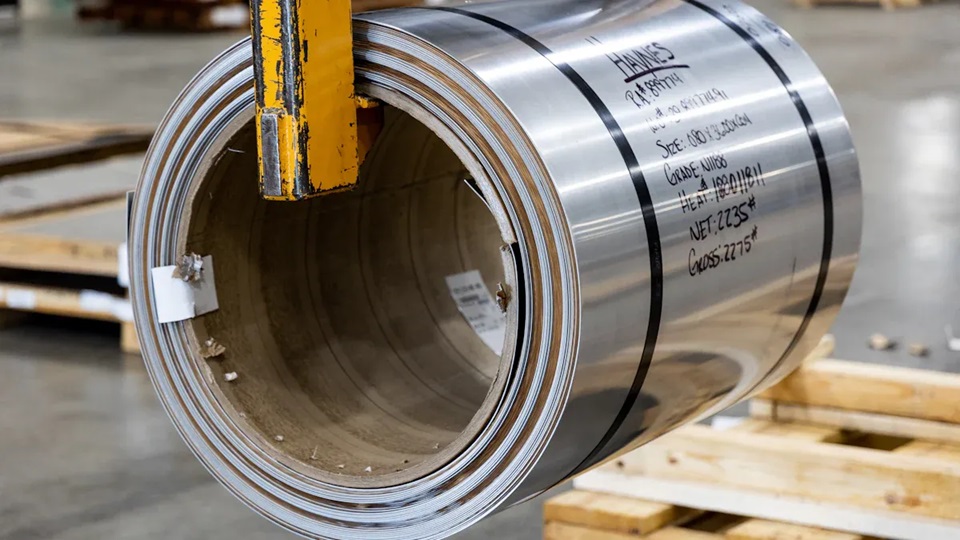
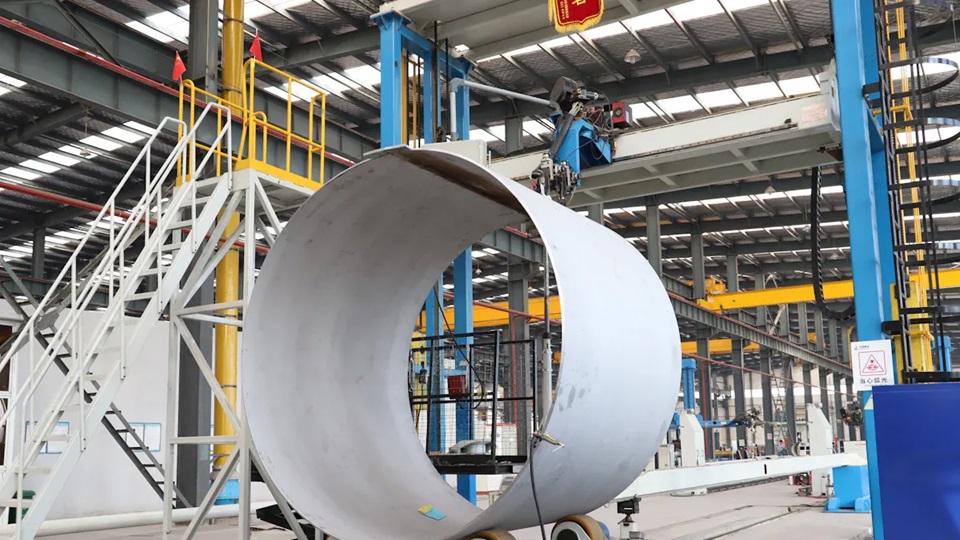
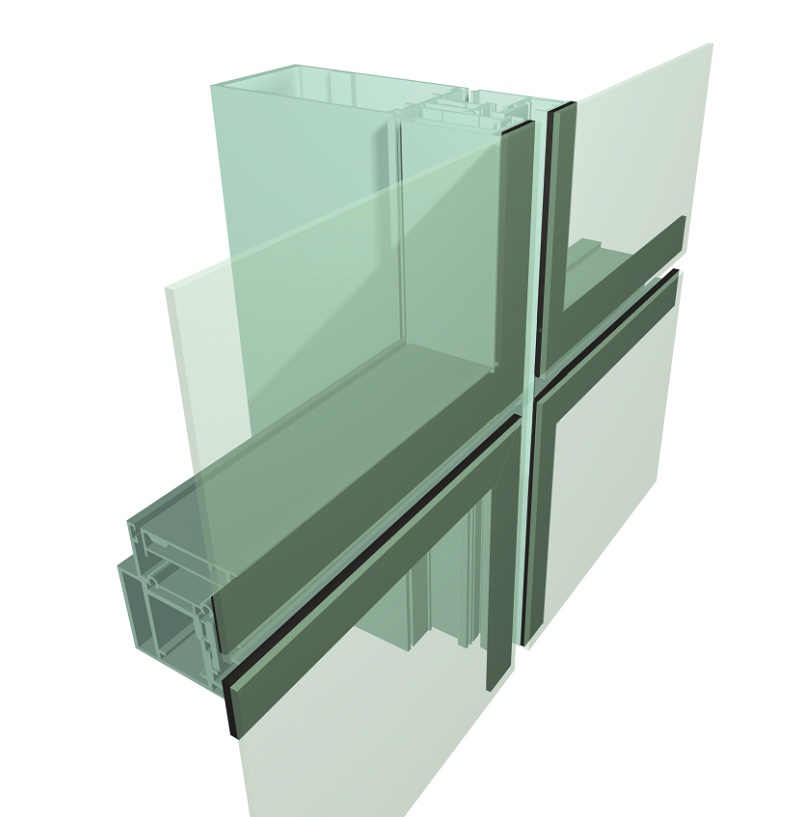
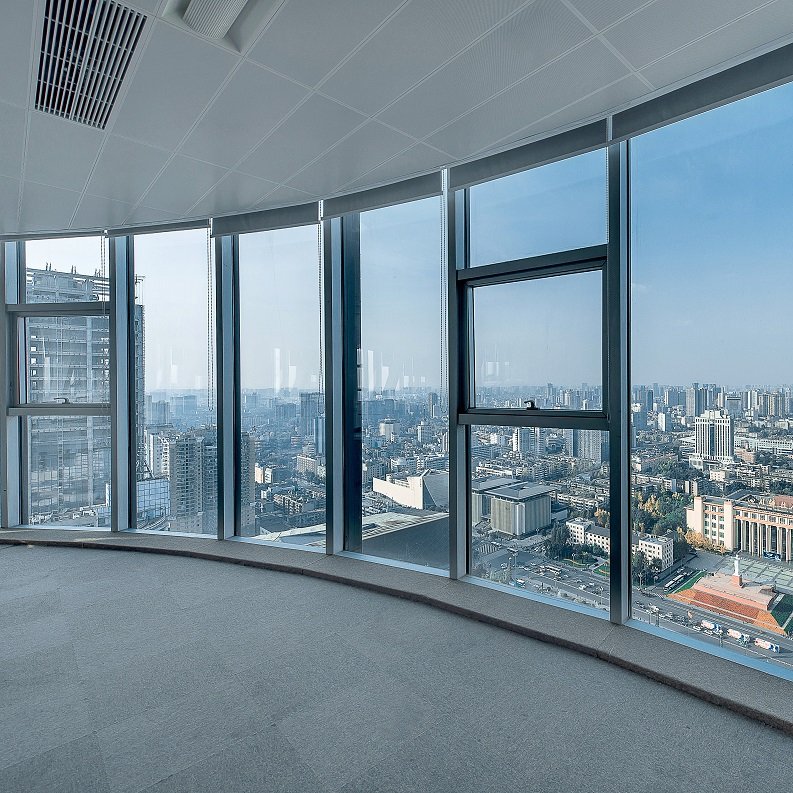
How to Choose the Right Stainless Steel Material for Industrial Projects

Introduction

Selecting the correct stainless steel material is one of the most critical decisions in industrial engineering, construction, and manufacturing. The performance, durability, and overall lifecycle cost of a project are directly influenced by material selection. However, with a wide range of stainless steel grades available, many buyers and engineers struggle to identify the most suitable option.

This guide provides a structured approach to choosing stainless steel materials based on application requirements, environmental conditions, and cost-performance balance.


Understanding Stainless Steel Categories

Stainless steel is not a single material but a broad family categorized into several types:


1. Austenitic Stainless Steel

This is the most widely used category, including grades such as 304 and 316. These materials offer excellent corrosion resistance, high ductility, and good weldability. They are commonly used in food processing, chemical industries, and architectural applications.


2. Ferritic Stainless Steel

Ferritic steels provide good resistance to stress corrosion cracking and are more cost-effective. However, they have lower strength and weldability compared to austenitic grades.


3. Martensitic Stainless Steel

Known for high strength and hardness, these are used in applications requiring wear resistance, such as mechanical components.


4. Duplex Stainless Steel

A combination of austenitic and ferritic structures, duplex steels offer higher strength and superior corrosion resistance, making them ideal for offshore and chemical environments.


Key Factors to Consider

1. Corrosion Resistance

The environment determines the required corrosion resistance level. For example:

  • Coastal or marine environments require materials like 316 or duplex stainless steel
  • Chemical plants may need higher alloy content for acid resistance
  • Indoor applications may only require 304


2. Mechanical Properties

Different projects demand varying strength levels:

  • Structural frameworks need high tensile strength
  • Pressure pipelines require both strength and ductility
  • Machinery components may prioritize hardness


3. Temperature Performance

High-temperature environments require materials with excellent heat resistance. Certain stainless steels maintain structural integrity at temperatures above 800°C.


4. Fabrication and Welding

Ease of fabrication impacts production efficiency:

  • Austenitic stainless steel offers superior weldability
  • Duplex materials require controlled welding procedures


5. Cost Efficiency

Material cost must be balanced with lifecycle performance. Cheaper materials may result in higher maintenance or replacement costs.


Common Mistakes in Material Selection

Many buyers focus only on price or general specifications, leading to issues such as:

  • Premature corrosion failure
  • Structural deformation under load
  • Increased maintenance costs

A data-driven approach considering application-specific requirements can significantly reduce these risks.


Why Choose Shengtao Metal

Choosing a reliable supplier ensures:

  • Accurate material certification (ASTM, EN, etc.)
  • Stable quality across batches
  • Technical support for selection and application

Manufacturers with strong production capabilities and quality control systems can help reduce project risks and improve long-term performance.


Conclusion

Selecting the right stainless steel material is not just a technical decision—it is a strategic investment. By carefully evaluating environmental conditions, mechanical requirements, and cost factors, businesses can ensure optimal performance and durability.

Partnering with an experienced supplier further enhances the reliability of material selection, ensuring that projects are completed efficiently and successfully.


Contact Shengtao Metal for Steel Product Solutions

If you are looking for reliable steel and metal product solutions, feel free to send us your inquiry.

Simply provide your specifications such as material grade, dimensions, quantity or application, and our team will respond quickly with professional support and a competitive quotation.

Email: stsalesman4@stmetal001.com

How to Choose the Right Steel Pipe for Oil and Gas Projects

Introduction

Oil and gas projects are among the most demanding industrial environments in the world. From upstream exploration to downstream refining and transportation, pipelines must operate under extreme conditions, including high pressure, temperature fluctuations, and corrosive environments. Choosing the right steel pipe is therefore a critical decision that directly impacts safety, operational efficiency, and long-term maintenance costs.


Unlike general construction applications, oil and gas pipelines require precise material selection based on multiple technical factors. A poor choice can lead to corrosion failure, leakage, or even catastrophic accidents. On the other hand, selecting the correct pipe type and material can significantly improve system reliability and reduce lifecycle costs.


Key Factors in Steel Pipe Selection

1. Pressure and Strength Requirements

Oil and gas pipelines often operate under high internal pressure. For example, transmission pipelines may exceed 10–15 MPa depending on the system. In such cases, seamless steel pipes are generally preferred due to their uniform structure and higher strength.

Welded pipes, while cost-effective, are more suitable for low- to medium-pressure applications. For critical high-pressure systems, seamless pipes provide better safety margins.


2. Corrosion Resistance

Corrosion is one of the biggest challenges in oil and gas environments. Pipelines may be exposed to moisture, chemicals, hydrogen sulfide (H₂S), or saline conditions.

To address this, engineers often use:

  • Anti-corrosion coatings (3LPE, epoxy)
  • Galvanized pipes
  • Stainless steel pipes (for highly corrosive environments)

In offshore or chemical-rich environments, stainless steel or specially coated carbon steel pipes are often required.


3. Material Standards and Specifications

Compliance with international standards is essential. The most commonly used standard in oil and gas is:

  • API 5L (pipeline steel)

This standard defines requirements for mechanical properties, chemical composition, and testing.

Other standards such as ASTM A106 are also used for high-temperature applications within processing facilities.


4. Pipe Type: Seamless vs Welded

  • Seamless pipes → High pressure, critical systems
  • Welded pipes → Large diameter, lower cost

For long-distance transmission pipelines, welded pipes (LSAW/SSAW) are often used due to their large diameter capability, while seamless pipes are used in high-stress sections.


5. Cost vs Performance Balance

Cost is always a key factor, especially in large-scale projects. However, focusing only on initial cost can be misleading.

For example:

  • Seamless pipe cost: higher upfront
  • Maintenance cost: lower
  • Lifespan: longer

A lifecycle cost approach is more effective than simply comparing purchase price.


Typical Steel Pipe Choices in Oil & Gas

Application Recommended Pipe
Transmission pipeline API 5L welded pipe
High-pressure system Seamless pipe
Corrosive environment Stainless / coated pipe
Refinery systems ASTM A106 pipe


Common Mistakes to Avoid

  • Choosing low-cost pipes without considering corrosion
  • Ignoring pressure ratings
  • Using incorrect standards
  • Overlooking supplier quality


Why Supplier Selection Matters

Even with the correct specifications, supplier quality plays a crucial role. A reliable supplier ensures:

  • Consistent material quality
  • Accurate dimensions
  • On-time delivery


Why Choose Shengtao Metal

Shengtao provides:

  • API 5L pipeline steel pipes
  • Seamless and welded options
  • Custom coating solutions
  • Export experience for global oil & gas projects


Conclusion

Selecting the right steel pipe for oil and gas projects requires a balance between technical requirements, environmental conditions, and cost considerations. By understanding these factors, buyers can ensure safer and more efficient pipeline systems.


Contact Shengtao Metal for Steel Product Solutions

If you are looking for reliable steel and metal product solutions, feel free to send us your inquiry.

Simply provide your specifications such as material grade, dimensions, quantity or application, and our team will respond quickly with professional support and a competitive quotation.

Email: stsalesman4@stmetal001.com

Martensitic Stainless Steel Pipes Properties and Industrial Applications

Introduction

Martensitic stainless steel pipes are known for their high strength, hardness, and moderate corrosion resistance. Unlike austenitic stainless steels, martensitic grades can be heat treated to enhance mechanical properties, making them ideal for industrial piping, tooling, and energy applications.

The ASTM A182 and A213 standards define common martensitic grades, including 410, 420, and 431, with tensile strengths ranging from 600 to 900 MPa.


Material Properties

  • Chromium content: 12–18%
  • Carbon content: 0.08–0.15% for standard grades, up to 0.25% for high-hardness applications
  • Mechanical properties: Yield strength 450–600 MPa, tensile strength 600–900 MPa
  • Heat treatment: Quenching and tempering allow fine-tuning of hardness and toughness


Industrial Applications

Tooling and Dies:

  • Martensitic pipes used for high-pressure hydraulic systems and industrial presses

Example: European press manufacturer adopted 420 stainless steel tubes for hydraulic piping, improving lifespan by 20%

Energy Sector:

  • Steam and condensate piping in power plants benefits from high-strength martensitic steel

Case: Southeast Asia thermal plant replaced carbon steel with 431 grade pipes, reducing maintenance downtime

Manufacturing Industry:

  • Wear-resistant pipes and shafts in machinery
  • Martensitic steel’s hardness ensures reduced wear in high-friction environments


Conclusion

Martensitic stainless steel pipes provide a balance of strength, hardness, and corrosion resistance, ideal for industrial and energy applications. Understanding grades, heat treatment, and mechanical properties ensures optimal performance.


Contact Shengtao Metal for Steel Product Solutions

If you are looking for reliable steel and metal product solutions, feel free to send us your inquiry.

Simply provide your specifications such as material grade, dimensions, quantity or application, and our team will respond quickly with professional support and a competitive quotation.

Email: stsalesman4@stmetal001.com


Seamless vs Welded Steel Pipes Key Differences and Industrial Applications

Introduction

Steel pipes are generally divided into two main types: seamless pipes and welded pipes.

Understanding their differences is essential for selecting the right product for industrial applications.


What Is a Seamless Steel Pipe?

Seamless pipes are manufactured without welding seams, making them stronger and more reliable under pressure.

Advantages:

  • High pressure resistance
  • Uniform structure
  • Better mechanical properties

Applications:

  • Oil and gas
  • Boilers
  • High-pressure systems


What Is a Welded Steel Pipe?

Welded pipes are made by rolling steel plates and welding the seam.

Advantages:

  • Lower cost
  • Large diameter availability
  • Efficient production

Applications:

  • Water pipelines
  • Construction
  • Low-pressure systems


Key Differences

1. Manufacturing Process

Seamless = no weld

Welded = welded seam


2. Strength

Seamless pipes are stronger


3. Cost

Welded pipes are cheaper


4. Application

High pressure → seamless

Low pressure → welded


How to Choose?

High pressure → seamless

Budget projects → welded

Large diameter → welded


Why Choose Shengtao Metal?

At Shengtao Metal, we provide a full range of:

  • Seamless pipes (ASTM, API)
  • ERW / LSAW / SSAW welded pipes
  • Custom solutions for industrial applications

With strict quality control and global export experience, we help clients choose the most cost-effective and reliable materials.


Conclusion

Both seamless steel pipes and welded steel pipes have their advantages. The right choice depends on your specific application, budget, and environmental conditions.

If you are unsure which material suits your project, consulting with a professional supplier can help optimize performance and cost.


Contact Shengtao Metal for Steel Product Solutions

If you are looking for reliable steel and metal product solutions, feel free to send us your inquiry.

Simply provide your specifications such as material grade, dimensions, quantity or application, and our team will respond quickly with professional support and a competitive quotation.

Email: stsalesman4@stmetal001.com

Stainless Steel Pipe vs Carbon Steel Pipe Which One Should You Choose?

Introduction

When selecting materials for industrial piping systems, one of the most common questions buyers face is: stainless steel pipe or carbon steel pipe?

Both materials are widely used across industries such as oil & gas, construction, chemical processing, and manufacturing. However, they differ significantly in terms of corrosion resistance, strength, cost, and application scenarios.

In this guide, we’ll break down the key differences to help you choose the right material for your project.


What Is Stainless Steel Pipe?

Stainless steel pipes are made from alloy steel containing at least 10.5% chromium, which provides excellent corrosion resistance.

Common grades include:

  • 304 stainless steel pipe
  • 316 stainless steel pipe

Key Advantages:

  • Excellent corrosion resistance
  • Long service life
  • High temperature resistance
  • Low maintenance

Typical Applications:

  • Chemical processing plants
  • Food and beverage industry
  • Marine environments
  • Pharmaceutical equipment


What Is Carbon Steel Pipe?

Carbon steel pipes are primarily composed of iron and carbon, with higher strength and lower cost compared to stainless steel.

Common standards include:

  • ASTM A106 seamless pipe
  • ASTM A53 pipe
  • API 5L pipeline steel

Key Advantages:

  • High strength and durability
  • Cost-effective for large projects
  • Easy to manufacture and weld

Typical Applications:

  • Oil and gas pipelines
  • Structural construction
  • Power plants
  • Industrial transportation systems


Key Differences Between Stainless Steel and Carbon Steel Pipes

1. Corrosion Resistance

Stainless steel pipes offer superior corrosion resistance due to chromium content, making them ideal for harsh environments.

Carbon steel pipes, on the other hand, are prone to rust and usually require coating or galvanization.


2. Strength and Durability

Carbon steel pipes generally have higher tensile strength, especially in high-pressure applications.

However, stainless steel performs better in environments with chemical exposure or moisture.


3. Cost Comparison

Carbon steel pipes: lower initial cost

Stainless steel pipes: higher upfront cost but lower maintenance

For long-term projects, stainless steel may be more cost-effective.


4. Temperature Resistance

Stainless steel performs better under extreme temperatures, especially in corrosive environments.

Carbon steel is suitable for high-pressure but less corrosive conditions.


5. Application Suitability

Application Recommended Material
Oil & Gas Pipeline Carbon Steel
Chemical Industry Stainless Steel
Marine Environment Stainless Steel
Construction Carbon Steel


How to Choose the Right Pipe?

When selecting between stainless steel and carbon steel pipes, consider:

  • Environmental conditions
  • Budget constraints
  • Required lifespan
  • Pressure and temperature requirements


Why Choose Shengtao Metal?

At Shengtao Metal, we provide a full range of:

  • Stainless steel pipes (304, 316, duplex)
  • Carbon steel pipes (API, ASTM standards)
  • Custom solutions for industrial applications

With strict quality control and global export experience, we help clients choose the most cost-effective and reliable materials.


Conclusion

Both stainless steel pipes and carbon steel pipes have their advantages. The right choice depends on your specific application, budget, and environmental conditions.

If you are unsure which material suits your project, consulting with a professional supplier can help optimize performance and cost.


Contact Shengtao Metal for Steel Product Solutions

If you are looking for reliable steel and metal product solutions, feel free to send us your inquiry.

Simply provide your specifications such as material grade, dimensions, quantity or application, and our team will respond quickly with professional support and a competitive quotation.

Email: stsalesman4@stmetal001.com

Understanding Corrosion-Resistant Austenitic Stainless Steel Pipes

Introduction

Corrosion-resistant austenitic stainless steel pipes are widely used in industries such as chemical processing, oil & gas, water treatment, and food manufacturing. They combine excellent corrosion resistance, ductility, and weldability, making them indispensable in harsh environments.

Global steel research shows 304/L and 316/L grades dominate the market due to their superior chromium-nickel-molybdenum compositions, offering resistance to pitting, crevice corrosion, and stress corrosion cracking.


Material Properties

  • Chromium content: 16–18% (304/L)
  • Nickel content: 8–10% (304/L), up to 14% in 316/L
  • Molybdenum: 2–3% in 316/L, improving chloride resistance
  • Mechanical strength: Yield strength 215–290 MPa, tensile strength 505–720 MPa

These pipes are suitable for high-temperature and high-pressure systems, meeting ASTM A312, A213, and EN 10216-5 standards.


Industrial Applications

Chemical Processing:

  • Pipes handle acids, alkalis, and corrosive liquids

Example: A Southeast Asian chemical plant used 316/L pipes in heat exchangers, extending maintenance cycles by 30%

Water Treatment:

  • Resistant to chlorinated water and descaling agents

Case: Municipal water system pipelines replaced carbon steel with 304/L, reducing corrosion incidents

Food & Beverage:

  • Hygienic design suitable for pasteurization and clean-in-place systems

Example: Brewery installed 304/L stainless steel piping, achieving compliance with food safety standards


Conclusion

Austenitic stainless steel pipes are essential for industries demanding long-term corrosion resistance and mechanical reliability. Selecting the correct grade, wall thickness, and finish ensures operational safety and cost efficiency.


Contact Shengtao Metal for Steel Product Solutions

If you are looking for reliable steel and metal product solutions, feel free to send us your inquiry.

Simply provide your specifications such as material grade, dimensions, quantity or application, and our team will respond quickly with professional support and a competitive quotation.

Email: stsalesman4@stmetal001.com


What Is ASTM A106 Seamless Steel Pipe? Grades, Properties & Uses

Introduction

In modern industrial systems, selecting the right piping material is essential to ensure operational safety, efficiency, and long-term reliability. Among the many types of steel pipes available on the market, ASTM A106 seamless steel pipe has become one of the most widely used solutions for high-temperature and high-pressure applications. It plays a critical role in industries such as oil and gas, power generation, petrochemical processing, and heavy manufacturing.


For procurement managers, engineers, and project contractors, understanding ASTM A106 pipes is not just about knowing a specification—it is about making informed decisions that directly affect project performance and cost efficiency. From material grades to mechanical properties and real-world applications, ASTM A106 pipes offer a combination of strength, durability, and adaptability that makes them indispensable in demanding industrial environments.


This comprehensive guide will explore everything you need to know about ASTM A106 seamless steel pipes, including their grades, properties, manufacturing process, applications, and how to choose the right supplier for your project.


What Is ASTM A106 Seamless Steel Pipe?

ASTM A106 refers to a standard specification developed by ASTM International for seamless carbon steel pipes intended for high-temperature service. Unlike welded pipes, seamless pipes are manufactured without a welded seam, resulting in a more uniform structure and enhanced mechanical strength.


The seamless manufacturing process typically involves heating solid steel billets and piercing them to create a hollow tube. This process ensures that the pipe has consistent wall thickness and superior structural integrity, making it ideal for high-pressure systems.


ASTM A106 pipes are specifically designed to perform under extreme conditions, including elevated temperatures, high pressure, and harsh operating environments. Because of these characteristics, they are widely used in critical systems where failure is not an option.


Grades of ASTM A106 Pipes

ASTM A106 includes three primary grades: Grade A, Grade B, and Grade C. Each grade offers different levels of strength and performance, allowing users to select the most suitable option based on their specific requirements.


Grade A is the lowest strength grade among the three. It is typically used in applications where pressure and temperature requirements are relatively moderate. While it provides basic performance, it is less commonly used in heavy industrial systems.


Grade B is the most widely used grade of ASTM A106 pipes. It offers a balanced combination of strength, durability, and cost-effectiveness. Due to its versatility, Grade B is commonly found in oil and gas pipelines, power plants, and general industrial piping systems. For many projects, A106 Grade B pipe is considered the standard choice.


Grade C provides higher strength compared to Grade A and Grade B. It is designed for more demanding applications where additional mechanical performance is required. However, due to its higher cost, it is typically used in specialized scenarios rather than general applications.


Key Mechanical and Physical Properties

ASTM A106 seamless steel pipes are known for their excellent mechanical and physical properties, which make them suitable for demanding industrial environments.


One of the most important characteristics is high temperature resistance. These pipes are designed to withstand elevated temperatures without losing structural integrity. This makes them ideal for use in boilers, heat exchangers, and thermal systems.


Another critical property is high pressure resistance. The seamless structure eliminates weak points that are typically found in welded pipes, allowing ASTM A106 pipes to handle high internal pressures safely.


In addition to strength, these pipes also offer good ductility and toughness. This ensures that they can absorb stress and resist cracking under dynamic conditions. Their machinability and weldability also make them easy to process and install in various systems.


Manufacturing Process of ASTM A106 Pipes

The manufacturing process plays a crucial role in determining the quality and performance of ASTM A106 seamless pipes. The process begins with the selection of high-quality raw materials, usually in the form of steel billets.


These billets are heated to a high temperature and then pierced to create a hollow tube. The tube is further processed through rolling and sizing to achieve the desired dimensions and wall thickness. Heat treatment processes may also be applied to enhance mechanical properties.


Throughout the production process, strict quality control measures are implemented. This includes chemical composition analysis, mechanical testing, dimensional inspection, and non-destructive testing methods such as ultrasonic testing.


The result is a high-performance seamless pipe that meets international standards and can be used in critical industrial applications.


Applications of ASTM A106 Seamless Steel Pipes

ASTM A106 pipes are widely used across various industries due to their reliability and performance.


In the oil and gas industry, they are used for transporting crude oil, natural gas, and other fluids under high pressure. Their ability to withstand harsh conditions makes them a preferred choice for pipeline systems.


In power plants, ASTM A106 pipes are commonly used in boilers, superheaters, and heat exchangers. These applications require materials that can handle high temperatures and pressure without failure.


In petrochemical and chemical industries, these pipes are used for transporting corrosive and high-temperature fluids. Their durability ensures long service life and reduced maintenance costs.


Additionally, they are used in mechanical and structural applications where strength and reliability are essential.


Advantages of ASTM A106 Seamless Pipes

There are several reasons why ASTM A106 pipes are widely used in industrial projects.


First, their seamless construction provides superior strength and reliability compared to welded pipes. This makes them suitable for critical applications where safety is a top priority.


Second, they offer excellent resistance to high temperature and pressure, making them ideal for demanding environments.


Third, their versatility allows them to be used in a wide range of industries, from energy to manufacturing.


Finally, their long service life and low maintenance requirements make them a cost-effective solution in the long term.


How to Choose the Right ASTM A106 Pipe

Selecting the right ASTM A106 pipe requires careful consideration of several factors.


First, determine the appropriate grade based on the required strength and operating conditions. Grade B is usually the best choice for most applications, but Grade C may be necessary for more demanding environments.


Second, consider the operating temperature and pressure. Ensure that the selected pipe can handle the specific conditions of your project.


Third, evaluate the quality and reliability of the supplier. Working with an experienced supplier ensures consistent product quality and timely delivery.


Finally, consider project budget and long-term cost efficiency. While higher-grade materials may have a higher upfront cost, they often provide better performance and durability.


Why Choose Shengtao Metal as Your Supplier

Choosing the right supplier is just as important as selecting the right product. Shengtao Metal offers a comprehensive range of ASTM A106 seamless steel pipes with strict quality control and competitive pricing.


With advanced production equipment and extensive export experience, Shengtao ensures consistent product quality and reliable delivery for global customers. The company also provides customized solutions based on specific project requirements, making it a trusted partner for industrial applications.


Conclusion

ASTM A106 seamless steel pipes are a critical component in modern industrial systems, offering excellent performance in high-temperature and high-pressure environments. Understanding their grades, properties, and applications allows engineers and buyers to make informed decisions and optimize project outcomes.


Whether you are working on an oil pipeline, power plant, or industrial system, choosing the right ASTM A106 pipe—and the right supplier—can significantly impact the success of your project.


Contact Shengtao Metal for Steel Product Solutions

If you are looking for reliable steel and metal product solutions, feel free to send us your inquiry.

Simply provide your specifications such as material grade, dimensions, quantity or application, and our team will respond quickly with professional support and a competitive quotation.

Email: stsalesman4@stmetal001.com

BSL Ultra-Clean HDPE Drums Safeguard Electronic-Grade Chemicals

Since 2026, the global memory chip market has entered a new upward cycle. Leading manufacturers are aggressively ramping up mass production of HBM4. Amid sustained strong demand from AI servers and data centers, the industry has seen frequent capacity expansion moves.


The continuous ramp-up of memory chip production has directly driven demand for upstream electronic-grade chemicals. Meanwhile, the “extreme” purity standards imposed by advanced process nodes have posed severe challenges to the packaging, storage and transportation links. Drawing on its long-term expertise in ultra-clean technologies, BSL has independently developed the Ultra-Clean HDPE Drum using the superior properties of ultra-high-purity high-density polyethylene (HDPE), committed to providing reliable protection for the storage and transportation of electronic-grade chemicals.


Ultra-clean HDPE Drum


1. Ultra-Clean HDPE Drums: The "High-Purity" Barrier for Electronic-Grade Chemicals

Electronic-grade chemicals are regarded as the "invisible blood" of the semiconductor industry. Every process from cleaning, etching and deposition to chemical mechanical planarization (CMP) relies on electronic-grade chemicals. In advanced manufacturing processes, chip line widths have reached the nanometer and sub-nanometer scale. Taking HBM4 as an example, some leading manufacturers adopt the 1c process (approximately 11–12 nanometers) for HBM4 (a type of DRAM), with supporting chips using 4nm logic processes. At such a microscopic scale, any micron- or submicron-level contaminant on the wafer surface can lead to device failure.

Electronic-grade chemicals are pure at the time of manufacture, but metal ions or particulates released from packaging containers during storage and transportation will directly contaminate the chemicals. With excellent chemical stability, processability and suitable physical strength, ultra-high-purity HDPE has become the material of choice for electronic-grade chemical packaging.

Featuring ultra-high-purity HDPE raw materials and proprietary processing technologies, BSL Ultra-Clean HDPE Drums maintain extremely low levels of metal ion and particulate leaching when in contact with strong acids, strong alkalis and organic solvents, forming a robust "high-purity" barrier for electronic-grade chemicals.


2. Long-Term Stable Storage Ensures Consistent Chemical Quality

Semiconductor manufacturing relies on chemicals in a continuous and high-frequency manner. Wafer fabs generally stock a certain volume of electronic-grade chemicals to maintain uninterrupted production, requiring packaging drums to deliver outstanding long-term stability.

BSL Ultra-Clean HDPE Drums are engineered with stringent sealing requirements. The drum mouth adopts a high-tightness design, effectively preventing the intrusion of external impurities and ionic contaminants and protecting chemicals from environmental interference. The optimized drum structure delivers excellent impact and compressive resistance, and has obtained UN 1H1/Y1.9/200 high-strength certification, guaranteeing structural integrity during transportation and storage. This ensures that chemical purity remains unchanged over storage periods of several months or longer.


3. 200L Specification Adapted to Precision Operations in Wafer Fabs

In semiconductor manufacturing, chemical supply typically falls into two categories: one is chemicals directly used in process tools, mostly in small-volume packaging; the other is bulk chemicals for on-site inventory, stored and supplied centrally in 200L drums and automatically delivered to various process points via chemical delivery systems.

The 200L specification is the mainstream format for electronic-grade chemical packaging in the semiconductor industry. It strikes a favorable balance between transportation efficiency and warehouse space utilization: the large single-drum capacity reduces operating costs and contamination risks caused by frequent packaging changes, while its moderate weight allows handling with standard forklifts and equipment, making it compatible with existing Chemical Delivery Systems (CDS) in wafer fabs.

The 200L BSL Ultra-Clean HDPE Drum features a lightweight yet high-strength design, with standard drum weights of 10.5kg/12.5kg for easy handling and stacking, while ensuring durability and pressure resistance. The drum body is designed to minimize residue, helping improve chemical utilization, reduce waste and enhance overall operational efficiency. At present, all indicators of BSL’s 200L Ultra-Clean HDPE Drum meet the cleanliness requirements for electronic-grade packaging and the product is in the customer qualification stage.

As AI chips continue to evolve, chip manufacturing will impose increasingly stringent purity requirements on chemicals. As a key consumable for the storage and transportation of electronic-grade chemicals, Ultra-Clean HDPE Drums will grow in importance.


BSL’s technological breakthroughs in Ultra-Clean HDPE Drums offer domestic wafer fabs a reliable solution for electronic-grade chemical storage and transportation. Centered on customer needs, BSL will continue to upgrade its products and improve its quality control system, contributing to the independence and controllability of the electronic-grade chemical storage and transportation link in the upstream semiconductor industry chain.


How to Select the Ideal Aluminium Casement Window for Your House

Choosing the best aluminium casement window for your house is not just about how it looks. You need a window that is strong, saves energy, and keeps your home safe. It should also fit your style and work well. Here are things most homeowners think about before picking windows:

Factor

Description

Performance

It is important to find a good balance between how well the window works and how much it costs.

Cost

You should compare the first price to how much you will save over time.

Long-term Value

Better systems usually give more benefits for many years.

Durability

Good aluminum frames can last a long time, so you do not need to replace them often.

Energy Efficiency

Windows that save more energy help lower heating and cooling bills.

Design Flexibility

You can choose from many styles to match your house.

Maintenance Requirements

These windows need less care than others, which saves time and money.

If you make smart choices, your windows will give you comfort and value for a long time.


Key Takeaways

  • Pick high quality aluminium casement windows because they are strong and easy to care for. They can last from 30 to 50 years. This helps you save time and money.

  • Find energy-saving choices like double or triple glazing. These windows help you spend less on heating and cooling.

  • Make sure to choose windows with good security features like multi-point locking systems. These locks keep your home safer.

  • Think about the design and ways you can customize your windows. Choose colors and styles that look good with your house.

  • Get a skilled installer to put in your windows. Good measurements and expert work help your windows work their best.


Why Choose Aluminium Casement Windows for Your Home

Key Benefits

When you want new windows, you want them to last. You also want them to look nice and keep your house safe. Aluminium casement system does all these things well. They are better than uPVC or wood in many ways. Look at this table to see the differences:

Advantage

Aluminium Windows

uPVC Windows

Durability

Strong and hard to break or damage

Not as strong as aluminium

Security

Great protection with strong locks

Regular safety features

Aesthetic Appeal

Thin frames, bigger glass, modern style

Thicker frames, not many styles

Environmental Impact

Easy to recycle, helps cut down on waste

Can be recycled but breaks down slowly

Cost-Effectiveness

Costs more at first but lasts longer

Cheaper at first but may need more fixes

You get more than a window. You get safety, style, and value for many years.


Durability and Low Maintenance

Aluminium casement windows are known for being tough. They can last from 30 to 50 years. This is much longer than PVC or wood windows. See this chart to compare how long each type lasts:

You do not need to fix them all the time. Here is how you keep them working well:

  • Wash with gentle soap and water.

  • Oil the moving parts once a year.

  • Look for rust, especially if you live near the ocean.

You do not have to paint them like wood. Bugs will not hurt them either. This saves you time and money.


Modern Look

Aluminium casement windows make your house look new and stylish. The thin frames let in lots of light. Rooms feel bigger and brighter. You can see outside better and enjoy a clean look. These windows work with many home styles. The straight lines and big glass make your space feel open. If you want your house to look special, these windows are a good pick.


How to Choose the Right Aluminum Casement WindowsChampagne Aluminum CasementSecurity Screen Windows

When you pick aluminum casement windows, do not just look at style. Many people care about how windows look, but there is more to think about. If you want windows that last, keep your house safe, and save money, check the quality, security, weather resistance, and value. Let’s look at these key factors to consider so you can make a smart choice.


Quality of Aluminum Profile

The quality of the aluminum profile is very important. Not all aluminum is the same. You want strong, thick frames that will not bend or break. Look for architectural-grade aluminum like 6063-T5 or T6. These grades are stronger and last longer. The thickness of the profile matters too. Most aluminum casement windows need at least 1.4mm thickness, but some use up to 2.0mm. Here is a quick guide:

Alloy

Profile Wall Thickness

Window Frame Thickness

6060-T66

1.8mm

81mm

  • 6063-T5 or T6 aluminum is best for windows.

  • Pick profiles with at least 1.4mm thickness for strength.

  • Thicker frames (up to 2.0mm) are good for big windows.

If you choose high-quality aluminum, your windows will last longer and need less fixing. Always check the hardware quality too. Handles, hinges, and locks should feel strong and work well. Bad hardware can make even the best frames hard to use.

Tip: Do not just look at the color or finish. The inside is just as important as the outside. Good frames and hardware keep your windows working for years.


Security and Locking Systems

Security is another key factor to consider when you pick aluminum casement windows. You want your home to be safe. Multi-point locking systems are a smart choice. These locks hold the window at many spots around the frame, not just one. This makes it much harder for someone to break in.

  • Multi-point locks grab the frame in different places, so breaking in is tough.

  • They press the window tight all around, making it strong.

  • You can lock and unlock them with a key.

Aluminum casement windows with strong frames and multi-point locking systems protect better than many other windows. Here is a quick comparison:

Window Type

Security Features

Aluminium Casement

Multi-point locking systems, tight seal against break-ins

Sliding Windows

Strong locks that stop too much opening

If you want to feel safe, always check the locking system quality. It is one of the key factors to consider for your family’s safety.


Weather Resistance and Seals

Weather resistance is important, especially if you live where it rains or gets windy. Good seals keep out water, dust, and drafts. When you look at aluminum casement windows, check for these key factors to consider:

Sealing Method

Benefits

Multi-chambered frames

Better insulation, keeps heat in or out, saves energy.

Precision-engineered joints

No gaps, better sealing.

Strong weather stripping

Stops rain, dust, and drafts.

Silicated fin-based wool pile seal

Blocks water, dust, and sound, lasts a long time.

Duranium alloy

Up to 40% stronger than regular aluminum, makes windows tougher.

  • Multi-chambered frames help keep your house warm in winter and cool in summer.

  • Precision joints mean no air or water can get in.

  • Strong weather stripping and wool pile seals block the weather.

If you want your windows to last and keep your house comfy, always check the seals. This is one of the most important key factors to consider for comfort.


Cost and Value

Cost is always a key factor to consider, but value matters too. Aluminum casement windows can cost more at first, but they save you money later. Here is how they compare to other windows:

Window Type

Cost Range

Average Cost

Aluminum Casement

$300–$950

$625

Single-frame Casement

$224

N/A

Double-frame Casement

$445–$585

N/A

Vinyl Frames

$475

N/A

Wood Frames

Up to $1,145

N/A

Fiberglass Frames

$535–$1,575

N/A

You might pay more for aluminum at first, but you get better durability, less fixing, and more energy savings. Over time, these windows can make your house worth more. They last for years, need little care, and help lower your bills. Here is what you get:

Feature

Benefit

Energy savings

Lowers heating and cooling costs

Durability

Good frames last for many years

Maintenance costs

Needs less care than other materials

Resale value

Good windows make your house worth more

  • Aluminum casement windows help you save on bills.

  • Their strength means you do not need to replace them often.

  • Less fixing saves you time and money.

  • They can make your house worth more if you sell.

Note: Many people pick windows just for looks. Always check the quality, seals, and installation. These key factors to consider will help you avoid problems later.


Evaluating Manufacturers and Installers

The last key factor to consider is who makes and puts in your windows. Even the best aluminum casement windows need experts to install them. Here is what to look for:

Criteria

Description

Production Capacity

Can the company handle your order and deliver on time?

Investment Potential

Will the windows give you value and savings for years?

Material Quality

Does the company use good aluminum and hardware?

Ask about their experience and read reviews. A good installer will measure carefully and make sure your windows fit right. This helps you get the most from your windows.

If you remember these key factors to consider—quality, security, weather resistance, cost, and installer skill—you will pick the right aluminum casement windows for your house. You will enjoy comfort, safety, and value for many years.


Energy Efficiency and Glass Options


Double or Triple Glazing

When you want windows that save energy, you should think about double or triple glazing. Double glazing has two glass panes with a space in the middle. Triple glazing has three panes, which makes it even better at saving energy. Triple glazing can make your windows work up to 45% better than double glazing. This means your rooms stay warmer in winter and cooler in summer. These windows also block more noise, so your house is quieter and more comfy.

  • Triple glazing gives the best insulation and saves the most energy.

  • Double glazing still works well for most houses.

  • Both choices help you use less energy.


Thermal Breaks and U-Values

Thermal breaks are special barriers inside aluminium casement windows. They stop heat from moving through the frame. This helps your windows work better and keeps your bills lower. When you shop for windows, check the u-value. The u-value tells you how well a window keeps heat inside. Lower numbers mean the window is better at stopping heat from escaping.

Performance

Grade

Reference Standards

Thermal insulation, Uw

Class C [1.5W/(m2.k)]

EN ISO 12567-1:2011

Thermal insulation, Uw

Class B [1.2W/(m2.k)]

EN ISO 12567-1:2011

For the best windows, look for a u-value under 0.8 W/m²K. Many aluminium casement windows with double Low-E glazing have a u-value near 1.6 W/m²K. This means your windows keep out water and air, so your home stays cozy.


Insulation and Comfort

Aluminium casement windows close tightly. This stops air from leaking in or out. Your house stays comfy all year. If your windows do not insulate well, your energy bills could go up by 25%. Good insulation means you save energy and money. The sash presses against the frame to block drafts and noise. You also get more sunlight without losing comfort.

  • Aluminium casement windows help you spend less on heating.

  • They are strong and keep your house warm or cool.

  • You get a comfy home and save money over time.

Tip: Pick aluminium casement windows with good insulation to save energy and stay comfortable for years.


Style and Design for Your Home

When you choose an aluminium casement window, you get more than light. You also help decide how your house looks and feels. Picking the right design can save energy and make your home special. It can also help keep your house warm or cool.


Frame Colors and Finishes

There are many frame colors and finishes to pick from. Modern homes often use white for a simple look. Black is good if you want your windows to stand out. Bronze colors make your home feel warm. You can also pick custom colors to match your favorite shades or trim. Some finishes are anodized, like clear, champagne, or dark bronze. Painted finishes include dune white or iron in matte. These choices help your windows fit any style, old or new.

Tip: Pick a color that matches your home inside and outside. This small choice can make your windows stand out or blend in.


Hardware and Handles

Hardware does more than just open and close your windows. It also changes how your windows look and work. Good hardware makes windows easy to use and keeps them safe. It also gives a nice finish. You can pick modern cranks for a simple style. Or you can choose lever handles for a classic look. Good hardware helps keep your house safe and saves energy. If you install it right, your windows will last longer. The handles and locks you pick can match your home’s style.


Customization

You can change your aluminum windows to fit your ideas. Here are some things you can choose:

Customization Option

Description

Color Finishes

Pick powder-coated or painted finishes to match your home

Hardware Choices

Choose modern or classic handles and locks

Creative Configurations

Mix window types for a special look

Glazing Options

Pick double or triple glazing, tinted glass, or Low-E for better insulation

You can add grids for a classic look. You can also mix window shapes for a special design. Custom glazing helps keep your house warm or cool and saves energy. This makes your home more comfy all year.


Installation Tips for Aluminium Casement WindowsHigh Quality Anodizing Aluminium Casement Window

Getting the right fit for your aluminium casement window makes a big difference in how well it works. If you want to enjoy the best energy efficiency and comfort in your home, you need to follow some key installation tips. Let’s break down what you should do before, during, and after installation.


Measuring for Fit

You want your windows to fit perfectly. Start by gathering a metal measuring tape, a pen, and a ladder if you need one. Measure the width, height, and depth of the opening. Take measurements at three different points for both width and height. Always use the smallest number and round down to the nearest 1/8 inch. Check that the opening is square by measuring diagonally from corner to corner. If you have more than one panel, record each size and note the center post. Double-check your numbers before you order. Precision matters here. If you want to avoid costly mistakes, you can ask a professional to measure for you.

Tip: Careful measuring helps you get a proper installation and a snug fit, which means fewer drafts and better energy efficiency.


Choosing a Qualified Installer

A good installer makes sure your windows fit right and work well. Look for someone with experience in aluminum window installation. Ask for references and check reviews. A skilled installer will measure again before starting, making sure every window fits the opening. They will also use the right tools and follow the best installation tips. This helps you avoid leaks and keeps your home safe. If you want proper installation, don’t rush this step.


Post-Installation Care

After installation, you want your windows to last. Here are some easy steps to keep them in top shape:

  1. Clean the frames with a soft cloth and mild soap at least twice a year.

  2. Lubricate moving parts so they open and close smoothly.

  3. Inspect for damage or rust every six months.

  4. Remove dust and debris from the tracks.

  5. Check seals and weatherstripping for cracks and fix them if needed.

  6. Tighten any loose screws or hinges.

  7. Make sure locks and latches work well.

If you follow these installation tips, your aluminium casement window will keep its fit and performance for years. You will enjoy a comfortable, energy-efficient home with windows that look and work like new.


You want the best aluminium casement window for your house. Here are some easy steps to help you. First, check the material quality. Next, look at energy efficiency. Then, think about the design and security. Also, see how much care and money it needs. Here is a simple guide:

Step

What to Do

Material Quality

Pick certified aluminium profiles

Energy Efficiency

Find thermal breaks and good glazing

Security

Choose strong locks and tight seals

Design

Match colors and styles to your home

Installation

Measure well and hire good experts

If you choose quality, comfort, and style, your windows will last long and look nice. Ask experts for help so your windows get put in the right way.


FAQ

How long do aluminum casement windows last?

You can expect your aluminum casement windows to last 30 to 50 years. They resist rust and warping. You do not need to paint them. Just clean them sometimes to keep them looking new.

Are aluminum casement windows energy efficient?

Yes, they are! If you pick double or triple glazing and thermal breaks, your windows will help keep your home warm in winter and cool in summer. You will also save money on energy bills.

Can I customize the color of my aluminum windows?

Absolutely! You can choose from many colors and finishes. Pick a classic white, bold black, or even a custom shade. This helps your windows match your home’s style inside and out.

Do aluminum casement windows need a lot of maintenance?

No, they do not. You only need to clean the frames and glass with mild soap and water. Oil the moving parts once a year. Check the seals sometimes. That’s it!

Everything You Need to Know About Aluminum Bifold Doors


What Are Aluminum Folding Doors?


Aluminum folding doors, also called bifold doors, consist of multiple panels that fold and slide to one or both sides. They create a wide, unobstructed opening while maintaining a slim, modern profile. Made with high-strength aluminum frames and tempered or insulated glass, they are designed for long-term use in residential and commercial spaces.


Top Benefits of Aluminum Folding Doors


1. Maximize Natural Light & Space

With slim aluminum frames and large glass areas, these doors let in far more natural light than traditional doors. When fully opened, they create a seamless connection between indoor and outdoor spaces, making rooms feel larger and more open.

2. Excellent Thermal & Sound Insulation

High quality aluminum folding doors often come with double glazed or insulated glass and weatherstripping. They help keep indoor temperatures stable, reduce energy costs, and block outside noise effectively.

3. Weather & Corrosion Resistant

Aluminum is naturally resistant to rust, water, and UV damage. Unlike steel or wood, it does not rot, warp, or fade over time, making it ideal for outdoor areas like patios, balconies, and coastal homes.

4. Space-Saving & Flexible Design

Folding doors do not swing in or out. They fold neatly to the side, saving valuable floor space. They work perfectly for small balconies, kitchen partitions, and modern living areas.

5. Strong & Low Maintenance

Aluminum frames are strong, lightweight, and long-lasting. They require minimal care—just regular wiping with a soft cloth to stay clean and new.


Best Applications for Aluminum Folding Doors


Aluminum Bi-folding Doors

· Patio and garden

· Balcony doors for apartments and villas

· Kitchen and living room partitions

· Sunrooms and conservatories

· Commercial storefronts, cafes, and offices

· Large openings in modern buildings


Aluminum Folding Doors vs Sliding Doors


Many homeowners compare folding doors and sliding doors. Here's a quick comparison:

Opening size: Folding doors can open almost 100% of the space; sliding doors only about 50%.

Space efficiency: Both save space, but folding doors offer better flexibility.

Light & view: Folding doors provide wider, unobstructed views.

Insulation: Both perform well, but folding doors often have better sealing.

If you want maximum opening and modern style, aluminum folding doors are the better choice.


Aluminum folding doors vs sliding doors


How to Choose High Quality Aluminum Folding Doors


When buying aluminum folding doors, pay attention to these key points:

  • aluminum folding doors exterior
    Aluminum Frame Thickness
    Thicker frames offer better stability and wind resistance.
  • double glazed aluminum folding doors
    Glass Type
    Choose tempered glass for safety, or insulated glass for better energy efficiency.
  • folding patio doors
    Hardware Quality
    High quality rollers and hinges ensure smooth, quiet operation.
  • Weatherproof aluminum folding doors
    Weather Sealing 
    Good rubber seals prevent water, wind, and dust from entering.
  • bi-fold aluminum doors
    Safety Features
    Look for anti-pinch designs and reliable locking systems.
  • custom aluminum folding doors
    Customization
    Choose colors, sizes, and opening directions that match your space.


Maintenance Tips for Aluminum Folding Doors


Modern aluminum folding doors

Clean the frame and glass regularly with a mild detergent.

Avoid using sharp or abrasive tools that may scratch the surface.

Check and clean the track regularly to keep operation smooth.

Lubricate hinges and rollers once or twice a year if needed.

Avoid heavy impact on the glass and frames.


CONCLUSION


Aluminum folding doors are an excellent investment for any modern home or commercial space. They combine beautiful design, practical function, energy efficiency, and long durability. Whether you want to improve natural light, expand your space, or upgrade your home's appearance, aluminum folding doors are a top choice.


If you are seeking reliable, high-performance aluminum alloy folding doors for your project, choose to partner with Grandsea; we guarantee high product quality, a perfect fit, and long-term satisfaction.


residential aluminum folding doors


How much do aluminum folding doors cost?

How long do aluminum folding doors last?

Do folding doors need a lot of maintenance?