Selecting the right exterior cladding for your home presents a challenging decision. WPC offers better value for most homeowners through lower cost and easier maintenance, while aluminum composite panels deliver superior durability and modern aesthetics. Your decision depends on factors like cost, lifespan, and installation demands. Understanding these differences helps you match the material to your specific project needs and budget. For residential applications, a WPC outdoor wall panel provides excellent weather protection and long-term performance. Aluminum panels, by contrast, offer superior impact resistance for demanding commercial environments. The quality of your installation depends on choosing the right material for your climate and aesthetic preferences. Evaluating these key factors upfront ensures you select a solution that balances your budget with your functional needs. Each material serves distinct purposes, and knowing these distinctions guides your investment wisely. This comparison helps you make an informed choice for your property. Your unique needs determine which material delivers the most value for your investment.
Key Takeaways
-
WPC panels cost less and need less upkeep than aluminum composite panels.
-
Aluminum composite panels resist impacts and fire better than WPC panels.
-
WPC panels mimic wood but avoid rot, warping, and insect damage.
-
Choose WPC for homes and aluminum for commercial buildings.
-
Your choice depends on your budget, climate, and design preferences.
Overview of WPC and Aluminum Composite Panels
When you evaluate exterior cladding options, two materials offer distinct advantages. Wood plastic composite panels combine recycled wood fibers with plastic polymers. Aluminum panels consist of two aluminum sheets bonded to a polyethylene core. Each material serves different project requirements and installation environments. The choice between exterior wall panels depends on your specific needs.
Wood Plastic Composite (WPC) Panels
Wood plastic composite panels represent a significant advancement in sustainable building materials. The wood plastic composite material is manufactured using approximately 60% hardwood fiber and 30% polypropylene or polyethylene. These raw materials come from recycled sources, including waste wood, plastic films, and industrial leftovers. This eco-friendly approach eliminates the need to cut down virgin trees. The addition of antioxidants, stabilizers, and anti-mildew agents enhances the material's durability. You receive a product resistant to moisture, UV radiation, and oxidation. The wood-grain appearance provides a natural aesthetic without the vulnerabilities of real timber.
The low maintenance requirements save you time and money. You never need to paint, seal, or stain the surface. Cleaning requires only occasional washing with water. The quality remains consistent across panels due to advanced production equipment. High-torque extruders and co-extrusion lines ensure precise manufacturing. Installation is straightforward with standard tools and fasteners. The environmental impact is minimal because the closed-loop production process reduces waste and carbon emissions. For your outdoor projects, this material delivers excellent performance. Choosing wpc outdoor wall panel means selecting a durable, long-lasting solution. The wpc exterior cladding option provides a wood-grain appearance without the upkeep. Selecting exterior wpc wall panels offers versatility for various applications. The sustainability of the product comes from its recycled content and energy-efficient manufacturing.
Aluminum Composite Panels
Aluminum composite panels feature a distinctive sandwich construction. Two thin aluminum sheets bond to a polyethylene core. This structure creates a lightweight yet rigid panel. The material offers excellent flatness and dimensional stability. You benefit from a surface that resists impact and weathering. The aluminum layers provide natural fire resistance when manufactured with fire-retardant cores. The panels maintain their shape and appearance over time.
The aesthetic appeal of these panels is a key advantage. You can choose from a wide range of colors and finishes. The smooth surface creates a sleek, contemporary look. The material holds its color well under UV exposure. Maintenance involves occasional cleaning with mild soap and water. The panels resist corrosion and staining. Installation requires specialized tools and techniques for cutting and joining. The quality of the finish depends on proper installation techniques. The cost is higher than many alternative materials. However, the long lifespan and durability justify the investment for many commercial projects.
Comparing Durability and Cost
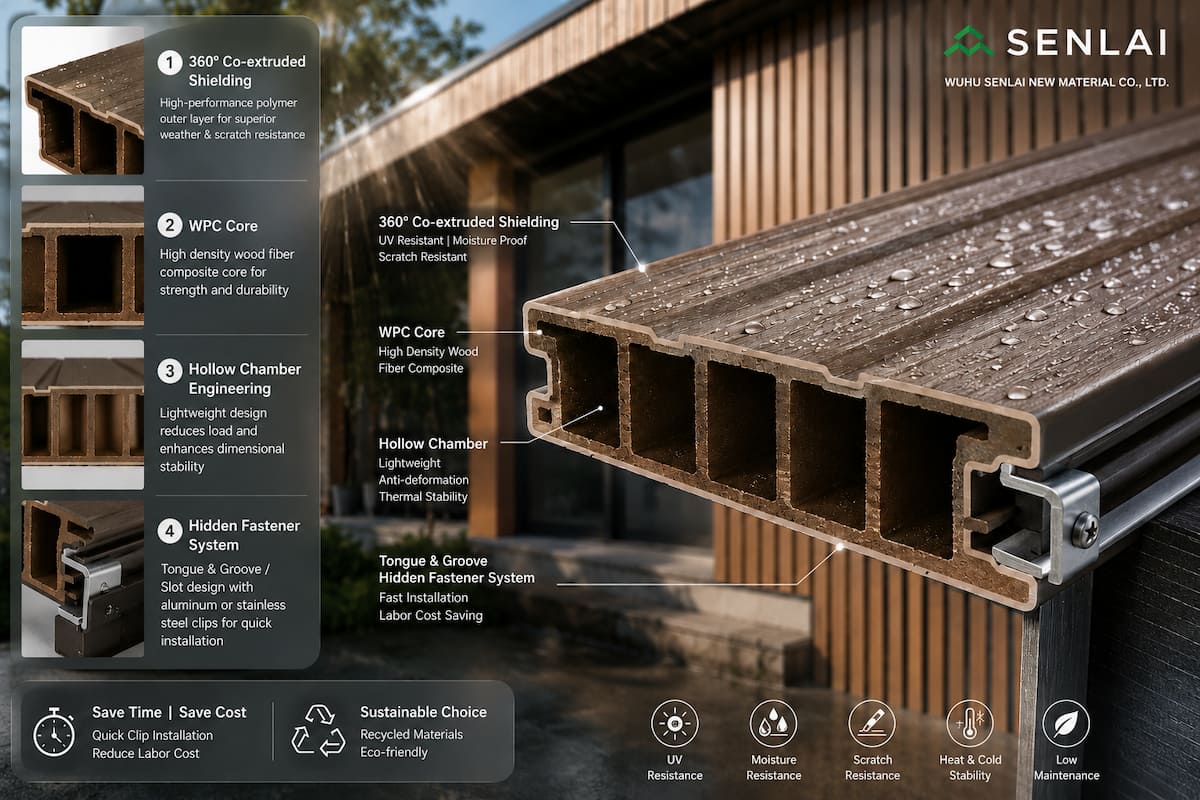
Durability and cost form the foundation of any cladding decision. You need a material that withstands harsh conditions without draining your budget. Both WPC and aluminum composite panels deliver strong performance, but they excel in different areas. Understanding these differences helps you allocate your resources effectively.
WPC Outdoor Wall Panel Durability and Price
The wood plastic composite material in a wpc outdoor wall panel offers exceptional resistance to environmental stressors. You get a product that resists rot, warping, and UV damage. The recycled hardwood fiber and plastic polymers create a dense structure that repels moisture. This water resistance prevents the swelling and cracking that plague traditional timber. The anti-mildew agents embedded during manufacturing stop fungal growth before it starts. Your exterior wall panels maintain their structural integrity through freezing winters and scorching summers. The material also resists insect infestation, eliminating another common failure point.
The weather-resistant performance of WPC comes from its unique composition. Approximately 60% hardwood fiber and 30% polypropylene or polyethylene form a matrix that handles temperature swings. The addition of antioxidants and stabilizers protects against oxidation. This means your wpc exterior cladding retains its color and strength for decades. The expected service life ranges from 15 to 30 years with minimal intervention. You avoid the cyclical replacement costs associated with lesser materials.
Cost analysis reveals why WPC appeals to budget-conscious homeowners. The table below shows current pricing data from industry sources.
|
Source |
Cost Type |
Price Range (USD per sq ft) |
|---|---|---|
|
PNNL (2026) |
Installed WPC wall panels |
$7.50 - $9.50 |
|
HomeGuide |
Material only |
$4 - $12 |
|
HomeGuide |
Professional labor |
$6 - $13 |
|
HomeGuide |
Total installed |
$10 - $25 |
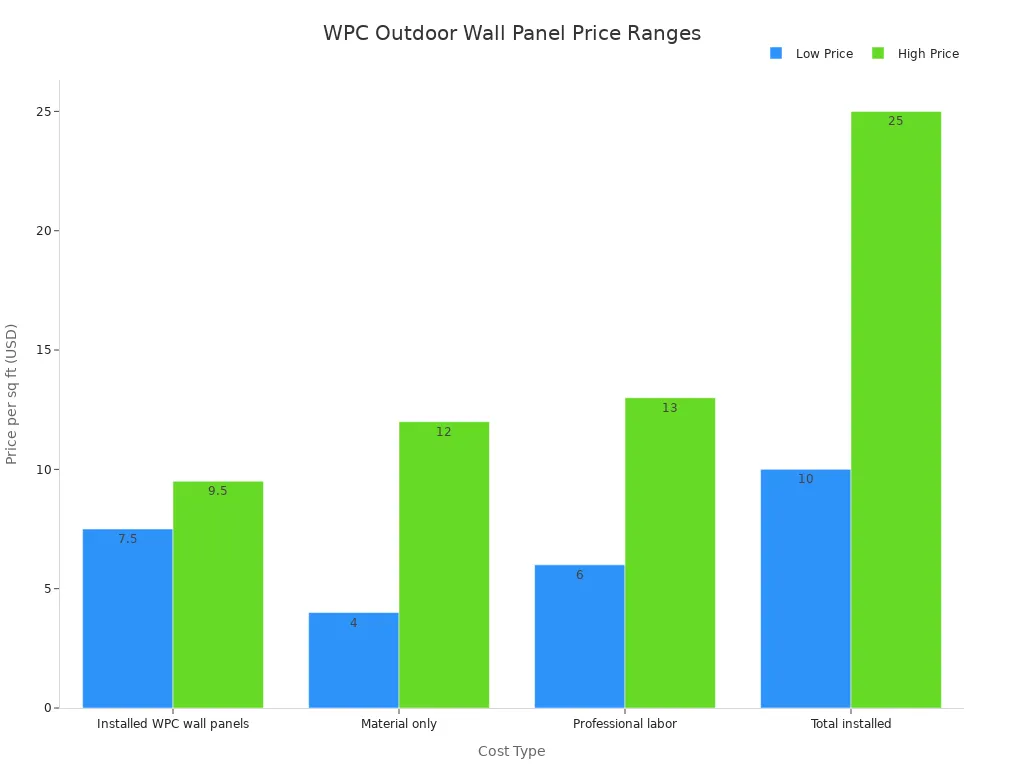
The total project cost varies based on your region and panel complexity. Material costs remain competitive with premium wood options. Labor costs reflect the straightforward installation process. You can reduce expenses further with DIY installation using standard tools. The low maintenance requirements eliminate recurring costs for paint, sealant, and stain. Over a 20-year period, these savings compound significantly. Your initial investment in exterior wpc wall panels pays dividends through reduced upkeep.
Aluminum Composite Panel Strength and Cost
Aluminum composite panels offer superior impact resistance and fire performance. The two aluminum sheets bonded to a polyethylene core create a rigid structure. This construction withstands physical abuse better than most alternatives. The material also provides natural fire resistance when manufactured with fire-retardant cores. You gain peace of mind in high-risk environments. The panels resist corrosion and maintain dimensional stability under stress.
The cost structure for aluminum composite panels runs higher than WPC. Material prices typically exceed the WPC range. Specialized installation techniques require trained professionals. Cutting and joining demand precision tools that add labor expenses. The upfront investment often doubles or triples the WPC equivalent. However, the durability and performance justify the premium for certain applications. Commercial buildings and high-traffic areas benefit from the enhanced strength.
Your choice ultimately depends on your priorities. The durability of WPC delivers excellent value for residential projects. The impact resistance of aluminum composite suits demanding commercial settings. Consider your climate, budget, and performance requirements carefully. The right selection balances upfront costs against long-term value. Both materials offer quality, but they serve different masters. Evaluate your specific needs before committing your resources.
Maintenance and Aesthetics
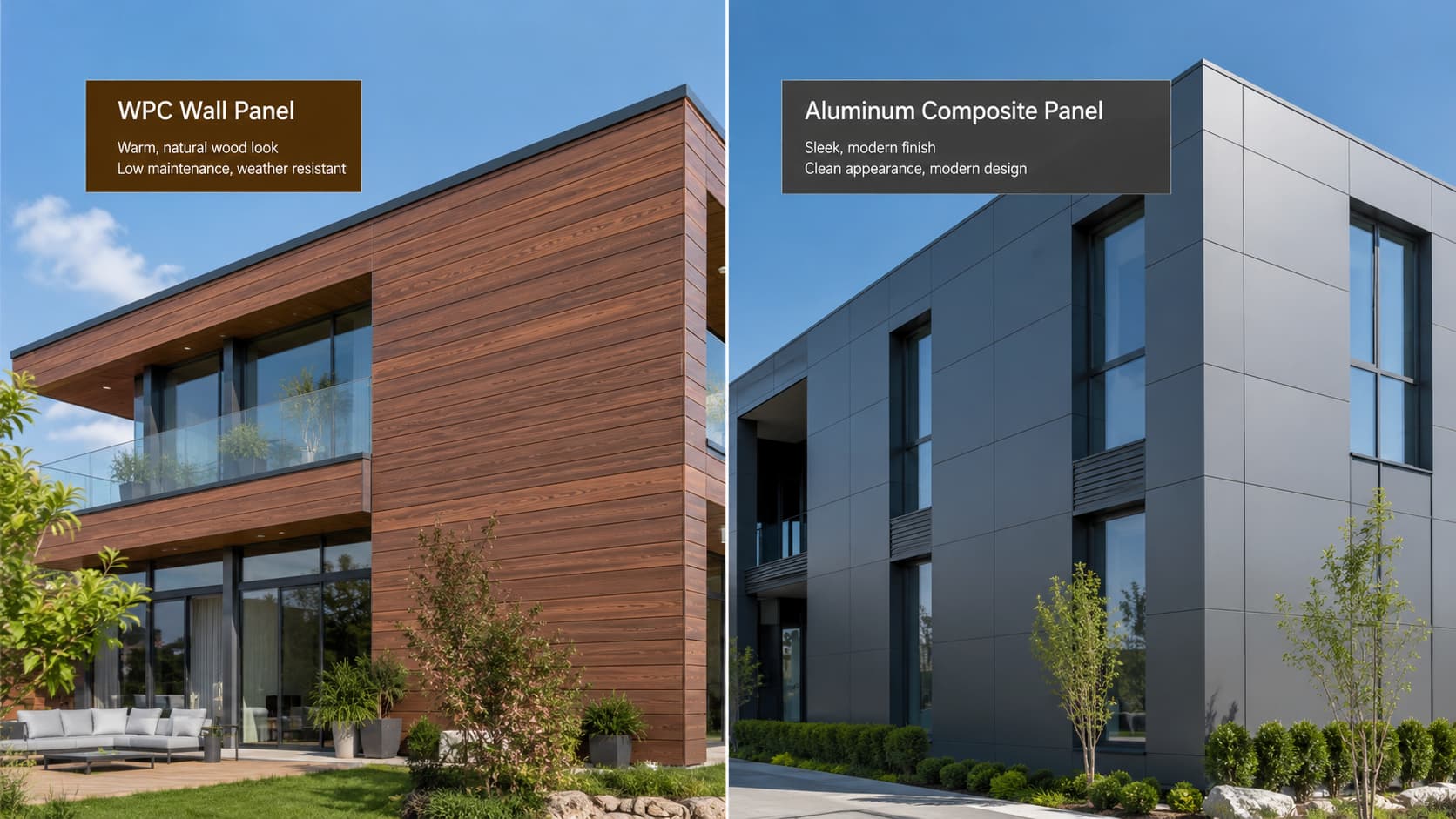
Your choice of exterior cladding determines how much time you spend on upkeep and how your home presents itself to the world. Both materials offer distinct advantages in these areas, but they serve different priorities. Understanding the maintenance demands and visual character of each option helps you match the material to your lifestyle and design goals.
Low Maintenance of WPC Exterior Cladding
The wood plastic composite material in a wpc outdoor wall panel eliminates nearly all routine upkeep. You never need to paint, seal, or stain the surface. The recycled hardwood fiber and plastic polymers create a dense structure that resists moisture penetration. This water resistance prevents the swelling, cracking, and fungal growth that plague traditional timber. The anti-mildew agents embedded during manufacturing stop biological deterioration before it starts. Your exterior wpc wall panels maintain their appearance through decades of exposure to sun, rain, and temperature swings.
Cleaning requires only occasional washing with water and mild soap. A garden hose or pressure washer on a gentle setting removes dust and debris effectively. You avoid the recurring costs of paint, sealant, and stain that wood cladding demands every few years. The low-maintenance exterior also saves you valuable weekends that would otherwise go to scraping and repainting. This ease of care makes WPC an attractive option for busy homeowners who value their leisure time.
The durability of this material extends beyond simple upkeep. The addition of antioxidants and stabilizers protects against UV radiation and oxidation. Your cladding retains its color and structural integrity for 15 to 30 years with minimal intervention. The weather resistance of the composite matrix handles freezing winters and scorching summers without warping or cracking. This long-term performance translates directly into lower lifetime costs. You invest once and enjoy decades of reliable service.
The aesthetic appeal of WPC lies in its natural wood-grain appearance. Manufacturers offer a range of finishes that mimic premium timber species. Popular options include Warm Walnut, Teak, and Soft Sandstone, each formulated with UV-protection and fade-resistant coatings. You can also choose from modern finishes like Vertical Slats and Fluted Panels for contemporary architectural styles. This versatility lets you achieve the warmth of wood without the maintenance burden. The visual quality of these panels rivals natural timber at a fraction of the upkeep.
Modern Look of Aluminum Composite Panels
Aluminum composite panels deliver a sleek, contemporary aesthetic that suits modern architectural designs. The smooth surface and precise edges create clean lines that define high-end facades. You can select from a wide palette of colors, including Slate Gray, Graphite, Bold Black, and Dark Charcoal. Matte and Brushed finishes add texture and depth to the surface. These options provide a sophisticated look that WPC cannot replicate.
The maintenance requirements for aluminum composite remain modest but slightly higher than WPC. You should clean the panels periodically with mild soap and water to remove environmental pollutants. The PVDF coating provides excellent color retention, with manufacturers typically warranting 15 to 20 years of color stability for standard exterior environments. Premium PVDF 70/30 paint systems carry warranties of 20 to 30 years for color retention. This long-term color quality ensures your facade maintains its appearance without frequent refinishing.
The durability of aluminum composite panels comes from their rigid sandwich construction. Two aluminum sheets bonded to a polyethylene core create a structure that resists impact and dimensional change. The material performs exceptionally well in high-traffic commercial environments where physical abuse is a concern. The fire-resistant properties of certain core materials add another layer of safety. This performance makes aluminum composite the preferred choice for demanding applications.
Your decision between these materials ultimately depends on your aesthetic preferences and maintenance priorities. The low-maintenance facade of WPC suits residential projects where natural warmth and minimal upkeep matter most. The sleek finish of aluminum composite appeals to commercial buildings and modern homes seeking a bold statement. Consider your climate, design vision, and available time for maintenance. The right choice balances visual appeal with practical considerations. Both materials deliver quality performance, but they excel in different contexts. Evaluate your project requirements carefully before committing your investment.
Many homeowners assume real wood remains the gold standard for exterior surfaces. The exterior wpc wall panels vs wood cladding comparison reveals surprising advantages for the composite option. Traditional wood cladding offers undeniable natural beauty. The grain patterns and warm tones create a timeless appearance. However, that beauty demands constant attention. You must paint or seal wood every few years. Moisture penetration causes warping, cracking, and rot. Insects such as termites and carpenter ants view your siding as a food source. These vulnerabilities shorten the lifespan of wood installations significantly.
The wood plastic composite material in a wpc exterior cladding eliminates these failure points entirely. The recycled hardwood fiber and plastic polymers create a dense matrix that repels moisture. This water resistance prevents swelling and fungal growth. The anti-mildew agents embedded during manufacturing stop biological deterioration before it starts. Your exterior wpc wall panels resist insect infestation completely. The expected service life ranges from 15 to 30 years with minimal intervention. You avoid the cyclical replacement costs associated with lesser materials.
Cost analysis reveals why the composite option appeals to budget-conscious homeowners. The table below shows typical pricing for both materials.
|
Material |
Material Cost (USD per sq ft) |
Maintenance Cost (20 years) |
|---|---|---|
|
WPC |
$4 - $12 |
$0 - $200 |
|
Cedar |
$3 - $8 |
$2,000 - $4,000 |
|
Redwood |
$6 - $15 |
$2,000 - $4,000 |
The upfront material cost for WPC often exceeds lower-grade lumber. However, the maintenance savings accumulate dramatically over two decades. You eliminate recurring expenses for paint, sealant, and stain. The installation process for WPC requires standard tools and fasteners. The straightforward installation reduces labor costs compared to complex wood joinery. The quality of the finished surface remains consistent across panels. The weather resistance of the composite matrix handles freezing winters and scorching summers without warping. The performance of your cladding stays reliable through decades of exposure.
The aesthetic of WPC mimics premium timber species convincingly. Manufacturers offer finishes like Warm Walnut, Teak, and Soft Sandstone. Each formulation includes UV-protection and fade-resistant coatings. You achieve the warmth of wood without the maintenance burden. The visual quality rivals natural timber at a fraction of the upkeep. For your next project, consider the long-term value. The composite choice delivers superior performance where it matters most.
Best Use Cases for Each Material
When to Choose WPC Outdoor Wall Panels
Your residential project benefits most from a wpc outdoor wall panel when low maintenance and natural aesthetics rank high on your priority list. Garden walls, patio enclosures, and backyard privacy screens all perform exceptionally well with this composite material. The wood-grain finish blends seamlessly with landscaping and outdoor living spaces. Coastal properties gain particular advantage from the water resistance and anti-mildew properties. Salt air and humidity degrade traditional timber quickly, yet the composite matrix withstands these harsh conditions without deterioration.
Homeowners seeking a wood-like appearance without the upkeep find exterior wpc wall panels the ideal solution. You avoid the cyclical painting, sealing, and staining that real lumber demands. The durability of this material extends 15 to 30 years with minimal intervention. The weather resistance handles freezing winters and scorching summers without warping or cracking. The installation process requires only standard tools and fasteners, making DIY projects feasible. Your investment delivers consistent performance across decades of exposure. The quality of the finish remains stable, with UV-protection preventing color fade. For residential settings where budget and time matter, this choice provides exceptional value.
When to Choose Aluminum Composite
Commercial buildings and high-end facades demand the strength and sleek appearance that aluminum composite panels provide. Modern office complexes, retail storefronts, and architectural landmarks benefit from the rigid sandwich construction. The impact resistance protects against physical abuse in high-traffic environments. Fire-rated cores offer additional safety for buildings with strict code requirements. The smooth surface and precise edges create the contemporary aesthetic that defines premium architecture.
Your project may require aluminum composite when the exterior wall panels must withstand extreme conditions. Areas prone to severe weather events benefit from the dimensional stability. The material maintains its shape and appearance under stress. The PVDF coating preserves color for 15 to 20 years, ensuring long-term visual quality. The maintenance routine involves periodic cleaning with mild soap and water. The higher upfront cost reflects the superior performance characteristics. For projects where durability and modern design outweigh budget considerations, aluminum composite delivers unmatched results. The installation requires specialized techniques and trained professionals, adding to the overall investment. Your choice ultimately depends on the specific demands of your project and the aesthetic statement you wish to make.
WPC generally delivers better value for most homeowners. The lower cost and easier maintenance make it a practical choice. Aluminum composite panels provide superior durability and modern aesthetics. Your final decision rests on your specific priorities.
Choose WPC exterior cladding when budget and low maintenance top your list. The weather resistance and long-term performance deliver excellent quality. Simple installation saves you time. Select composite panels for a high-end facade requiring enhanced durability. This option demands a larger upfront investment but rewards you with lasting quality.
For premium, factory-direct outdoor solutions, Wuhu Senlai provides advanced co-extruded cladding profiles engineered for superior durability in demanding climates.
Have more questions about performance, pricing, or specifications? Check our FAQs below or contact the Sunlight WPC team for sample kits and project quotes.
Email:young@wuhusenlai.com
Whatsapp:+8615757460701
FAQ
What is the lifespan of WPC exterior wall panels?
WPC panels typically last 15 to 30 years with minimal maintenance. The wood plastic composite resists rot, warping, and UV damage. This durability ensures long-term performance for your outdoor investment.
How does WPC perform in extreme weather conditions?
WPC handles freezing winters and scorching summers without cracking or warping. The material repels moisture and resists UV radiation. This weather resistance maintains structural integrity through seasonal changes.
Is WPC more affordable than aluminum composite panels?
Yes, WPC offers lower upfront costs and eliminates recurring maintenance expenses. Aluminum composite panels require a higher initial investment. For budget-conscious homeowners, WPC delivers superior value without sacrificing
quality.
Can you install WPC panels yourself?
Yes, WPC installation requires only standard tools and fasteners. The straightforward process allows DIY enthusiasts to complete their project efficiently. Professional installation ensures quality results for those seeking precision.
Why choose WUHU SENLAI WPC ?
WUHU SENLAI WPC products hold CE, ISO9001, ISO14001, ASTM, FSC, and SGS certifications, ensuring consistent quality and environmental compliance. Engineered for different weather resistance and durability, our panels deliver reliable outdoor performance. Backed by factory-direct pricing and customizable solutions, SENLAI offers a dependable, high-value choice for both residential and commercial projects.