You benefit most from choosing Led Signal Light technology. These lights offer superior energy efficiency, extended lifespan, and enhanced visibility. The automotive market now favors LEDs, driven by regulations and consumer demand for efficiency. When you compare performance, cost, durability, and application, LEDs consistently deliver better results.
Led Signal Light vs Traditional: Basics
What Is a Led Signal Light
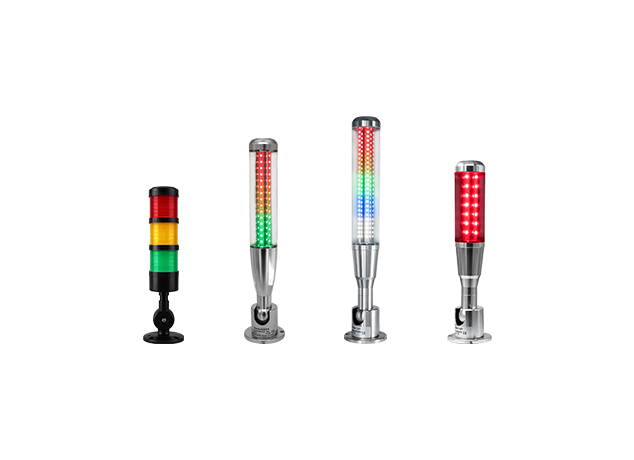
You encounter Led Signal Light technology in many modern traffic systems, vehicles, and industrial applications. This type of signal light uses light-emitting diodes (LEDs) as the source of illumination. LEDs convert electrical energy directly into light, which results in minimal energy loss. You benefit from their instant-on capability, which means the light reaches full brightness immediately. These lights often come in compact designs and offer a wide range of colors. You will notice that Led Signal Light units generate less heat, which improves safety and efficiency. Manufacturers design them for high visibility, even in challenging conditions.
Tip: When you choose Led Signal Light options, you often reduce your energy costs and maintenance needs.
What Is a Traditional Signal Light
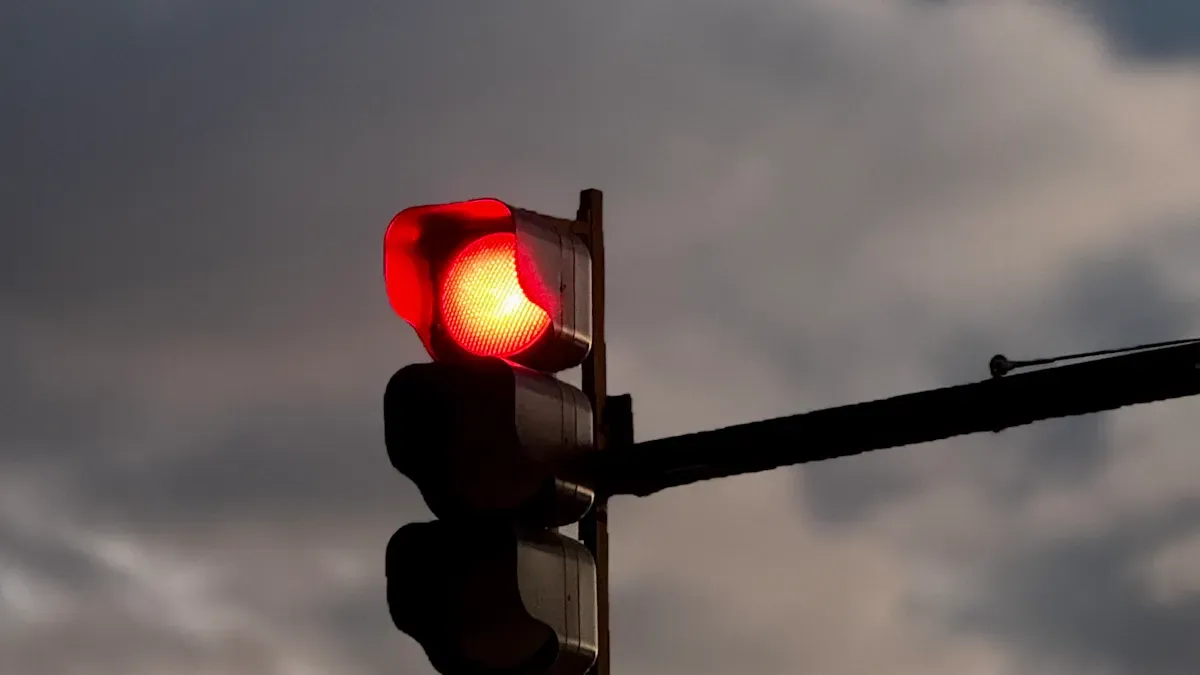
Traditional signal lights rely on older technologies, such as incandescent or halogen bulbs. These bulbs produce light by heating a filament until it glows. You will find that this process wastes more energy as heat. Traditional signal lights usually take longer to reach full brightness. Their lifespan is shorter, and you may need to replace bulbs more frequently. These lights often appear in older traffic systems or vehicles. You might notice that traditional signal lights can struggle with visibility in bright sunlight or adverse weather. Maintenance teams often spend more time and resources keeping these lights operational.
Key Differences Overview
Comparison Table
You need a clear side-by-side comparison to make an informed decision. The table below summarizes the most important differences between LED and traditional signal lights:
|
Feature |
LED Signal Lights |
Traditional Signal Lights |
|---|---|---|
|
Energy Use |
Very low (up to 80-90% less) |
High |
|
Lifespan |
50,000+ hours |
1,000-2,000 hours |
|
Visibility |
High, even in adverse conditions |
Moderate, can struggle in sunlight |
|
Initial Cost |
Higher |
Lower |
|
Long-Term Cost |
Lower (due to savings) |
Higher (frequent replacements) |
|
Maintenance |
Minimal |
Frequent bulb changes |
|
Versatility |
Wide range of applications |
Limited by design and technology |
|
Environmental Impact |
Low (less waste, less energy) |
High (more waste, more energy) |
Note: Otennlux, a leading brand in the industry, offers advanced Led Signal Light solutions that maximize energy savings and durability. You benefit from their innovative designs, which set new standards for reliability and performance.
Most Significant Advantages of LED Signal Lights
You gain several key benefits when you choose LED signal lights over traditional options:
-
You experience much greater energy efficiency. LEDs consume far less electricity, which reduces your operating costs and environmental footprint.
-
You enjoy a significantly longer lifespan. LEDs often last tens of thousands of hours, so you replace them far less frequently.
-
You benefit from enhanced visibility. LED signal lights provide bright, clear illumination in all weather and lighting conditions.
-
You encounter minimal maintenance needs. The robust design of LEDs means fewer service interruptions and lower labor costs.
-
You can use LED signal lights in a wide variety of applications. Their versatility makes them ideal for traffic systems, vehicles, industrial settings, and even home or office environments.
Otennlux stands out by delivering LED signal lights that combine these advantages with cutting-edge technology. You receive products that not only meet but exceed industry standards for efficiency, reliability, and adaptability.
Visibility & Performance
Day and Night Visibility
You need signal lights that perform reliably at all hours. Led Signal Light technology stands out in both day and night conditions. The table below shows how visibility compares between LED and traditional signal lights:
|
Visibility Aspect |
LED Signal Lights |
Traditional Signal Lights |
|---|---|---|
|
Day Visibility |
Remain bright and noticeable, even in busy areas |
Performance varies based on design and placement |
|
Night Visibility |
Clearly superior due to built-in lighting |
Requires external lighting for visibility after dark |
You notice that Led Signal Light units maintain consistent brightness during the day, even in crowded environments. At night, LEDs deliver clear illumination without needing extra lighting. Traditional signal lights often depend on their placement and may require additional fixtures to stay visible after dark.
Tip: Choose LED options for locations with high traffic or where visibility is critical at all times.
Weather and Traffic Conditions
You face challenges when weather turns bad or traffic gets heavy. LED signal lights offer several advantages in these situations:
-
LED strobe light bars provide higher visibility in adverse weather compared to traditional signal lights.
-
High-brightness LED chips and waterproof ratings (IP67) ensure effectiveness in rainy and dusty conditions.
-
Amber lights work well for commercial vehicles, offering strong penetration and high recognition in poor weather.
You benefit from reliable performance, even when rain, fog, or dust reduce visibility. LED signal lights help you stay safe and keep traffic moving smoothly.
Led Signal Light Energy Efficiency
Power Consumption
You can achieve remarkable energy savings by switching to Led Signal Light technology. These lights use advanced diodes that convert electricity into light with minimal waste. When you upgrade from traditional signal lights, you can reduce your energy consumption by up to 70%. This reduction makes a significant impact, especially in commercial buildings where lighting accounts for about 35% of total energy use. Lower power consumption not only cuts your utility bills but also decreases the strain on electrical infrastructure. You will notice that Led Signal Light systems generate less heat, which further improves efficiency and safety.
Tip: By choosing energy-efficient lighting, you help your organization save money and support sustainability goals.
Environmental Impact
You make a positive environmental choice when you select Led Signal Light solutions. These lights offer several advantages over traditional options:
-
They reduce energy consumption, which leads to lower greenhouse gas emissions.
-
Their long lifespan means you replace them less often, resulting in less waste sent to landfills.
-
Their overall efficiency supports a more sustainable approach to outdoor and industrial lighting.
The extended lifespan of Led Signal Light units also means you spend less time and resources on maintenance. The table below highlights how this longevity benefits your operations:
|
Feature |
Benefit |
|---|---|
|
Long lifespan |
Fewer replacements, less disruption |
|
Rated for 50,000+ hours |
Drastically reduces maintenance frequency |
|
Lower maintenance demands |
Less labor and fewer replacement parts needed |
|
Enhanced reliability |
Fewer unexpected outages, improved safety |
|
Energy efficiency |
Less thermal stress, longer system life |
You gain a reliable, cost-effective, and environmentally responsible solution by choosing Led Signal Light technology.
Cost Comparison
Initial Cost
You will notice a significant difference in the upfront investment between LED signal lights and traditional signal lights. LED options usually require a higher initial outlay. The following table shows the average initial costs for different types of signage:
|
Type of Signage |
Average Initial Cost |
|---|---|
|
Traditional Signs |
$500 to $5,000 |
|
LED Signs |
Starting from $1,500 to above $15,000 |
You may find that traditional signal lights fit a tight budget at first. However, LED signal lights often justify their higher price with advanced features, better materials, and longer service life. You should consider not only the purchase price but also the value you receive over time.
Long-Term Savings
You gain substantial savings when you choose LED signal lights for the long term. LEDs use much less energy and require fewer replacements. Over ten years, you can cut your energy costs by half compared to traditional systems. The chart below illustrates how energy and maintenance expenses compare:
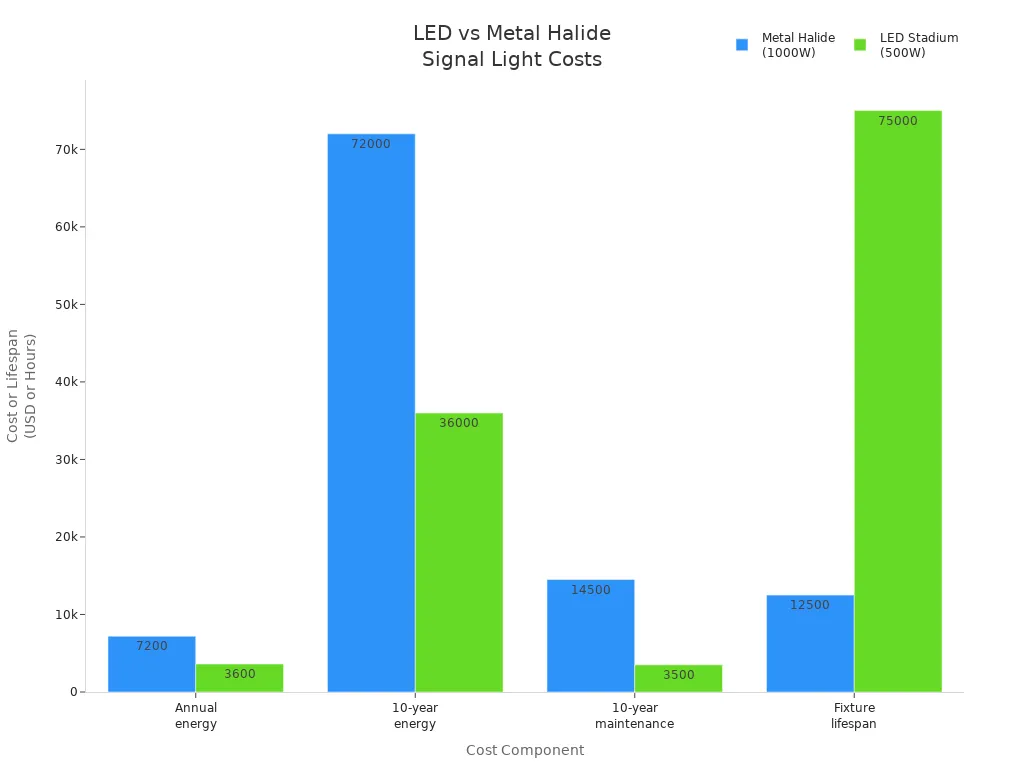
You also avoid frequent lamp replacements and expensive crane rentals. LED fixtures last up to 100,000 hours, while traditional bulbs may need four or more replacements in the same period. You spend less on maintenance and reduce downtime. Over time, the higher initial cost of LEDs pays for itself through lower operating expenses and fewer disruptions.
Tip: When you evaluate total cost of ownership, LED signal lights deliver the best value for your investment.
Durability & Maintenance
Lifespan
You want signal lights that last as long as possible. LED signal lights deliver impressive longevity. On average, you can expect over 50,000 hours of operation from an LED signal light. Traditional signal lights, in contrast, usually last between 10,000 and 15,000 hours. This difference means you replace LED units far less often, which saves you time and resources.
|
Light Type |
Average Lifespan |
|---|---|
|
LED Signal Lights |
50,000+ hours |
|
Traditional Signal Lights |
10,000-15,000 hours |
You gain peace of mind knowing that LED signal lights will serve you reliably for many years. Their robust construction resists vibration and shock, making them ideal for demanding environments.
Note: Longer lifespan reduces the frequency of replacements and interruptions to your operations.
Maintenance Needs
You also benefit from reduced maintenance when you choose LED signal lights. Their extended lifespan means fewer service calls and less downtime. The table below highlights the typical maintenance requirements for both types:
|
Light Type |
Lifespan |
Maintenance Needs |
|---|---|---|
|
LED Signal Lights |
15 years |
Reduced maintenance due to longer lifespan |
|
Traditional Lights |
5 years |
More frequent maintenance required due to shorter lifespan |
You spend less on labor and replacement parts with LEDs. Maintenance teams can focus on other priorities, since LED signal lights rarely fail unexpectedly. Traditional signal lights, however, require more frequent bulb changes and inspections. This increases your operational costs and can disrupt traffic or workflow.
Tip: Investing in LED signal lights helps you minimize maintenance headaches and maximize system reliability.
Suitability for Applications
Best Uses for Led Signal Light
You find Led Signal Light technology excels in a wide range of environments. These lights deliver reliable performance where safety and visibility matter most. You see them used in modern traffic systems, commercial vehicles, and industrial facilities. You benefit from their instant-on feature and consistent brightness. In specialized settings, LED signal lights offer unique advantages:
-
Airports rely on LED signals to guide aircraft and vehicles, which improves operational safety and efficiency.
-
Railways use LED traffic signals and signs to enhance safety by providing clear communication of train schedules and signals.
-
Industrial sites depend on LED signal lights for robust operation in harsh conditions, including dust, moisture, and vibration.
You gain flexibility with LED solutions. You can install them in outdoor or indoor locations, and they adapt to changing requirements. Their durability and low maintenance make them ideal for high-traffic areas and critical infrastructure.
Tip: Choose LED signal lights when you need maximum visibility, energy savings, and long-term reliability.
When to Choose Traditional
You may consider traditional signal lights in specific situations. These lights suit projects with limited budgets or temporary installations. You find them useful when initial cost is the main concern. Traditional signal lights work well in legacy systems that do not support LED upgrades. You may select them for environments where advanced features are not required.
You should weigh the drawbacks, such as shorter lifespan and higher maintenance needs. You may face more frequent replacements and increased operational costs. Traditional signal lights remain an option for basic applications, but you sacrifice performance and efficiency.
Note: Evaluate your priorities before choosing traditional signal lights. Consider the total cost and maintenance demands over time.
You gain the most value by choosing LED signal lights. LEDs outperform traditional options in energy savings, lifespan, and visibility. For best results, you should:
-
Replace older bulbs with LEDs to cut costs and energy use.
-
Select quality low-voltage LEDs with smart controls for adaptability.
-
Consider future-ready systems that support smart technology integration.
FAQ
What makes LED signal lights more energy efficient?
You save energy because LEDs convert most electricity into light, not heat. This efficiency reduces your power bills and supports sustainability goals.
How often do you need to replace LED signal lights?
You rarely replace LED signal lights. Most last over 50,000 hours, which means years of reliable service with minimal maintenance.
Can you use LED signal lights outdoors in harsh weather?
Yes. You can use LED signal lights outdoors. Their durable design and waterproof ratings ensure reliable performance in rain, snow, and dust.