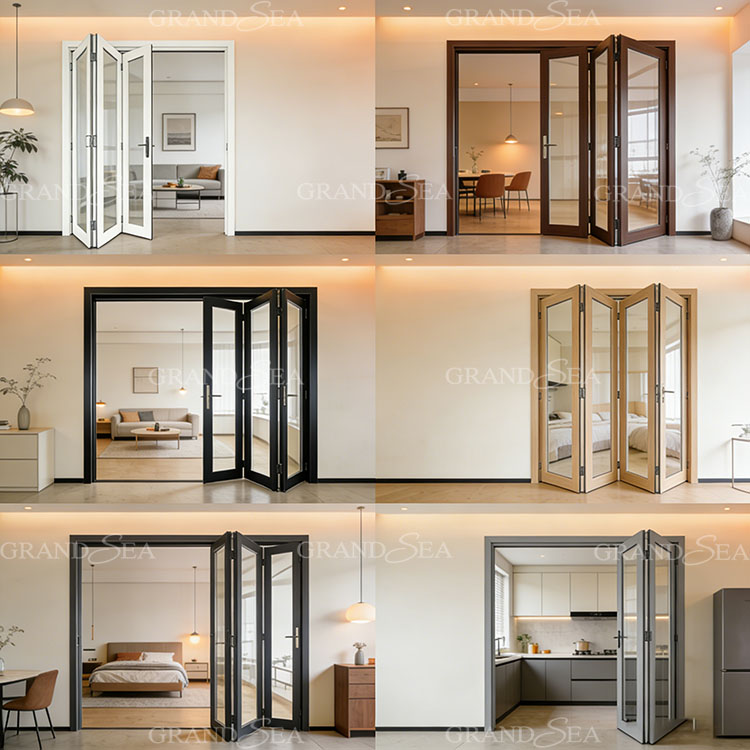
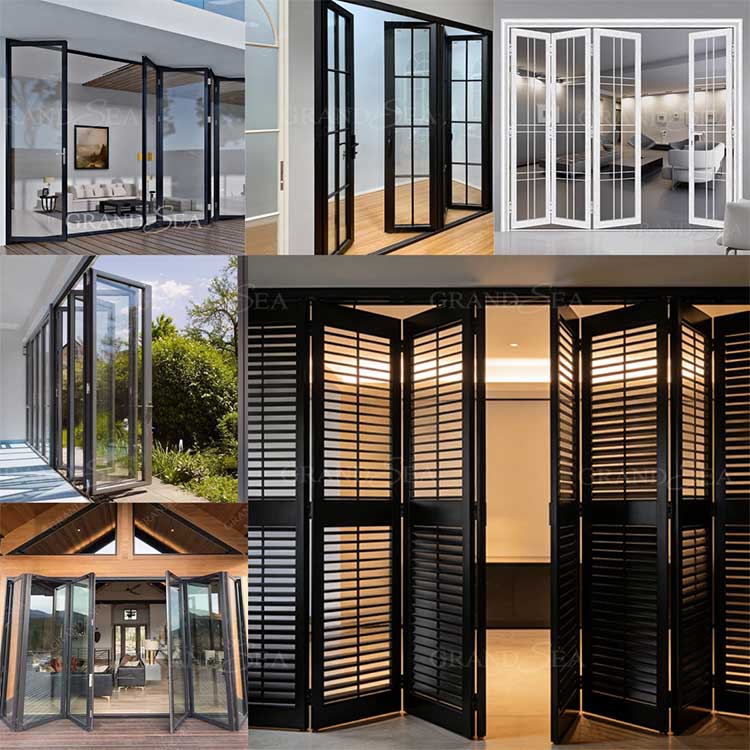
Choosing the best aluminium casement window for your house is not just about how it looks. You need a window that is strong, saves energy, and keeps your home safe. It should also fit your style and work well. Here are things most homeowners think about before picking windows:
|
Factor
|
Description
|
|
Performance
|
It is important to find a good balance between how well the window works and how much it costs.
|
|
Cost
|
You should compare the first price to how much you will save over time.
|
|
Long-term Value
|
Better systems usually give more benefits for many years.
|
|
Durability
|
Good aluminum frames can last a long time, so you do not need to replace them often.
|
|
Energy Efficiency
|
Windows that save more energy help lower heating and cooling bills.
|
|
Design Flexibility
|
You can choose from many styles to match your house.
|
|
Maintenance Requirements
|
These windows need less care than others, which saves time and money.
|
If you make smart choices, your windows will give you comfort and value for a long time.
Key Takeaways
-
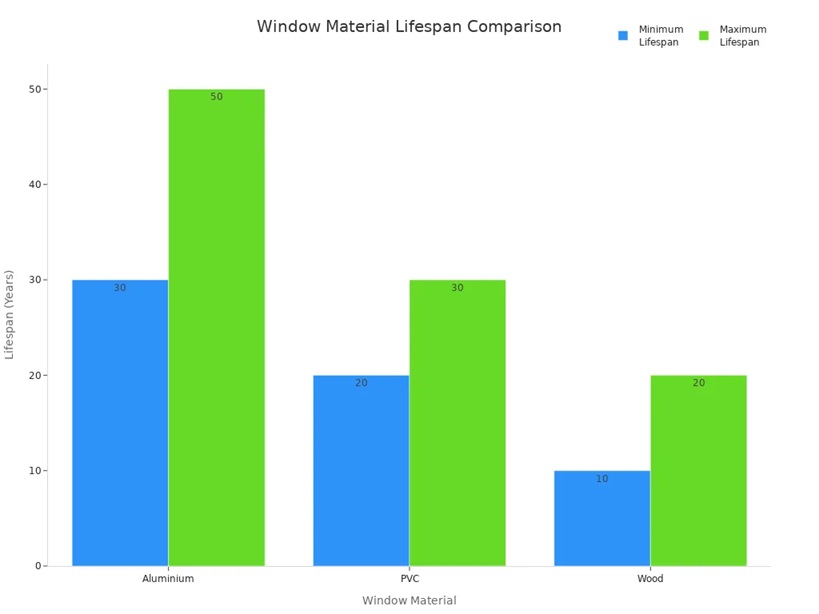
Pick high quality aluminium casement windows because they are strong and easy to care for. They can last from 30 to 50 years. This helps you save time and money.
-
Find energy-saving choices like double or triple glazing. These windows help you spend less on heating and cooling.
-
Make sure to choose windows with good security features like multi-point locking systems. These locks keep your home safer.
-
Think about the design and ways you can customize your windows. Choose colors and styles that look good with your house.
-
Get a skilled installer to put in your windows. Good measurements and expert work help your windows work their best.
Why Choose Aluminium Casement Windows for Your Home
Key Benefits
When you want new windows, you want them to last. You also want them to look nice and keep your house safe. Aluminium casement system does all these things well. They are better than uPVC or wood in many ways. Look at this table to see the differences:
|
Advantage
|
Aluminium Windows
|
uPVC Windows
|
|
Durability
|
Strong and hard to break or damage
|
Not as strong as aluminium
|
|
Security
|
Great protection with strong locks
|
Regular safety features
|
|
Aesthetic Appeal
|
Thin frames, bigger glass, modern style
|
Thicker frames, not many styles
|
|
Environmental Impact
|
Easy to recycle, helps cut down on waste
|
Can be recycled but breaks down slowly
|
|
Cost-Effectiveness
|
Costs more at first but lasts longer
|
Cheaper at first but may need more fixes
|
You get more than a window. You get safety, style, and value for many years.
Durability and Low Maintenance
Aluminium casement windows are known for being tough. They can last from 30 to 50 years. This is much longer than PVC or wood windows. See this chart to compare how long each type lasts:
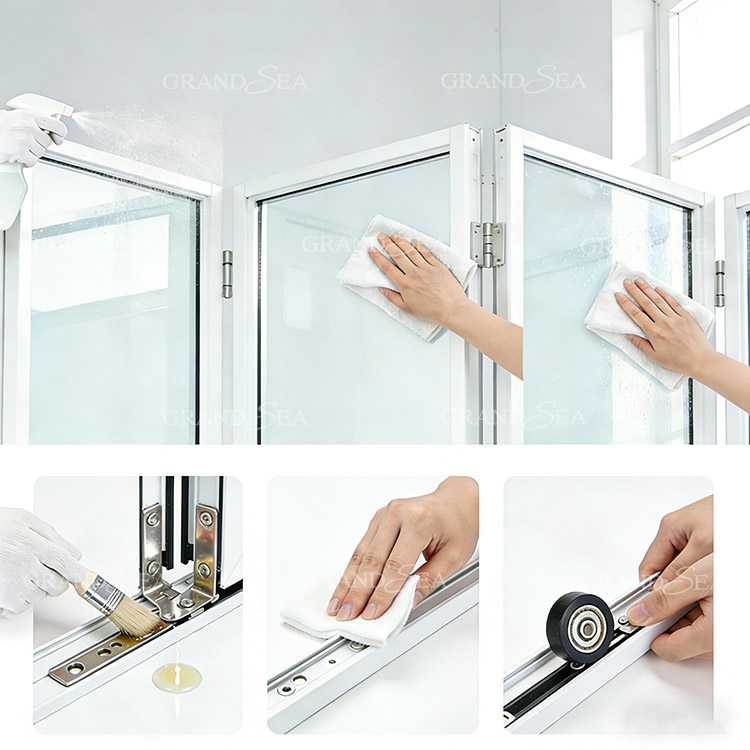
You do not need to fix them all the time. Here is how you keep them working well:
-
Wash with gentle soap and water.
-
Oil the moving parts once a year.
-
Look for rust, especially if you live near the ocean.
You do not have to paint them like wood. Bugs will not hurt them either. This saves you time and money.
Modern Look
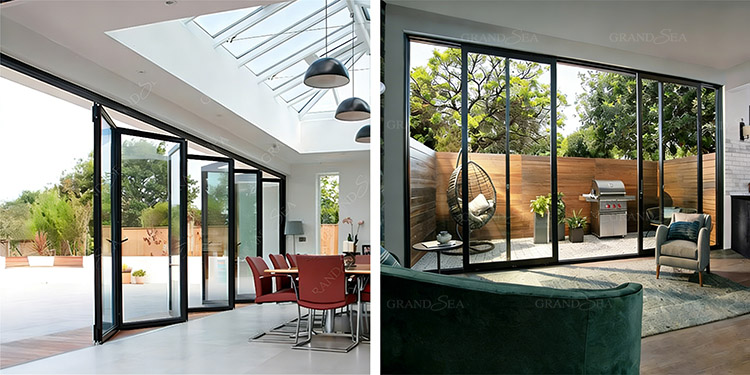
Aluminium casement windows make your house look new and stylish. The thin frames let in lots of light. Rooms feel bigger and brighter. You can see outside better and enjoy a clean look. These windows work with many home styles. The straight lines and big glass make your space feel open. If you want your house to look special, these windows are a good pick.
How to Choose the Right Aluminum Casement Windows
When you pick aluminum casement windows, do not just look at style. Many people care about how windows look, but there is more to think about. If you want windows that last, keep your house safe, and save money, check the quality, security, weather resistance, and value. Let’s look at these key factors to consider so you can make a smart choice.
Quality of Aluminum Profile
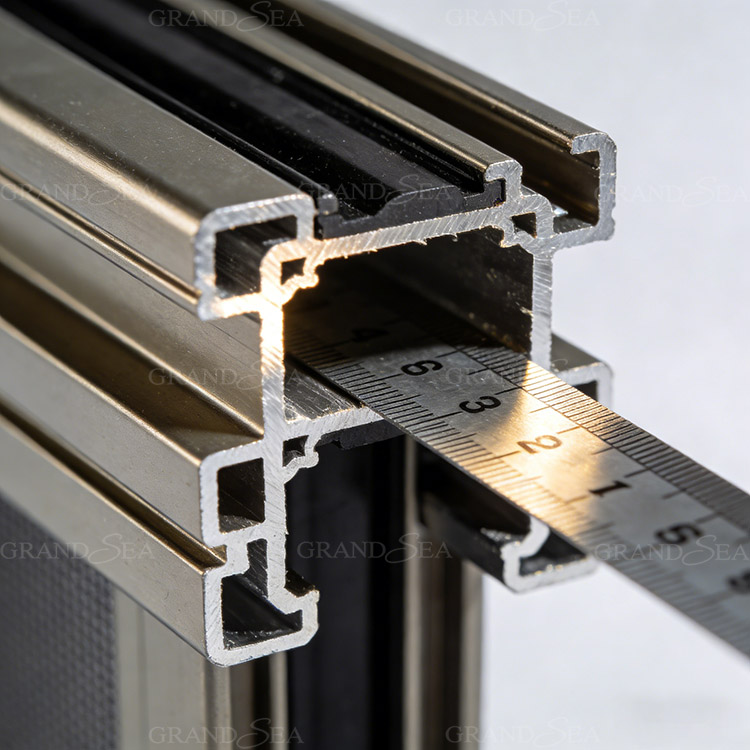
The quality of the aluminum profile is very important. Not all aluminum is the same. You want strong, thick frames that will not bend or break. Look for architectural-grade aluminum like 6063-T5 or T6. These grades are stronger and last longer. The thickness of the profile matters too. Most aluminum casement windows need at least 1.4mm thickness, but some use up to 2.0mm. Here is a quick guide:
|
Alloy
|
Profile Wall Thickness
|
Window Frame Thickness
|
|
6060-T66
|
1.8mm
|
81mm
|
-
6063-T5 or T6 aluminum is best for windows.
-
Pick profiles with at least 1.4mm thickness for strength.
-
Thicker frames (up to 2.0mm) are good for big windows.
If you choose high-quality aluminum, your windows will last longer and need less fixing. Always check the hardware quality too. Handles, hinges, and locks should feel strong and work well. Bad hardware can make even the best frames hard to use.
Tip: Do not just look at the color or finish. The inside is just as important as the outside. Good frames and hardware keep your windows working for years.
Security and Locking Systems
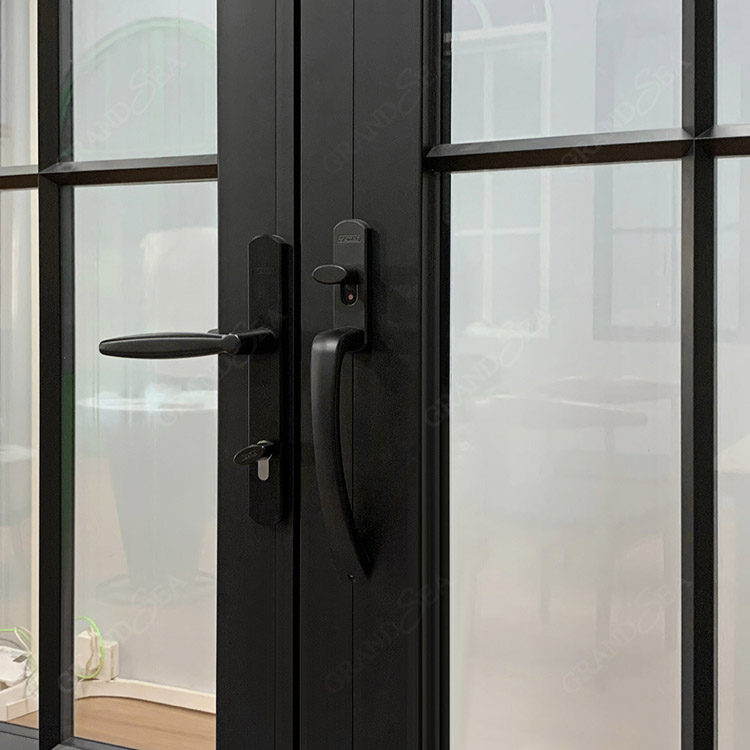
Security is another key factor to consider when you pick aluminum casement windows. You want your home to be safe. Multi-point locking systems are a smart choice. These locks hold the window at many spots around the frame, not just one. This makes it much harder for someone to break in.
-
Multi-point locks grab the frame in different places, so breaking in is tough.
-
They press the window tight all around, making it strong.
-
You can lock and unlock them with a key.
Aluminum casement windows with strong frames and multi-point locking systems protect better than many other windows. Here is a quick comparison:
|
Window Type
|
Security Features
|
|
Aluminium Casement
|
Multi-point locking systems, tight seal against break-ins
|
|
Sliding Windows
|
Strong locks that stop too much opening
|
If you want to feel safe, always check the locking system quality. It is one of the key factors to consider for your family’s safety.
Weather Resistance and Seals
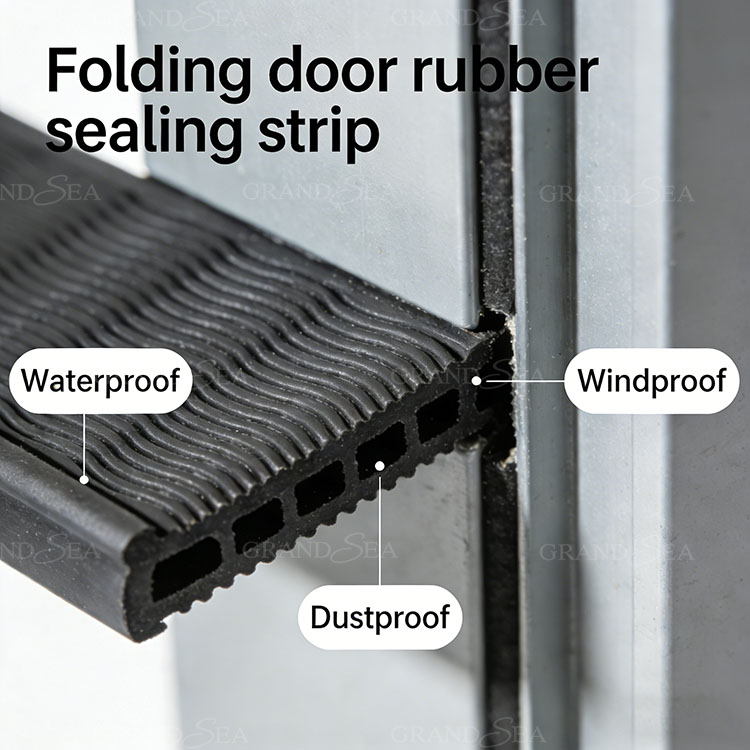
Weather resistance is important, especially if you live where it rains or gets windy. Good seals keep out water, dust, and drafts. When you look at aluminum casement windows, check for these key factors to consider:
|
Sealing Method
|
Benefits
|
|
Multi-chambered frames
|
Better insulation, keeps heat in or out, saves energy.
|
|
Precision-engineered joints
|
No gaps, better sealing.
|
|
Strong weather stripping
|
Stops rain, dust, and drafts.
|
|
Silicated fin-based wool pile seal
|
Blocks water, dust, and sound, lasts a long time.
|
|
Duranium alloy
|
Up to 40% stronger than regular aluminum, makes windows tougher.
|
-
Multi-chambered frames help keep your house warm in winter and cool in summer.
-
Precision joints mean no air or water can get in.
-
Strong weather stripping and wool pile seals block the weather.
If you want your windows to last and keep your house comfy, always check the seals. This is one of the most important key factors to consider for comfort.
Cost and Value
Cost is always a key factor to consider, but value matters too. Aluminum casement windows can cost more at first, but they save you money later. Here is how they compare to other windows:
|
Window Type
|
Cost Range
|
Average Cost
|
|
Aluminum Casement
|
$300–$950
|
$625
|
|
Single-frame Casement
|
$224
|
N/A
|
|
Double-frame Casement
|
$445–$585
|
N/A
|
|
Vinyl Frames
|
$475
|
N/A
|
|
Wood Frames
|
Up to $1,145
|
N/A
|
|
Fiberglass Frames
|
$535–$1,575
|
N/A
|
You might pay more for aluminum at first, but you get better durability, less fixing, and more energy savings. Over time, these windows can make your house worth more. They last for years, need little care, and help lower your bills. Here is what you get:
|
Feature
|
Benefit
|
|
Energy savings
|
Lowers heating and cooling costs
|
|
Durability
|
Good frames last for many years
|
|
Maintenance costs
|
Needs less care than other materials
|
|
Resale value
|
Good windows make your house worth more
|
-
Aluminum casement windows help you save on bills.
-
Their strength means you do not need to replace them often.
-
Less fixing saves you time and money.
-
They can make your house worth more if you sell.
Note: Many people pick windows just for looks. Always check the quality, seals, and installation. These key factors to consider will help you avoid problems later.
Evaluating Manufacturers and Installers
The last key factor to consider is who makes and puts in your windows. Even the best aluminum casement windows need experts to install them. Here is what to look for:
|
Criteria
|
Description
|
|
Production Capacity
|
Can the company handle your order and deliver on time?
|
|
Investment Potential
|
Will the windows give you value and savings for years?
|
|
Material Quality
|
Does the company use good aluminum and hardware?
|
Ask about their experience and read reviews. A good installer will measure carefully and make sure your windows fit right. This helps you get the most from your windows.
If you remember these key factors to consider—quality, security, weather resistance, cost, and installer skill—you will pick the right aluminum casement windows for your house. You will enjoy comfort, safety, and value for many years.
Energy Efficiency and Glass Options
Double or Triple Glazing
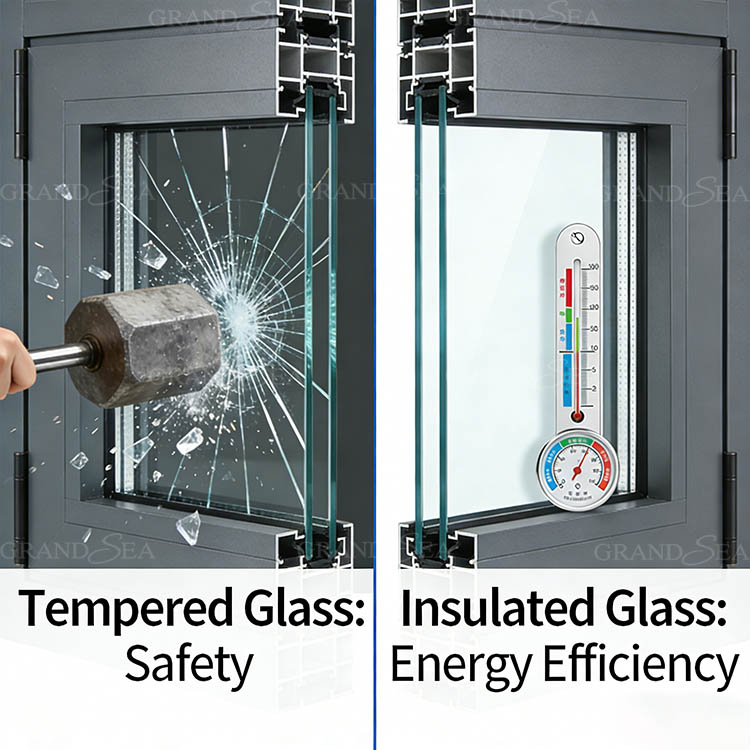
When you want windows that save energy, you should think about double or triple glazing. Double glazing has two glass panes with a space in the middle. Triple glazing has three panes, which makes it even better at saving energy. Triple glazing can make your windows work up to 45% better than double glazing. This means your rooms stay warmer in winter and cooler in summer. These windows also block more noise, so your house is quieter and more comfy.
-
Triple glazing gives the best insulation and saves the most energy.
-
Double glazing still works well for most houses.
-
Both choices help you use less energy.
Thermal Breaks and U-Values
Thermal breaks are special barriers inside aluminium casement windows. They stop heat from moving through the frame. This helps your windows work better and keeps your bills lower. When you shop for windows, check the u-value. The u-value tells you how well a window keeps heat inside. Lower numbers mean the window is better at stopping heat from escaping.
|
Performance
|
Grade
|
Reference Standards
|
|
Thermal insulation, Uw
|
Class C [1.5W/(m2.k)]
|
EN ISO 12567-1:2011
|
|
Thermal insulation, Uw
|
Class B [1.2W/(m2.k)]
|
EN ISO 12567-1:2011
|
For the best windows, look for a u-value under 0.8 W/m²K. Many aluminium casement windows with double Low-E glazing have a u-value near 1.6 W/m²K. This means your windows keep out water and air, so your home stays cozy.
Insulation and Comfort
Aluminium casement windows close tightly. This stops air from leaking in or out. Your house stays comfy all year. If your windows do not insulate well, your energy bills could go up by 25%. Good insulation means you save energy and money. The sash presses against the frame to block drafts and noise. You also get more sunlight without losing comfort.
-
Aluminium casement windows help you spend less on heating.
-
They are strong and keep your house warm or cool.
-
You get a comfy home and save money over time.
Tip: Pick aluminium casement windows with good insulation to save energy and stay comfortable for years.
Style and Design for Your Home
When you choose an aluminium casement window, you get more than light. You also help decide how your house looks and feels. Picking the right design can save energy and make your home special. It can also help keep your house warm or cool.
Frame Colors and Finishes
There are many frame colors and finishes to pick from. Modern homes often use white for a simple look. Black is good if you want your windows to stand out. Bronze colors make your home feel warm. You can also pick custom colors to match your favorite shades or trim. Some finishes are anodized, like clear, champagne, or dark bronze. Painted finishes include dune white or iron in matte. These choices help your windows fit any style, old or new.
Tip: Pick a color that matches your home inside and outside. This small choice can make your windows stand out or blend in.
Hardware and Handles
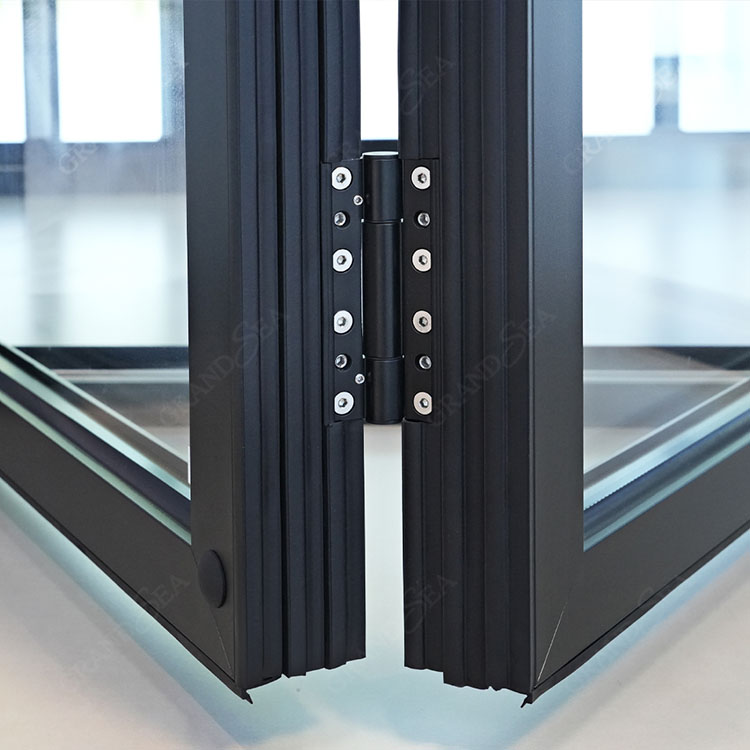
Hardware does more than just open and close your windows. It also changes how your windows look and work. Good hardware makes windows easy to use and keeps them safe. It also gives a nice finish. You can pick modern cranks for a simple style. Or you can choose lever handles for a classic look. Good hardware helps keep your house safe and saves energy. If you install it right, your windows will last longer. The handles and locks you pick can match your home’s style.
Customization
You can change your aluminum windows to fit your ideas. Here are some things you can choose:
|
Customization Option
|
Description
|
|
Color Finishes
|
Pick powder-coated or painted finishes to match your home
|
|
Hardware Choices
|
Choose modern or classic handles and locks
|
|
Creative Configurations
|
Mix window types for a special look
|
|
Glazing Options
|
Pick double or triple glazing, tinted glass, or Low-E for better insulation
|
You can add grids for a classic look. You can also mix window shapes for a special design. Custom glazing helps keep your house warm or cool and saves energy. This makes your home more comfy all year.
Installation Tips for Aluminium Casement Windows
Getting the right fit for your aluminium casement window makes a big difference in how well it works. If you want to enjoy the best energy efficiency and comfort in your home, you need to follow some key installation tips. Let’s break down what you should do before, during, and after installation.
Measuring for Fit
You want your windows to fit perfectly. Start by gathering a metal measuring tape, a pen, and a ladder if you need one. Measure the width, height, and depth of the opening. Take measurements at three different points for both width and height. Always use the smallest number and round down to the nearest 1/8 inch. Check that the opening is square by measuring diagonally from corner to corner. If you have more than one panel, record each size and note the center post. Double-check your numbers before you order. Precision matters here. If you want to avoid costly mistakes, you can ask a professional to measure for you.
Tip: Careful measuring helps you get a proper installation and a snug fit, which means fewer drafts and better energy efficiency.
Choosing a Qualified Installer
A good installer makes sure your windows fit right and work well. Look for someone with experience in aluminum window installation. Ask for references and check reviews. A skilled installer will measure again before starting, making sure every window fits the opening. They will also use the right tools and follow the best installation tips. This helps you avoid leaks and keeps your home safe. If you want proper installation, don’t rush this step.
Post-Installation Care
After installation, you want your windows to last. Here are some easy steps to keep them in top shape:
-
Clean the frames with a soft cloth and mild soap at least twice a year.
-
Lubricate moving parts so they open and close smoothly.
-
Inspect for damage or rust every six months.
-
Remove dust and debris from the tracks.
-
Check seals and weatherstripping for cracks and fix them if needed.
-
Tighten any loose screws or hinges.
-
Make sure locks and latches work well.
If you follow these installation tips, your aluminium casement window will keep its fit and performance for years. You will enjoy a comfortable, energy-efficient home with windows that look and work like new.
You want the best aluminium casement window for your house. Here are some easy steps to help you. First, check the material quality. Next, look at energy efficiency. Then, think about the design and security. Also, see how much care and money it needs. Here is a simple guide:
|
Step
|
What to Do
|
|
Material Quality
|
Pick certified aluminium profiles
|
|
Energy Efficiency
|
Find thermal breaks and good glazing
|
|
Security
|
Choose strong locks and tight seals
|
|
Design
|
Match colors and styles to your home
|
|
Installation
|
Measure well and hire good experts
|
If you choose quality, comfort, and style, your windows will last long and look nice. Ask experts for help so your windows get put in the right way.
FAQ
How long do aluminum casement windows last?
You can expect your aluminum casement windows to last 30 to 50 years. They resist rust and warping. You do not need to paint them. Just clean them sometimes to keep them looking new.
Are aluminum casement windows energy efficient?
Yes, they are! If you pick double or triple glazing and thermal breaks, your windows will help keep your home warm in winter and cool in summer. You will also save money on energy bills.
Can I customize the color of my aluminum windows?
Absolutely! You can choose from many colors and finishes. Pick a classic white, bold black, or even a custom shade. This helps your windows match your home’s style inside and out.
Do aluminum casement windows need a lot of maintenance?
No, they do not. You only need to clean the frames and glass with mild soap and water. Oil the moving parts once a year. Check the seals sometimes. That’s it!