Introducing Lightweight MCM Split Brick The Future of Wall Tile Innovation?

In the world of architecture and interior design, innovation is a driving force. As technology advances, new materials and techniques are constantly being developed to push the boundaries of what is possible. One such innovation that is making waves in the industry is the introduction of Lightweight MCM Split Brick, a durable and flexible wall tile that is revolutionizing the way we think about outdoor wall decoration.

What is Lightweight MCM Split Brick?

Lightweight MCM Split Brick is a new type of wall tile that combines the best of both worlds: flexibility and durability. Made from lightweight materials, it offers the advantage of easy handling and installation, while still maintaining the strength and endurance of traditional brick tiles. This innovation allows architects and designers to create stunning outdoor wall decorations that are not only aesthetically pleasing but also practical and long-lasting.

Unleashing Design Possibilities

One of the key features of Lightweight MCM Split Brick is its flexibility. Unlike traditional bricks, which are rigid and limit design options, this new tile can be cut and shaped easily, opening up a world of possibilities for creative expression. Whether you want to create intricate patterns or experiment with unconventional designs, Lightweight MCM Split Brick gives you the freedom to turn your imagination into reality.

Durable and Safe

While flexibility is an important aspect, durability is equally crucial, especially for outdoor installations. Lightweight MCM Split Brick is built to withstand the elements, making it a perfect choice for outdoor wall decoration. Its high safety standards ensure that the tiles are resistant to fire, water, and weathering, providing long-term protection and structural integrity.

The Advantages of Lightweight

The lightweight nature of MCM Split Brick offers several advantages. Firstly, it reduces the load on structures, making it easier to handle during installation and transportation. This not only saves time but also minimizes the risk of accidents onsite. Additionally, the reduced weight also contributes to cost savings in terms of construction materials and logistics.

A Sustainable Choice

In an era where sustainable practices are gaining importance, Lightweight MCM Split Brick shines as an eco-friendly option. Its composition of lightweight materials not only reduces carbon emissions during production but also minimizes the use of natural resources. Furthermore, its long lifespan and durability contribute to a lower environmental impact.

In Conclusion

The introduction of Lightweight MCM Split Brick is a game-changer for the world of wall tile innovation. Its flexibility, durability, and lightweight nature open up a myriad of design possibilities and offer numerous practical advantages. As architects and designers seek innovative solutions for outdoor wall decorations, this new tile will undoubtedly become a go-to choice. So, why settle for traditional bricks when you can embrace the future of wall tile innovation?

Advancements in Material Science for Cement Silos Steel, Anti-corrosion Materials, and Sustainability

Cement silos play an important role in storing cement and ensuring a steady supply for construction projects. The advancements in material science have significantly contributed to improving the performance and longevity of these structures. We will explore the three main aspects of material science progress in cement silos: the enhancement of steel properties, the application of innovative anti-corrosion materials, and the development of eco-friendly materials. Let's explore these advancements that have bolstered the durability, safety, and sustainability of cement storage silos.


Enhancement of Steel Properties: The continuous progress in alloying techniques has revolutionized steel's strength and corrosion resistance. By incorporating appropriate alloying elements such as chromium, nickel, and molybdenum, the strength and corrosion resistance of steel have been significantly enhanced. This advancement is of importance for powder silos as they need to withstand high pressure and corrosive environments. For instance, the addition of molybdenum in steel increases its resistance to chemical corrosion, thereby prolonging the lifespan of cement silo tank.

The utilization of heat treatment processes is another vital means to improve steel properties. Techniques like quenching and tempering modify the steel's microstructure, leading to improved hardness, toughness, and abrasion resistance. These enhanced properties contribute to the longevity and safety of cement tower silos, allowing them to endure the demanding conditions they are subjected to throughout their service life.


Surface treatment technologies also play a pivotal role in material science progress for bulk cement silos. Galvanization and anti-corrosion coatings effectively prevent steel corrosion and wear. The wide-scale adoption of these techniques in the manufacturing of cement silos enhances their durability and extends their service life. For example, the application of corrosion-resistant coatings protects the exterior of concrete silo tower from environmental factors, ensuring their structural integrity over time.


Application of Innovative Anti-corrosion Materials: In the pursuit of superior corrosion protection for cement silos, innovative materials have emerged as effective solutions. Among them, epoxy materials stand out as highly efficient anti-corrosion materials due to their acid resistance, alkali resistance, and overall exceptional performance. Epoxy materials find widespread application as coatings for the interior walls and bottoms of cement silos. The multi-layered cross-linked coating formed by epoxy materials exhibits high strength and adhesion, providing long-term corrosion protection.

Fiber-reinforced plastic (FRP) materials, composed of glass fibers and resin, have also played a vital role in the protection of cement silos against corrosion. By reinforcing the surface of cement silos with FRP materials, their strength is increased, and deformation caused by internal pressure is reduced. This innovative approach further enhances the structural integrity of cement silos, ensuring their reliability and longevity.


Furthermore, specialized anti-corrosion coatings have been developed exclusively for cement silos. These coatings, made from epoxy resin, polyurethane, acrylic, and other materials, possess excellent corrosion resistance, scratch resistance, and wear resistance. They effectively safeguard cement silos against corrosion and enhance their aesthetic appeal. Think of these coatings as a shield that not only protects the silos but also adds to their visual appeal.


The material science advancements in cement silos are primarily reflected in the improvement of steel properties, the application of innovative anti-corrosion materials, and the development of eco-friendly materials. These advancements not only enhance the durability, safety, and environmental impact of cement silos but also contribute to the sustainable development of the construction industry. Embracing these advancements ensures that cement silos continue to serve as reliable storage structures that support construction projects while minimizing their ecological footprint.

blending silo in cement plant concrete silo tower

Enhancing Road Safety with Intelligent Monitoring and Warning Systems

Intelligent Monitoring and Warning Systems within road safety barriers or guardrails are a recent and important technological innovation in the field of road safety. By integrating modern technologies such as information technology, the Internet of Things (IoT), big data analytics, and artificial intelligence (AI), these systems enable real-time monitoring and prediction of road traffic conditions, effectively enhancing road safety levels. We will explore the composition, working principles, advantages, application scenarios, specific functionalities, and future trends of these intelligent systems.


Intelligent monitoring and warning systems consist of several key components. Firstly, a sensor network includes high-precision sensors, radars, and cameras installed on road safety barriers or in the surrounding areas to collect real-time traffic data such as vehicle speed, location, density, road conditions, and weather conditions. Secondly, a data transmission network utilizes wireless communication technologies like 4G/5G, Wi-Fi, or LoRa to transmit the sensor-collected data in real-time to data centers or cloud servers for processing. Thirdly, a data processing and analysis platform employs big data analytics and AI algorithms to deeply analyze the received traffic data, identify potential safety hazards, and predict potential traffic incidents. Lastly, a warning information dissemination system alerts drivers and management departments through various channels such as sound, lights, electronic displays, in-vehicle navigation systems, and mobile applications once abnormal situations or potential risks are detected.


Intelligent monitoring and warning systems offer significant advantages and find wide application in various scenarios. These systems provide comprehensive coverage by monitoring not only vehicle conditions but also road conditions, weather conditions, and driver behaviors, establishing a multidimensional and comprehensive safety monitoring network. Additionally, they offer real-time data processing and analysis, ensuring timely and effective warning information. By utilizing big data analysis and AI algorithms, these systems provide precise and accurate predictions of potential traffic incidents, offering decision-makers a scientifically supported basis for proactive measures. Moreover, these systems can be applied on highways, urban expressways, bridges, tunnels, and in challenging environmental conditions such as severe weather, night driving, and dense fog, ensuring traffic safety in diverse situations.


Intelligent monitoring and warning systems provide a range of practical functionalities and have the potential for future advancements. These systems can prevent accidents by continuously monitoring vehicle trajectories, speeds, and other key parameters, proactively warning against high-risk behaviors. They can also respond to adverse weather conditions by integrating meteorological data and providing timely warnings to guide drivers in adjusting their travel plans. Furthermore, these systems contribute to road maintenance and emergency response by promptly detecting road damages, notifying maintenance departments, and quickly locating accident sites, thus reducing rescue time. As for future trends, the integration of these systems with autonomous driving technology will provide precise and reliable safety measures for autonomous vehicles. Additionally, advancements in IoT, big data analytics, AI, and other technologies will enable these systems to deliver more intelligent and personalized services, meeting the diverse needs of various user groups. Integrating these systems with smart city initiatives will further enhance urban traffic management systems, making cities safer and transportation more efficient.


Intelligent Monitoring and Warning Systems within road safety barriers or guardrails demonstrate the importance of technological innovation in road safety. These systems, with their advanced technologies and comprehensive nature, significantly enhance road safety levels by monitoring and predicting road traffic conditions in real-time. With the integration of autonomous driving technology and the further application of IoT, big data analytics, and AI, these systems will continue to play a vital role in ensuring road safety and offer improved services for a safer and more efficient transportation experience.

Galvanized Highway Guardrail Galvanized Highway Guardrail

New Materials Research and Development Driving Technological Advancement in the Grating Industry

The development of new materials in the grating industry is a vital driving force behind technological progress and advancement. We will delve into the significance of new material research and explore the main directions it is taking.


Background and Significance of New Materials Research


With the advancement of technology and industrial development, there is an increasing demand for improved performance in grating materials. Traditional materials may have limitations in specific environments, such as corrosion resistance, load-bearing capacity, and wear resistance. Consequently, the research and development of new materials have become a key approach to address these challenges and enhance the overall performance of steel gratings.


Main Directions of New Materials Research


High-performance alloy materials: Developing alloys with higher strength, improved corrosion resistance, and enhanced wear resistance can prolong the lifespan of gratings and broaden their applications in various harsh environments. These alloys can be created by incorporating specific elements or utilizing special manufacturing processes.

For example, by adding specific elements like chromium and molybdenum to steel, a corrosion-resistant alloy can be produced, resulting in stainless steel gratings. These gratings not only exhibit exceptional corrosion resistance but also possess aesthetic appeal and durability, making them suitable for high-demand scenarios.


Composite materials: By combining the advantages of different materials, researchers are striving to create superior composite gratings. One example is the incorporation of metals with high polymer materials or ceramics to form composite gratings that possess excellent mechanical properties, corrosion resistance, and wear resistance. These composite gratings find applications in challenging environments like the chemical and maritime industries.

For instance, fiberglass-reinforced plastic (FRP) gratings and carbon fiber-reinforced plastic (CFRP) gratings are emerging as alternatives to traditional steel gratings. These composite gratings offer exceptional mechanical performance, corrosion resistance, and weather resistance, making them highly suitable for corrosive or harsh environments.


Environmentally friendly materials: With a focus on meeting performance requirements while considering the ecological impact, researchers are working on developing recyclable, biodegradable, or low-pollution grating materials. These materials aim to align with global demands for environmental protection and sustainable development.

Application Examples of New Materials Research


Stainless steel gratings: Stainless steel, a common corrosion-resistant material, is extensively used in grating manufacturing. Stainless steel gratings offer not only excellent corrosion resistance but also aesthetics and durability, making them suitable for various applications with higher requirements.


Aluminum alloy gratings: In recent years, aluminum alloy gratings have gained popularity due to their lightweight nature, high strength, and corrosion resistance. They are particularly suitable for applications that require reduced structural weight and improved installation efficiency, such as high-rise buildings and bridges.


Innovative composite material gratings: Some companies are exploring the application of composite materials in grating manufacturing. For example, fiberglass-reinforced plastic (FRP) gratings and carbon fiber-reinforced plastic (CFRP) gratings exhibit exceptional mechanical properties, corrosion resistance, and weather resistance. They are ideal for challenging environments found in industries like chemistry and marine operations.


Challenges and Future Prospects in New Materials Research


While new materials research brings numerous opportunities to the grating industry, there are also several challenges to overcome. For instance, the cost of new materials may be high, necessitating innovative technologies and large-scale production to reduce costs. Additionally, the performance of new materials must undergo rigorous testing to ensure stability and reliability in practical applications. Moreover, attention must be given to the environmental and sustainability aspects of new materials to align with global demands for green development.


Looking ahead, with continuous technological progress and accelerated industrialization, new materials research in the grating industry is expected to become more diversified, high-performing, and environmentally friendly. Through sustained innovation and research investments, we believe that more new materials will emerge, injecting new vitality and driving force into the development of the grating industry.

steel walkway grating heavy duty grating

The Intelligent Development of Industrial Dust Collectors

The intelligent development of industrial dust collectors is a key trend in the field of environmental protection equipment and smart manufacturing. This trend encompasses not only technological innovations but also profound impacts on product performance, applications, and the overall industry. We will delve into the detailed discussion on the intelligent development of industrial dust collectors, exploring the technological advancements, expanded product performance and application areas, as well as the future prospects of this industry.


Technological Advancements in Intelligent Dust Collectors: At the technical level, intelligent innovations in industrial dust collectors have been introduced, such as the integration of Internet of Things (IoT) and big data. By utilizing IoT technology, industrial dust collectors can transmit key data, including operating status, dust removal efficiency, and dust concentration, in real-time to cloud servers. This real-time data transmission capability enables remote monitoring of production conditions, facilitating timely adjustments to production plans and optimizing resource allocation.


Furthermore, through big data analysis, the system can predict equipment failures and arrange preventive maintenance in advance, ensuring continuous and stable operation of the production line. This intelligent management approach not only improves production efficiency but also reduces operational costs and enhances an enterprise's market competitiveness.


Intelligent Control Systems: Traditional dust collection devices like pulse bag filters have also started incorporating intelligent control systems. These systems employ advanced sensor technology and algorithms to monitor dust concentration, particle size, and distribution in real-time. As a result, the dust collector's working status, such as ash cleaning cycles and pulse injection time, can be automatically adjusted to achieve optimal dust removal efficiency.


Intelligent control systems also enable fault diagnosis and early warnings, allowing for prompt detection and handling of problems, thereby improving the equipment's reliability and stability. For instance, an intelligent control system in a dust collector can identify clogged filters and initiate cleaning procedures before they compromise the system's performance. To illustrate the impact of intelligent dust collectors, let's consider the application of intelligent robotic polishing dust collectors. These systems integrate high-precision sensors and advanced machine vision capabilities. They perform three-dimensional scanning and precise positioning of workpiece surfaces, enabling automated operations based on predetermined polishing paths and force. This level of automation significantly enhances the precision and consistency of the polishing process, reducing human error rates.


Expanded Product Performance and Application Areas: The integration of intelligent technologies has allowed industrial dust collectors to achieve high dust removal efficiency while minimizing energy consumption, promoting green production. By dynamically adjusting operational parameters and optimizing dust removal strategies based on actual working conditions, dust collectors can avoid unnecessary energy waste.


With the maturity of intelligent technologies, the application areas of industrial dust collectors have also expanded. In addition to traditional industries such as mining, metallurgy, and building materials, dust collectors are increasingly being utilized in emerging industries like pharmaceuticals, food processing, and electronics. These sectors demand higher performance, stability, and levels of intelligence from dust collectors, thus driving continued innovation and upgrades in dust collection technology.


Future Trends in the Industry: As advancements in artificial intelligence, IoT, and big data continue, the level of intelligence in industrial dust collectors will further improve. In the future, dust collectors will focus on deeper integration with these advanced technologies to achieve a higher level of automation and intelligence.


The growing stringency of environmental policies and increasing consumer awareness of environmental protection will contribute to the sustained growth of the industrial dust collector market. Particularly in the development of new energy sources and materials, there will be new growth opportunities for dust collectors.


The intelligent development of dust collectors will also optimize and upgrade the industrial dust collector supply chain. Upstream raw material suppliers will prioritize product quality and performance improvement. Midstream manufacturers will intensify research and development efforts to drive technological innovations and product upgrades. Downstream application sectors will emphasize the intelligent application and management of dust collectors.

The Vital Role of Robotic Arms in Cement Silos

Robotic arms have revolutionized various operations within steel cement silos, particularly in automated loading and unloading, inventory management, and maintenance. We explores the specific functions of robotic arms in cement silo tanks, highlighting their advantages and future prospects.


Automated Loading and Unloading: Robotic arms ensure precise and efficient handling of cement bags and bulk materials, reducing errors and waste. They also lower labor costs and enhance safety by minimizing human presence in potentially hazardous environments.


Inventory Management: Robotic arms address the challenges of cleaning steel concrete silos by efficiently removing hardened deposits while ensuring worker safety. Their adaptability allows them to reach all corners of the silo tower, achieving thorough cleaning.


Accurate Maintenance and Inspections: Robotic arms equipped with monitoring technology enable real-time inspections, detecting and addressing structural issues promptly. This reduces downtime and maintenance costs inside cement storage silo, while their precise operations minimize human errors.


Future Outlook: As technology advances and costs decrease, robotic arms in cement silos will become increasingly widespread. They are poised for intelligent upgrades, multi-functionality, and enhanced remote control, offering even greater efficiency, versatility, and convenience.


Robotic arms play a vital role in industrial cement silo system, improving efficiency, safety, and cost-effectiveness in loading and unloading, inventory management, and maintenance. The future prospects for robotic arms in cement plant silos are promising, as they continue to advance and offer intelligent upgrades, additional functions, and advanced remote control capabilities. Embracing these technologies allows cement companies to optimize operations, enhance safety, and achieve improved productivity and profitability.

cement silo construction batching plant cement silo

Discover the Excellence of Our Aluminium Products Crafting Quality and Innovation

Discover the Excellence of Our Aluminium Products: Crafting Quality and Innovation


In the world of modern design and manufacturing, the choice of materials can make all the difference. At our company, we take pride in offering a comprehensive range of high-quality aluminium products that cater to various needs and applications. From sleek architectural elements to durable industrial components, our aluminium products are crafted to meet the highest standards of performance and aesthetics. Discover why our aluminium products are the perfect solution for your next project.


Unparalleled Quality and Precision

Our aluminium products stand out due to their exceptional quality and precision. Each piece is manufactured using state-of-the-art technology and stringent quality control processes to ensure that it meets our rigorous standards. Whether you’re looking for Architectural Aluminium Profiles or Industrial Aluminium Profiles, our products are engineered to deliver superior performance and reliability.


Architectural Aluminium Profiles are essential for creating stunning and functional designs in construction and interior design. Our range includes profiles for:

Window Frames and Curtain Walls: Enhance the aesthetic appeal and energy efficiency of buildings with our high-quality window frames and curtain walls. Designed for both residential and commercial applications, these profiles offer durability and a sleek look.

Façades: Make a statement with striking building façades that combine style with structural integrity. Our profiles are designed to withstand the elements while adding a modern touch to any building.

Interior Design Elements: From partitions to decorative features, our architectural profiles provide the flexibility and elegance needed to create beautiful and functional indoor spaces.


For industrial applications, our Industrial Aluminium Profiles are designed to meet the demands of rigorous environments. Key features include:

Machinery Frames: Construct robust and reliable frames for machinery with our industrial profiles. Engineered to handle heavy loads and harsh conditions, they ensure the longevity and efficiency of your equipment.

Conveyor Systems: Optimize your material handling with our profiles, which are ideal for constructing conveyor systems that require durability and precision.

Workstations and Racks: Enhance your operational efficiency with customizable workstations and storage racks that offer both strength and flexibility.


Customized Solutions for Every Need

At our company, we understand that each project has unique requirements. That’s why we offer customized solutions to meet your specific needs. Our team of experts is dedicated to providing personalized service, from initial design consultation to final product delivery. Whether you need bespoke aluminium profiles or standard solutions, we work closely with you to ensure that our products align perfectly with your project goals.


Commitment to Sustainability

We are committed to sustainability and environmentally responsible practices. Aluminium is a highly recyclable material, and we strive to minimize our environmental impact by using recycled materials and adopting energy-efficient manufacturing processes. By choosing our aluminium products, you are not only investing in quality but also contributing to a greener future.


Why Choose Us?

Expertise and Experience: With years of experience in the industry, we bring unparalleled expertise to every project.

Innovative Solutions: Our products incorporate the latest advancements in technology and design.

Customer Satisfaction: We prioritize your satisfaction and are dedicated to providing exceptional service and support.

Competitive Pricing: Enjoy high-quality products at competitive prices, offering great value for your investment.


Elevate your next project with our premium aluminium products. Explore our range today and experience the excellence of our aluminium products. Contact us to discuss your requirements and discover how we can help you achieve your project goals with precision and style.

Introduction of Porcelain Tiles 60x120 Are Grey Polished Tiles Worth It?

With the increasing variety of tile options available in the market, choosing the right one for your home or office can be a daunting task. One popular choice that combines both elegance and durability is the porcelain tile. Among the various sizes and styles available, the 60x120 porcelain tiles have gained significant popularity due to their larger dimensions and versatility. In particular, the grey polished tile in this size has caught the attention of many interior designers and homeowners alike. But are they truly worth considering?

1. What makes the 60x120 porcelain tiles stand out?

The 60x120 size of porcelain tiles offers a unique visual appeal to any interior space. The large format tiles create a sense of grandeur and can visually expand the area, making it appear more spacious. Whether it’s for flooring, walls, or even countertops, the larger size of these tiles adds a touch of sophistication and modernity to any room.

2. Why choose grey polished tiles?

Grey is a versatile color, known for its ability to complement a wide range of interior styles. The polished finish adds a reflective quality, bringing a luxurious and glossy look to your space. The combination of the grey color and polished finish creates a contemporary and timeless aesthetic that will effortlessly blend with various design themes, from minimalist to industrial or even classic.

3. The benefits of porcelain tiles: durability and low maintenance

One of the key advantages of porcelain tiles is their exceptional durability. Made from high-quality ceramic materials, these tiles are hardened at high temperatures, making them resistant to scratches, stains, and chips. This makes them an ideal choice for high-traffic areas such as hallways, kitchens, and bathrooms. Additionally, porcelain tiles are water-resistant, making them suitable for both indoor and outdoor applications.

Apart from their durability, porcelain tiles are also incredibly low maintenance. Their smooth surface prevents dirt and grime from penetrating and is easy to clean with regular sweeping or mopping. Unlike other flooring options, porcelain tiles do not require regular sealing or waxing, saving you both time and additional maintenance costs.

4. Are 60x120 porcelain tiles affordable?

Despite their high quality and numerous benefits, porcelain tiles, including the 60x120 size, can be surprisingly affordable. With advancements in technology and production processes, high-quality tiles with competitive prices have become more accessible. It is now possible to find cost-effective options without compromising on the outstanding characteristics of porcelain.

In conclusion, grey polished 60x120 porcelain tiles offer a blend of elegance, durability, and affordability.

Whether you are renovating your home or designing a commercial space, adding a touch of luxury and sophistication is easily achievable with grey polished 60x120 porcelain tiles. With their larger size and polished finish, they create an alluring aesthetic that can elevate the style of any room. Moreover, their durability and low maintenance qualities make them a practical and long-lasting choice. So, if you are seeking a tile option that combines beauty, functionality, and affordability, grey polished 60x120 porcelain tiles should definitely be on your list!

Aluminum Roof Truss and Stage Truss System The Ultimate Guide

Are you in search of an efficient and reliable stage truss system for your next event? Look no further than aluminum roof truss, the go-to choice for professional stage productions and events worldwide. In this comprehensive guide, we will explore the benefits, applications, and top manufacturers of aluminum roof truss, along with insights into disco lighting truss, outdoor stage truss, and lighting tower truss. So let’s dive in!

Understanding Aluminum Roof Truss

Aluminum roof truss is a versatile and sturdy structure used in various event setups, including concerts, festivals, exhibitions, and even trade show booths. Its lightweight construction, combined with exceptional strength, makes it a preferred choice for stage truss systems. The aluminum material also provides excellent resistance to corrosion, ensuring a long-lasting and reliable solution for any event.

The Benefits of Aluminum Roof Truss

  1. Durability: Aluminum roof truss offers an impressive strength-to-weight ratio, providing a stable and secure platform for hanging heavy equipment like lighting fixtures, speakers, and LED screens.

  2. Versatility: With modular components and a range of available shapes and sizes, aluminum roof truss can be customized to meet various stage design requirements. It allows for easy assembly and disassembly, making it an ideal choice for portable staging solutions.

  3. Cost-effectiveness: Aluminum roof truss is a cost-effective option, as it requires less maintenance compared to traditional truss systems. Its durable construction ensures a long lifespan, reducing the need for frequent replacements.

  4. Flexibility: Being lightweight, aluminum truss is easy to transport, saving on transportation costs. It’s also highly adaptable, allowing for creative stage design layouts to enhance the overall visual impact of the production.

Applications of Aluminum Roof Truss

  1. Concerts and Festivals: Aluminum roof truss forms the backbone of stage setups for large-scale concerts and music festivals worldwide. It provides rigging options for lighting, sound systems, LED screens, and other essential equipment.

  2. Exhibitions and Trade Shows: Whether you need to build an impressive booth or create an attention-grabbing display, aluminum roof truss offers a reliable and aesthetically pleasing solution. It allows for easy integration of signage, banners, and other promotional materials.

  3. Theater Productions: Aluminum roof truss serves as a critical component in theater productions, enabling complex set designs and seamless integration of lighting and sound equipment. Its structural integrity ensures the safety of performers and crew.

Top Manufacturers of Aluminum Roof Truss and Stage Truss Systems

  1. Global Truss: Known for their commitment to quality and reliability, Global Truss offers a wide range of aluminum truss systems suitable for various event types. They provide durable products with rigorous safety standards.

  2. Prolyte: With a focus on innovative design and engineering, Prolyte manufactures aluminum roof truss systems that excel in strength and versatility. Their products are widely used in the entertainment industry.

  3. Bolton Truss: Bolton Truss specializes in manufacturing high-quality aluminum truss systems that adhere to strict safety regulations. Their products are trusted by professionals worldwide for their durability and ease of use.

Conclusion

When it comes to stage truss systems, aluminum roof truss stands out as a superior choice with its durability, versatility, and cost-effectiveness. Whether you’re organizing a concert, exhibition, or theater production, investing in a reliable aluminum truss system ensures a safe and visually appealing setup. Remember to consult reputable manufacturers like Global Truss, Prolyte, and Bolton Truss to ensure top-notch quality and peace of mind for your next event. Now, get ready to transform any space into a captivating stage with the power of aluminum roof truss!

Is using a yoga ball as a chair good for you?

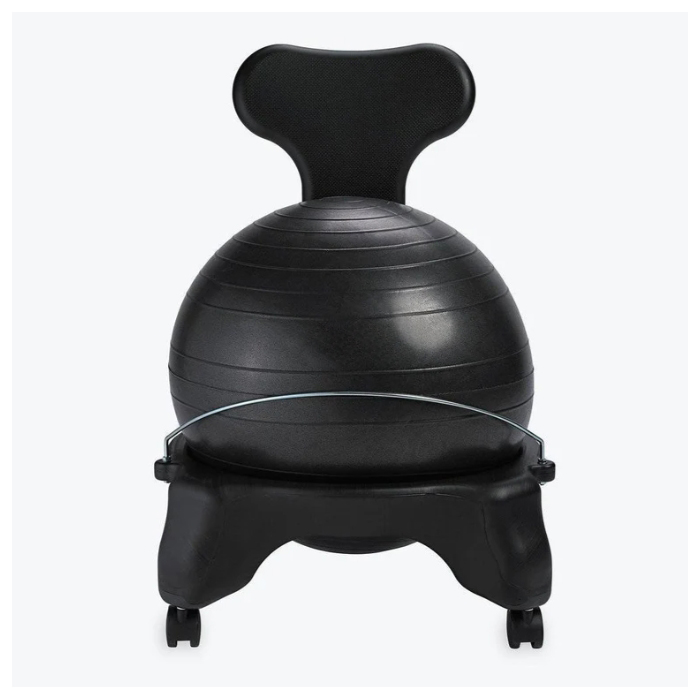
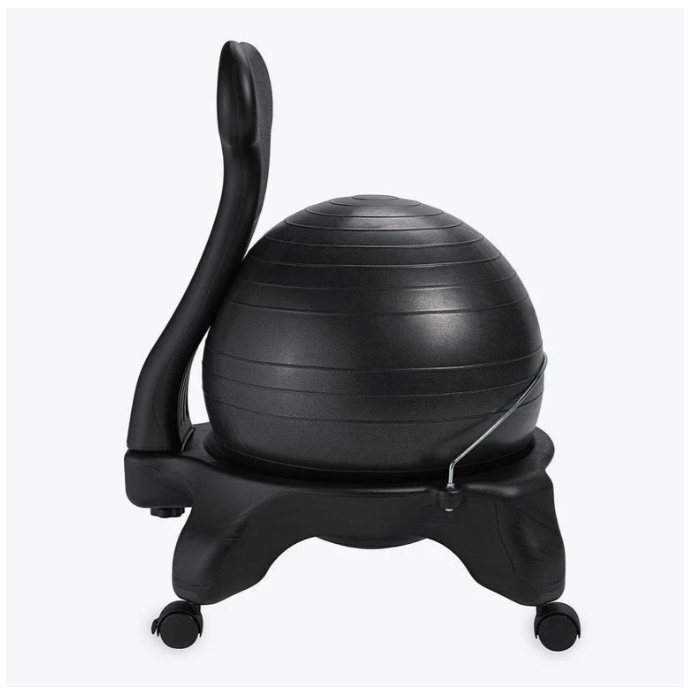
PinGer Adjustable Back Yoga Ball Chair


The PinGer Adjustable Fit Ball Chair creates more dynamic seating by engaging the trunk muscles to strengthen the core and help improve posture and spinal alignment.


ALTERNATIVE DESK CHAIR: Created by leading health & fitness experts to improve overall well-being and provide an active outlet for having to sit for long periods of time


BOOST ENERGY LEVELS: Featuring the same yoga ball as the exercise guide, this chair helps to boost energy levels and increase productivity with an active body and a focused and engaged mind

RECOMMENDED USER HEIGHT: Designed for users 5' to 5'11" tall and fits most standard-height desks. 300-pound weight capacity

INCLUDES: Removable 50-centimeter exercise ball, an air pump, an adjustable metal support bar, 4 easy-glide casters and a desktop exercise guide to staying active


INFLATION INSTRUCTIONS: It may be necessary to re-inflate the ball after initial inflation to allow the balls material to stretch to its final size. Inflate ball with air, let stand for 24 hours, deflate 50% then fill again to 52cm height