Different Surface Finishes of WPC Decking Boards

You can choose from various surface textures for your terrace boards to enhance their aesthetics.


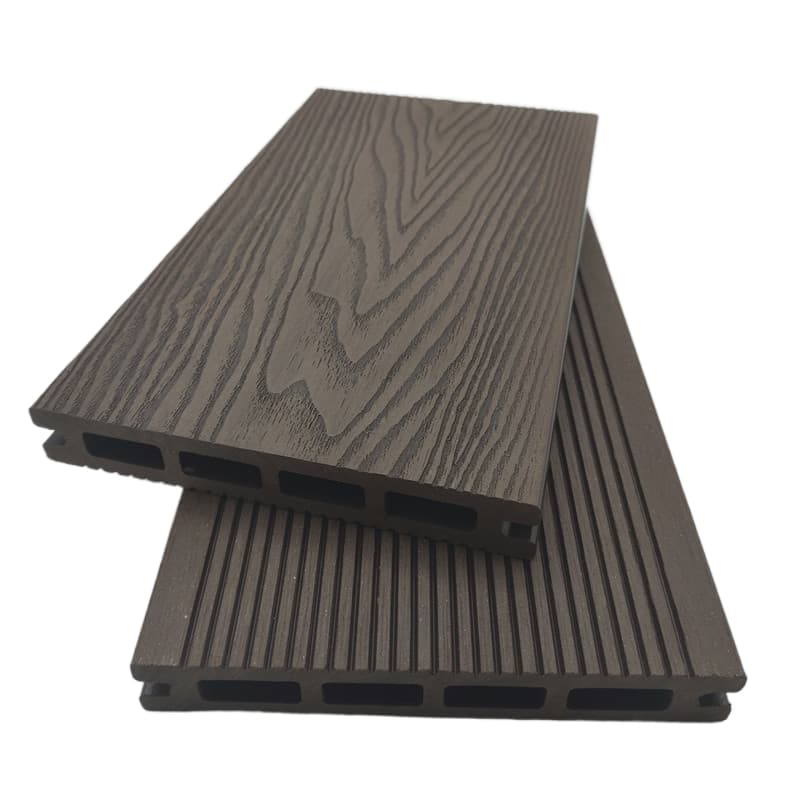
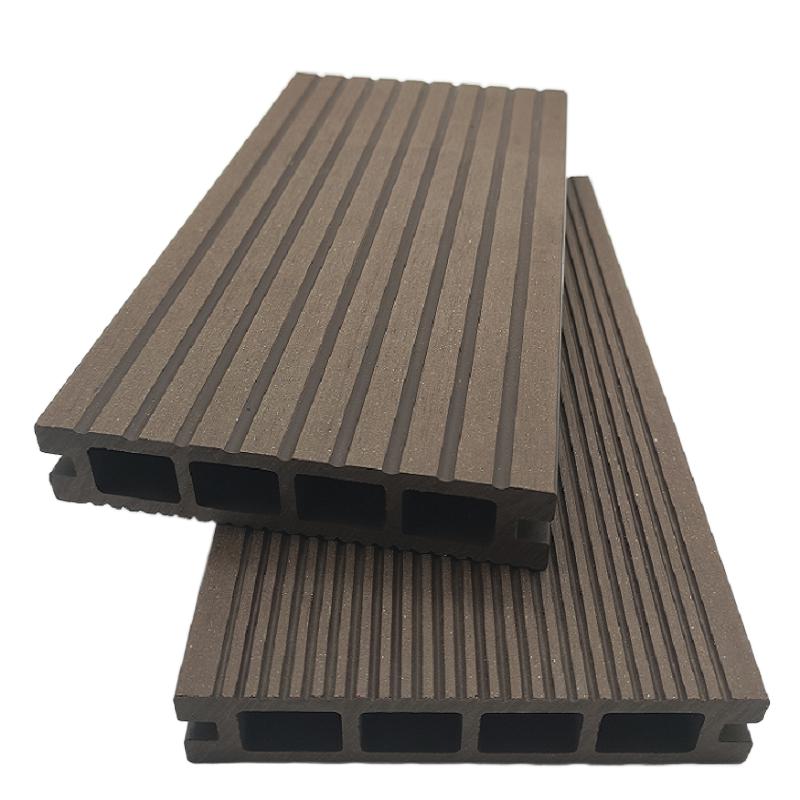
(1)Grooved Decking Boards

The grooved surface is the classic option. It is slightly more slippery than the smooth surface because water can accumulate in the grooves.Their surface presents a woody texture, close to nature


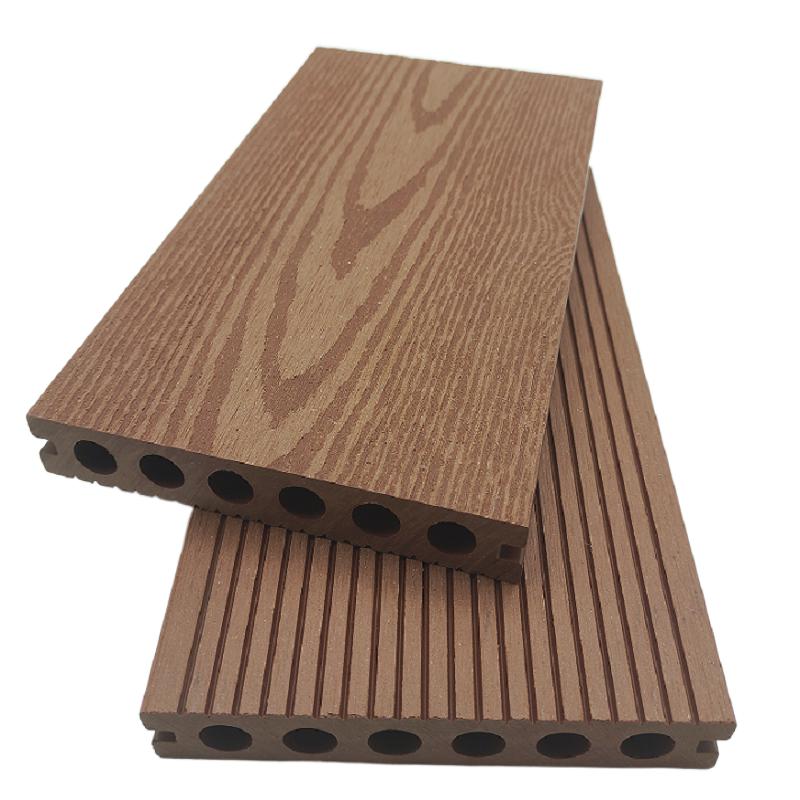
(2) Embossed Decking Boards Divided into 2D embossing and 3D embossing

2D embossed:This pattern is printed and dyed at high temperatures, and in general, the pattern can last up to one year

3D embossed:This pattern lasts for a long time and will never disappear for life

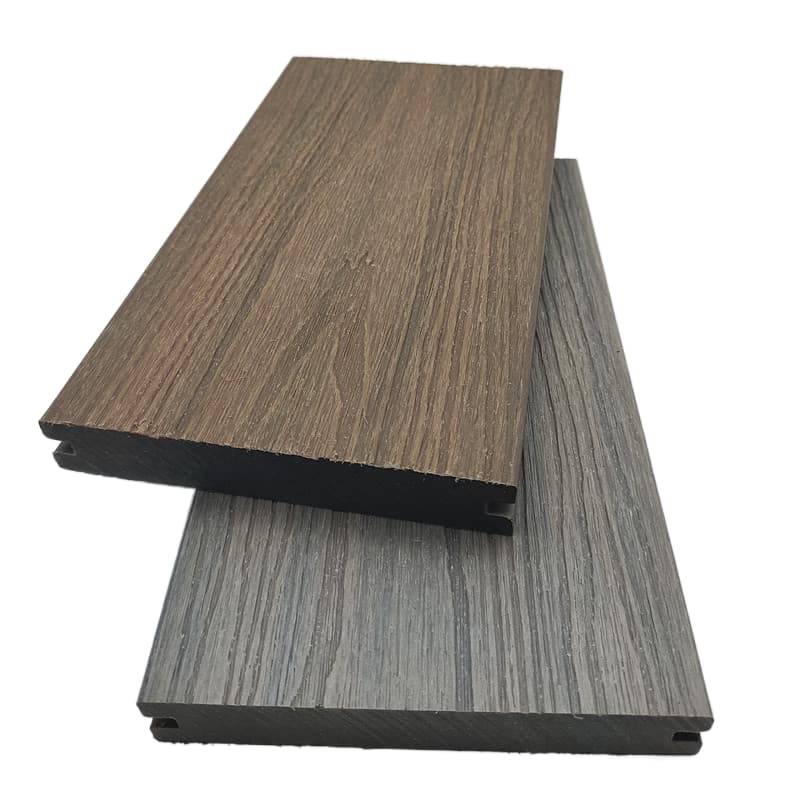
(3)CO-EXTRUSION 

The co-extrusion process involves layering an outer shell or cap over a core material, resulting in a decking board that is highly resistant to fading, staining, and moisture damage. The outer shell provides enhanced protection against UV rays, preventing color fading and maintaining the vibrant look of the deck over time. The core material, usually a composite of wood fibers and plastic, ensures structural integrity and stability.


Germany's Novel Alloy Smelting Process A New Chapter in Green Transformation

In the extensive history of metal manufacturing, alloy smelting has always been a critical yet complex process. Traditional methods heavily rely on high-temperature melting, which not only consumes vast amounts of energy but also emits significant quantities of carbon dioxide. As global attention towards environmental protection and sustainable development intensifies, the quest for a greener, more efficient alloy smelting process has become an urgent need within the industry. It is against this backdrop that an innovative achievement from German researchers has garnered widespread attention—a novel alloy smelting process has emerged.


Germany's Path to Green Smelting Innovation


Germany's novel alloy smelting process, in essence, discards the traditional high-temperature melting approach and instead utilizes hydrogen as a reducing agent to directly convert solid metal oxides into blocky alloys at lower temperatures. This shift, though seemingly simple, embodies immense technological advancements and environmental significance. Firstly, the low-temperature operation drastically reduces energy consumption, thereby mitigating greenhouse gas emissions. Secondly, the use of hydrogen further enhances the cleanliness of the smelting process, as the reaction between hydrogen and metal oxides produces harmless water vapor. More importantly, the alloys produced through this new process are not inferior to those made by traditional methods, and in some aspects, even exhibit superior mechanical properties. All of these factors make Germany's novel alloy smelting process a significant milestone in the green transformation of the metal manufacturing industry.


Imagine a factory where instead of roaring furnaces and clouds of smoke, there are quiet machines working efficiently at lower temperatures, producing alloys that are both environmentally friendly and high-performing. This is the vision that Germany's new smelting process embodies, and it's a vision that resonates with the aspirations of many in the industry and beyond.


The Nexus between the Novel Process and Metal Parts Fabrication Processing


The integration of Germany's novel alloy smelting process into metal parts fabrication processing represents a pivotal shift in the industry's value chain. Traditional metal parts fabrication processing often starts with the smelting of raw materials into alloys, which are then shaped, machined, and finished into various parts. However, the limitations of conventional smelting methods, such as high energy consumption and environmental impact, can impose constraints on the efficiency and sustainability of the entire process.


The advent of this novel alloy smelting process presents a game-changing opportunity. By producing alloys with enhanced mechanical properties and reduced environmental footprint, it lays the foundation for more efficient and environmentally responsible metal component processing. For instance, the use of these alloys in automotive components could lead to lighter, stronger vehicles with improved fuel efficiency, thereby reducing greenhouse gas emissions over their lifecycles. Similarly, in aerospace, the adoption of these alloys could enable the design of more efficient aircraft structures, contributing to the industry's ongoing pursuit of sustainability.


Moreover, the novel process's ability to produce alloys at lower temperatures may also streamline downstream processing steps. Lower-temperature alloys may require less energy for shaping and machining, reducing overall costs and enhancing productivity. Additionally, the cleanliness of the alloys could minimize the need for post-processing treatments like pickling or descaling, further reducing waste and environmental impact.


The relationship between Germany's novel alloy smelting process and metal parts fabrication processing is one of mutual enhancement. By producing superior alloys with reduced environmental burden, this process sets the stage for more sustainable and efficient metal component processing across various industries. It's a testament to the power of innovation in driving forward the green transformation of the metal manufacturing sector.

How to Reduce Quotes for Steel Structure Buildings Practical Advice from Steel Structure Companies

In today's rapidly developing economy, the energy crisis and cost control have become challenges that every enterprise must face. Steel structure buildings, known for their high strength, quick construction, and recyclability, are widely used in industrial and civil construction. However, how to effectively control the cost of steel structure projects and enhance the economic benefits is a question that every professional in the steel frame structure industry needs to consider.


1. Selection of Column Spacing

The choice of column spacing is one of the key factors affecting the quotation of steel structure projects. The selection of economic column spacing can significantly reduce the amount of steel used, thereby reducing the project cost. According to research, the economic column spacing under standard load is usually between 8 to 9 meters. Beyond this range, the steel consumption of the roof purlins and wall frame systems will increase significantly, leading to uneconomical comprehensive costs.


For instance, for a workshop with a load of more than 10 tons, the economic column spacing is recommended to be between 6 to 7 meters. Additionally, if unequal column spacing is required, it is suggested to design the end span to be smaller than the middle span. This can make the roof purlins design more convenient and save materials when using continuous purlin design in steel structure buildings.


2. Determination of Reasonable Span

The choice of span also has a significant impact on costs. With a certain column height and load, appropriately increasing the span can not only save space but also reduce the foundation cost, improving the overall benefit. For example, when designing a portal frame, the reasonable span should be determined based on the height of the building. Blindly pursuing a large span is not the best choice, as it may lead to material waste and increased costs in steel structure buildings.


3. Selection of Roof Slope

The roof slope has a significant impact on the steel consumption of the frame. Research indicates that a slope of 1/10 to 1/30 is the most economical. For single-span frames, increasing the roof slope is an effective way to reduce the weight of the frame, with the greater slope leading to more steel savings. However, for multi-span frames, the situation is reversed; a large slope may increase the length of the inner columns, thereby increasing the steel consumption in steel structure buildings.


4. Selection of Eave Height

The adjustment of eave height also has a significant impact on costs. An increase in eave height will lead to an increase in the steel consumption of wall purlins and columns, thereby increasing costs. Therefore, in the design phase, eave height should be chosen reasonably according to actual needs to avoid unnecessary cost increases in steel structure buildings.


By following the above suggestions, we can effectively reduce the quotes for steel structure buildings while ensuring structural safety and functionality. This not only helps to enhance the competitiveness of enterprises but also promotes the rational use of resources. In practice, it is recommended to cooperate with professional steel structure companies to obtain more professional advice and services. Remember, reasonable design and precise cost control are the keys to reducing quotes for steel structure buildings. Let's work together to contribute to the construction of more economical and environmentally friendly steel structure buildings.

steel structure joint design prefabricated steel construction

Light Steel Frame Structure Workshops Mastering Budgeting and Duration Estimation

In the modern industrial landscape, the prefabricated steel structure workshop has become a popular choice for its rapid construction and robust structural integrity. When embarking on the construction of a lightweight steel structure building, a meticulous budgeting process is essential for managing both the timeline and financial aspects of the project. An accurate budget not only sets the stage for a well-orchestrated construction schedule but also ensures that the project is completed within the projected time-frame.


Key Components in Engineering Volume Budgeting

To achieve a comprehensive budget, consider the following integral parts of a light steel frame structure workshop:

Skeleton System: The backbone of any prefabricated steel structure workshop, this includes the columns, beams, and their connecting elements. Precision in calculating dimensions, quantities, and connection methods is crucial.

Support System: Stability is key, and the support system, including column-to-column and roof supports, plays a vital role. The type, length, and connection methods of these supports must be meticulously calculated.

Maintenance System: The roof and walls' maintenance materials, such as C-shaped steel, purlins, and color steel tiles, not only maintain the structure but also contribute to its aesthetic appeal.

Crane Beam System: For workshops requiring heavy machinery, the crane beam system is indispensable. This includes crane beams, car stops, and connection nodes, which must be calculated based on the specific needs of the workshop.

Color Steel Tile Volume: These tiles are essential for waterproofing and enhancing the building's appearance. The type, quantity, and laying method of the tiles must be accurately accounted for in the budget.


Estimating the Construction Duration

By conducting a detailed calculation of the engineering volume for these components, we can estimate the construction duration. This estimation includes the time required for material procurement, processing, transportation, and installation. It's important to consider various factors that may affect the construction process, such as weather conditions, labor scheduling, and material supply chain management.


The Role of Professional Installation Teams

A professional installation team can significantly impact the construction duration. Their expertise not only speeds up the installation process but also ensures quality, reducing the likelihood of future repairs and rework. Thus, engaging a skilled and experienced team is vital for the timely completion of a lightweight steel structure building.


The budgeting and duration estimation for constructing a light steel frame structure workshop is a complex process that requires careful consideration of various factors. By accurately budgeting and scheduling, you can ensure the project's smooth progress while managing costs and enhancing economic benefits. For further insights into steel structure construction or related project requirements, feel free to explore more resources and engage in deeper discussions.

lightweight galvanized steel structure steel structure platform design

Metal Fabrication The Unsung Hero Behind Solar Mounts

As the solar industry booms, we often marvel at the gleaming solar panels but seldom consider the silent metal supports that hold them up. Today, let's delve into how metal fabrication shapes solar mounts and influences the performance of the entire solar system.


Material Selection: The Cornerstone of Solar Mounts

The choice of materials for solar mounts is the first step in metal fabrication. Stainless steel, aluminum alloy, galvanized steel, and more, each material has its unique advantages and applications. Stainless steel is known for its corrosion resistance, making it ideal for coastal and humid environments; aluminum alloy, with its lightweight and excellent thermal conductivity, is the preferred choice for rooftop solar systems; galvanized steel, with its cost-effectiveness and rust resistance, is widely used across various settings.


Fabrication Precision: A Blend of Accuracy and Innovation

Precision in metal fabrication is key to the quality of solar mounts. From cutting to bending to welding, each step requires meticulous control. Imagine if the welding process is flawed, with defects in the welds, not only does it affect aesthetics, but more importantly, it reduces the load-bearing capacity and lifespan of the mount. This is why metal fabrication companies adopt advanced automation equipment and strict quality control processes to ensure each mount is a masterpiece.


Design and Customization: Meeting Diverse Needs

The design of solar mounts often needs to be customized according to specific application scenarios and customer requirements. Metal fabrication companies must have strong design capabilities and flexible production capabilities to meet the needs of different customers. For instance, in desert regions, mounts may need to be designed to withstand sandstorms; while in coastal areas, corrosion resistance is a key consideration.


Quality Control: Ensuring Safety and Efficiency

Quality control is the lifeline of metal fabrication companies. From the inspection of raw materials to the testing of finished products, every step requires strict oversight. By using automated testing equipment, metal fabrication companies can quickly identify welding defects or material inconsistencies, making timely corrections to ensure the safety and stability of solar mounts.


Environmental and Sustainability: The Future Direction

With increasing environmental awareness, metal fabrication companies are also focusing on environmental protection and sustainability when manufacturing solar mounts. They adopt low-energy, low-emission production processes to reduce environmental impact. At the same time, they actively promote the use of renewable and recycled materials to reduce resource consumption and waste production.


Cost-Effectiveness: The Key to Market Competition

Optimization of metal fabrication processes can reduce the production costs of solar mounts, enhancing the product's market competitiveness. By adopting efficient processing methods and automated production lines, metal fabrication companies can reduce material waste and labor costs, thus providing customers with more cost-effective solar mounts.


Metal fabrication is not just the manufacturing process for solar mounts; it's also a guarantee for the performance and environmental performance of the solar system. As technology continues to advance, metal fabrication will continue to push solar mounts towards higher efficiency and greater environmental friendliness. Let's look forward to the greater role solar mounts and metal fabrication will play in the future solar industry.
Welding and Fabrication Services for Solar Panel Mounts Steel and Metal Fabrication for Solar Mounts

The Heart of Industrial Steel Structures The Mystery of Fabrication Quality

On the modern architectural stage, industrial steel structures have become the preferred choice for industrial construction with their unique advantages such as rapid construction, large space design, and flexible spatial division. But have you ever wondered about the "heart" of these colossal structures—the fabrication quality of steel components—and how it profoundly affects the installation and use of the entire building? Today, let's explore the mystery behind the fabrication quality of industrial steel structures.


Steel Components: The Cornerstone of Structure

The main body of an prefabricated steel framed building is composed of a series of steel components, and the fabrication quality of these components directly relates to the stability and safety of the entire building. Imagine if the straightness of the steel columns is not sufficient, or if the machining precision of the connection holes is not up to par; we might encounter unforeseen difficulties during the installation process, such as components that cannot be correctly connected, or structures that pose safety hazards after installation.


Precise Fabrication: Ensuring Smooth Installation

To ensure a smooth installation process for bolted steel structure, the fabrication of steel components must be impeccable. This includes, but is not limited to:

Straightness and twist of steel columns: Ensuring that the columns stand upright and do not twist under load.

Machining precision of connection holes: Accurate hole positions are key to seamless component connections.

Straightness of roof beams: Guaranteeing the flatness and stability of the roof structure.

Fabrication precision of column and beam connection plates: Directly affecting the load-bearing capacity and durability of the structure.


Quality Inspection: An Indispensable Step

After fabrication, the quality inspection of steel components is equally important. This is not only to confirm dimensions and precision but also to ensure that the fabrication quality meets design requirements. Through rigorous quality inspections, we can identify and correct issues in a timely manner, avoiding unnecessary troubles during installation.


Technological Innovation: Enhancing Fabrication Quality

With the advancement of technology, steel fabrication techniques are continuously improving. Modern fabrication equipment and methods, such as CNC cutting and laser cutting, can significantly increase the precision and efficiency of fabrication. Additionally, the application of BIM (Building Information Modeling) technology makes the design and fabrication process more accurate and efficient.


The fabrication quality of industrial steel structures is like the lifeblood of the building, the source of its vitality. Only by ensuring the fabrication quality of steel components can we construct industrial steel structures that are both aesthetically pleasing and safe. 

steel structure fabrication company steel structure commercial building


Embark on a Sustainable Journey with GreenTech Malaysia 2024

Join us as we usher in a new era of green innovation and technological advancement at GreenTech Malaysia 2024, the premier exhibition dedicated to showcasing the latest in sustainable technologies and eco-friendly solutions. Scheduled to take place from October 9 to 11, 2024, at the prestigious Kuala Lumpur Convention Centre, Hall 5-5308, this annual event promises to be a gathering of global minds converging on the future of our planet.


At GreenTech Malaysia, discover a world where green is not just a color but a way of life. Explore a myriad of exhibits, featuring cutting-edge renewable energy systems, smart city infrastructure, circular economy practices, and eco-conscious products that redefine industry standards. Engage with leading experts, innovators, and policymakers who are driving the green revolution forward, fostering dialogues that spark new ideas and collaborations.


As businesses and individuals alike strive towards a more sustainable future, GreenTech Malaysia offers a unique platform to exchange knowledge, insights, and best practices. With the Malaysian government's strong commitment to sustainable development goals, this exhibition aligns perfectly with the nation's vision of a green and prosperous future.


Don't miss your chance to be part of this transformative experience. Register now for GreenTech Malaysia 2024 and embark on a journey that will inspire, educate, and connect you with the forefront of global green technology. Together, let's create a greener, more resilient world for generations to come.


Additionally, mark your calendars for other exciting events, including Edifica Expo in Santiago, Chile, and the esteemed Canton Fair in China, where the global green technology sector continues to flourish and expand its horizons. As we forge ahead in this green journey, let's celebrate every step towards a sustainable future


From October 9 to 11, 2024, FENAN ALUMINUM CO., LTD. will grace Hall 5-5308 of the Kuala Lumpur Convention Centre, located at 50088 Wilayah Persekutuan Kuala Lumpur, Malaysia. As a prominent exhibitor at GreenTech Malaysia 2024, the company will exhibit its innovative aluminium products tailored for green buildings and sustainable infrastructure. Visitors can expect to see a range of eco-friendly solutions that demonstrate Fen'an's expertise in energy efficiency, recyclability, and durability.Lastly, Fen'an Aluminium Industry will occupy Booth No. 12.1H13-14 & 12.1G35-36 at the Canton Fair, China's largest and most compFen'an Aluminium Industry's participation in these exhibitions highlights the company's unwavering commitment to promoting green technologies and contributing to a more sustainable future. Through its innovative products and solutions, Fen'an continues to lead the way in the aluminium industry, inspiring others to join the green revolution.rehensive trade fair.

GreenTech Malaysia 2024 - FENAN


A Beginner's Guide to Using Eco-friendly Durable Outdoor Wall MCM Flexible Split Brick

Are you looking to enhance the appearance of your outdoor space while also being environmentally conscious? Look no further than Eco-friendly Durable Outdoor Wall MCM Flexible Split Brick. In this beginner’s guide, we will walk you through the steps of using this innovative product to create a stunning and sustainable outdoor wall.

Step 1: Prepare Your Surface

Before installing the MCM Flexible Split Brick, you need to ensure that the surface is clean and properly prepared. Start by removing any existing coatings, dirt, or loose debris using a wire brush or pressure washer. Allow the surface to fully dry before proceeding.

Step 2: Plan Your Design

Take some time to carefully plan the design and layout of your outdoor wall. Consider the dimensions of the area and the desired pattern or arrangement of the split bricks. This step is crucial to ensure that you achieve the desired aesthetic appeal once the installation is complete.

Step 3: Apply Adhesive

Apply a high-quality construction adhesive to the back of each split brick. Use a notched trowel to spread the adhesive evenly, ensuring sufficient coverage. Start from the bottom and work your way up, placing the bricks firmly onto the prepared surface, leaving a small gap between each brick for expansion.

Step 4: Secure Bricks in Place

To ensure the split bricks remain in place, gently tap them with a rubber mallet. This will help them adhere to the adhesive and create a strong bond. Take care not to apply too much force, as it may damage the bricks or cause uneven alignment.

Step 5: Fill the Gaps

Once all the split bricks are installed, it’s time to fill the gaps. Use a grout bag or pointing trowel to carefully fill the spaces between the bricks with a suitable grout material. Smooth out the grout lines using a trowel or your finger, ensuring an even and neat finish.

Step 6: Clean and Maintain

After completing the installation, clean the surface of the split bricks using a mild detergent and water solution. Regularly inspect and maintain the outdoor wall to keep it in excellent condition. This may involve removing any stains or dirt that accumulate over time and ensuring the grout remains intact.

With Eco-friendly Durable Outdoor Wall MCM Flexible Split Brick, you can transform your outdoor space into a stylish and environmentally friendly haven. Follow these simple steps to achieve a stunning outdoor wall that not only looks incredible but also helps reduce your ecological footprint.

Remember, this guide serves as a starting point for beginners. It is always recommended to refer to the manufacturer’s instructions for specific product requirements and consult with professionals if needed. Enjoy your journey into sustainable outdoor design!

The best way to clean floor tiles

floor tiles

For the most effective deep cleaning, always use a PH neutral cleaner, a diluted white vinegar solution and orange oil.

The best tile cleaner for both bathroom and kitchen tiles depends on what type of tile you have and your stance on eco-friendly products.

Ceramic tiles and porcelain tiles both have very different cleaning requirements to natural stone for example, so it’s important to choose the right one for the job.

To clean bathroom wall tiles effectively avoid using harsh chemicals and consider using natural ingredient cleaners where possible. Most porcelain and ceramic tiles are pre-sealed during manufacturing which makes them easier to maintain, simply use a PH neutral cleaner and a non-abrasive cloth to wipe clean the surface.

Regular tile cleaning will make using natural products easier as sometimes they’re not as tough as chemical or solvent based products. A good way to clean bathroom tiles is with vinegar. Simply create a 50:50 diluted solution with white vinegar and water in a spray bottle and spray directly onto the surface. It can be used to clean soap scum from any surface including glass and tiles. All you have to do is buff it dry to avoid any streaks.


For tiles with a glossy glaze you should dust the surface of the tiles once every month, clean the surface with a non-abrasive cleaner and a microfibre cloth and then, for a streak-free finish, buff the tiles with a clean, dry cloth. If you’ve used a glass mosaic in your bathroom, make sure you buff them dry too to avoid unsightly water marks.


If you have chosen a textured tile, try using a clean, wet toothbrush to clean away grime and limescale in tight spaces. Cleaning textured bathroom tiles with baking soda is a great cleaning solution as it behaves like a paste, just mix 3 cups of baking soda to 1 cup of warm water and mix together. You can also use this mixture to scrub the grout

What is the difference between glazed and unglazed floor tiles

    What is the difference between glazed and unglazed floor tiles? Please check the following points.

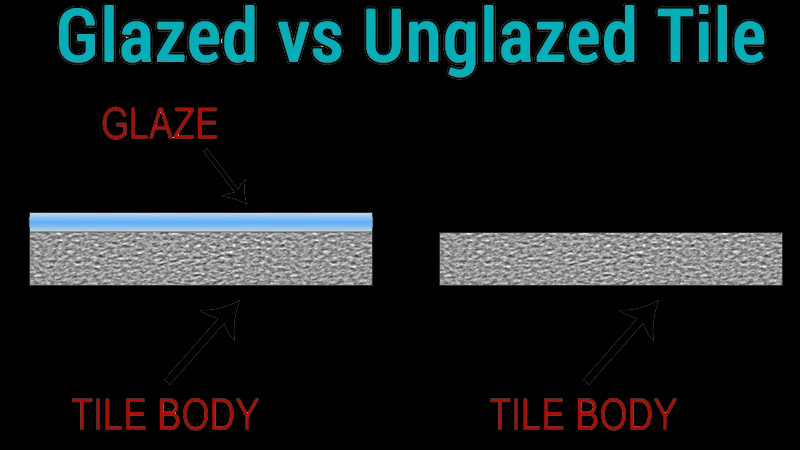
    Glazed and unglazed floor tiles differ in their surface finish. Glazed tiles have a layer of liquid glass applied to the surface, which is then baked onto the tile. This process gives the tile a smooth, glossy appearance and makes it resistant to stains and moisture. Glazed tiles are available in a wide range of colors, patterns, and finishes, making them popular for decorative purposes.

    On the other hand, unglazed tiles do not have a glass coating and retain their natural, matte or textured surface. They are porous and need to be sealed to make them resistant to water and stains. Unglazed tiles are generally more slip-resistant than glazed tiles, making them suitable for areas that require more traction, such as bathrooms or outdoor spaces.

In summary, the main differences between glazed and unglazed floor tiles lie in their surface finish, appearance, and performance characteristics.