Do Acoustic Panels Need Air Gap?

In the world of sound management, acoustic panels are one of the most commonly used tools to reduce noise and improve the sound quality of a room. Whether it’s a home theater, office, music studio, or any other space, acoustic panels play a crucial role in controlling reverberations and echoes. But one common question that often arises is: Do acoustic panels need an air gap?

In this blog post, we’ll answer this question, explore the importance of air gaps in sound absorption, and discuss how Guangdong Liyin Acoustics Technology Co., Ltd.—a leading provider of wood slat panels and acoustic solutions—can help you make the most of your acoustic panel installation.


OEM Leading Acoustic Wood Slat Panel Manufacturer & Distributor


1. What is an Air Gap in Acoustic Panels?


An air gap refers to a space left between the acoustic panel and the surface it is attached to, such as a wall or ceiling. The idea behind this gap is that the air trapped between the panel and the surface can enhance the acoustic performance of the panel by allowing more sound waves to be absorbed. Essentially, an air gap acts as a buffer, improving the panel's ability to absorb sound and manage low-frequency sound waves, which can be more difficult to absorb.


2. Do Acoustic Panels Need an Air Gap?


In most cases, air gaps are beneficial for acoustic panels, but they are not absolutely necessary for all types of installations. Let’s explore how the air gap influences the performance of acoustic panels:

A. Enhanced Low-Frequency Absorption

The main benefit of having an air gap behind acoustic panels is the improved low-frequency absorption. Low-frequency sound waves, such as bass sounds, are harder to absorb than higher frequencies. By leaving a small gap, sound waves can interact with the panel and be absorbed more effectively. This is especially important in spaces where bass-heavy sounds need to be controlled, such as in home theaters or music studios.

B. Improved Panel Efficiency

An air gap can increase the efficiency of your acoustic panels by allowing sound waves to pass through the panel and be absorbed more effectively. The gap essentially creates a resonance effect, improving sound wave dissipation. Panels mounted directly against the wall can still perform well, but the efficiency and sound absorption might not be maximized without the gap.

C. Air Circulation and Panel Longevity

An air gap can also promote better air circulation behind the panels, which helps prevent moisture buildup. This can be particularly important in humid environments or areas prone to condensation. The improved airflow can increase the longevity of the panels by reducing the chances of mold or mildew formation on the materials.


OEM Factory Direct Acoustic Wood Slat Panels


3. Are Air Gaps Always Necessary?


While air gaps offer several advantages, they are not always required for every installation. Here are a few points to consider:

  • Panel Material: Different acoustic panel materials respond differently to air gaps. For example, wooden slat panels, like the ones manufactured by Guangdong Liyin Acoustics Technology Co., Ltd., naturally have a slightly more complex structure, and the air gap behind them may not always provide a significant boost in performance. These panels still offer excellent sound absorption due to their materials and construction.

  • Installation Location: In some cases, mounting panels directly onto walls or ceilings can still provide good results, especially for controlling mid to high-frequency sounds. The benefit of an air gap is more noticeable for low-frequency control. If you are primarily concerned with echoes and reverberations rather than low-frequency noise, the air gap may not be essential.

  • Space Constraints: In spaces where there is limited room for mounting panels, it may not be feasible to leave a gap. In these cases, direct installation can still improve acoustics and make the space more comfortable.


How to Optimize Acoustic Panel Placement for Best Results


While an air gap can enhance the performance of your acoustic panels, it’s not the only factor that determines their effectiveness. Here are a few tips for ensuring optimal acoustic panel placement:

A. Panel Placement

The placement of acoustic panels is critical for achieving the best sound absorption. Panels should be installed at reflection points, such as walls, ceilings, and corners, where sound waves are most likely to bounce. In large rooms, it may also be necessary to cover multiple surfaces to control reflections across the space.

B. Thickness of the Panel

The thickness of the panel also plays a key role in sound absorption. Thicker panels typically absorb lower frequencies more effectively. If you are dealing with specific sound issues, such as bass-heavy music or loud impacts, consider using thicker panels or panels designed specifically for low-frequency absorption.

C. Panel Materials

The materials used in your acoustic panels will directly influence their sound absorption properties. PET felt panels are popular for their eco-friendly and sound-absorbing qualities, while wood slat panels offer both aesthetic appeal and effective sound management. Choose the right material based on your acoustic needs.

D. Room Acoustics

Don’t forget to consider the acoustic properties of the entire room. In addition to installing acoustic panels, soundproofing techniques may be necessary for complete noise control. Adding bass traps, sealing gaps, and using soundproofing materials in the walls can significantly reduce sound leakage.


Why Choose Guangdong Liyin Acoustics Technology Co., Ltd.?


At Guangdong Liyin Acoustics Technology Co., Ltd.(Leeyin), we specialize in manufacturing high-quality wooden slat panels and acoustic solutions that are designed to meet both aesthetic and functional needs. Our 20,000 square meter factory is equipped with modern machinery and adheres to strict international quality standards, ensuring that every product is built to last.

Here’s how we can help you:

  • Custom Solutions: Whether you need panels for sound absorption or additional soundproofing, we offer customized solutions to suit your space and needs.

  • Eco-friendly Materials: Our acoustic panels are made from sustainable materials like PET felt, ensuring eco-friendly performance without compromising on quality.

  • Expert Guidance: Our team of experts can provide advice on the best installation methods, panel materials, and air gap considerations for your specific project.


Conclusion: Is an Air Gap Necessary for Acoustic Panels?


While an air gap can enhance the effectiveness of acoustic panels, especially for low-frequency sound absorption, it is not always essential for every installation. Whether or not to include an air gap will depend on your specific acoustic needs, the materials of your panels, and the space in which they are installed.

If you're looking for high-quality wood slat acoustic panels or PET felt panels to improve the acoustics of your space, Guangdong Liyin Acoustics Technology Co., Ltd. is here to help. With our expertise and commitment to quality, we offer tailored solutions that will meet your acoustic requirements and provide optimal sound control.

For more information, contact us today to learn how our acoustic panels can enhance your space’s acoustics!


Call to Action:

Are you ready to optimize your space with premium acoustic panels? Get in touch with Guangdong Liyin Acoustics Technology Co., Ltd. today to discover our range of wooden slat panels and acoustic solutions that meet your needs.

Do Acoustic Panels Reduce Noise for Neighbours?

Noise pollution has become an increasingly common concern in residential and commercial spaces, particularly in densely populated areas. Whether it's loud music, conversations, or the sounds of daily activities, unwanted noise can affect your quality of life and potentially disturb your neighbors. In this context, acoustic panels have emerged as an effective solution for sound management. But the question remains: Do acoustic panels reduce noise for neighbors?

In this blog post, we will explore the role of acoustic panels in noise reduction, discuss how they work, and explain why Guangdong Liyin Acoustics Technology Co., Ltd., a leading manufacturer in the wooden slat panels and acoustic panel industry, can help you achieve a quieter, more comfortable environment. Let's dive into the details!


Manufacturing 3 sided acoustic panel three


1. Understanding Acoustic Panels and Their Functionality


Acoustic panels are sound-absorbing materials used to reduce echo and reverberation within a room. While they don’t block sound entirely, they help control sound reflections and improve the overall acoustics of a space. Acoustic panels are typically made from materials that absorb sound waves, such as foam, fiberglass, PET felt, or wood slats.

When it comes to reducing noise for neighbors, soundproofing and sound absorption are two different concepts. Acoustic panels focus primarily on absorbing sound, which helps reduce echo and noise pollution within a room. However, they may not completely block sound from traveling to neighboring spaces.


Wholesale Price wood slat wall panel traditional


2. Acoustic Panels vs. Soundproofing: What’s the Difference?


Before we dive deeper, it's important to distinguish between acoustic panels and soundproofing:

  • Acoustic Panels: These panels absorb sound waves, primarily to enhance room acoustics by reducing echoes and reverberations. While they improve sound quality within a room, they do not completely block noise from entering or leaving the space. They work by controlling sound reflections.

  • Soundproofing: Soundproofing involves materials and construction techniques designed to block sound from passing through walls, ceilings, and floors. It is a more comprehensive approach that includes mass-loaded vinyl, insulation, and sound barriers, which are more effective at preventing sound from traveling between rooms or to neighboring spaces.


3. Can Acoustic Panels Reduce Noise for Neighbors?


While acoustic panels are excellent at improving the quality of sound within a room, their ability to block noise from reaching neighbors is limited. Here's why:

  • Sound Absorption: Acoustic panels absorb sound that is generated within the room. For example, they can reduce echo and reverberation, making conversations and other sounds less harsh and clearer within the space. This helps with noise control and can prevent sound from being transmitted to neighboring rooms or units.

  • Noise Reflections: In shared buildings (apartments, offices, etc.), sounds from activities like TV watching, music, or footsteps often reflect off hard surfaces like walls, ceilings, and floors, making them more disruptive. By strategically placing acoustic panels, especially on walls and ceilings, you can minimize the reflections that might disturb your neighbors.

  • Sound Leakage: While acoustic panels will absorb sound inside your space, they don’t create an impenetrable barrier between you and your neighbors. If you’re looking to soundproof your space to prevent noise from leaking into other units or rooms, you would need to pair acoustic panels with other soundproofing techniques, such as adding mass to walls or sealing gaps.


4. How Effective Are Acoustic Panels at Noise Reduction?


The effectiveness of acoustic panels at reducing noise for neighbors depends on several factors:

  • Panel Placement: The location where the panels are installed plays a significant role in their performance. Placing panels on walls, ceilings, and floors can help absorb sound that would otherwise reflect into neighboring rooms. It’s important to install panels in strategic locations to maximize their sound-absorbing properties.

  • Panel Material: Different materials have varying levels of sound absorption. For example, PET felt panels and fiberglass are known for their high sound-absorbing qualities, while wood slat panels combine aesthetic appeal with functional sound absorption. The thickness and density of the panel material also impact its ability to absorb sound effectively.

  • Room Size and Layout: The size of the room and its layout can affect how much sound is absorbed by the panels. Larger rooms may require more panels to achieve significant sound reduction, especially if they have hard surfaces that reflect sound.

  • Type of Noise: The type of noise you want to reduce also matters. Low-frequency sounds (such as bass-heavy music or traffic noise) are harder to absorb with standard acoustic panels. For these types of sounds, you may need specialized bass traps or additional soundproofing materials.


How Can Guangdong Liyin Acoustics Technology Co., Ltd. Help?


At Guangdong Liyin Acoustics Technology Co., Ltd.(Leeyin), we specialize in high-quality wood slat panels and other acoustic panel solutions that can enhance your space's acoustics and help reduce noise. Our panels are designed with both aesthetic and acoustic performance in mind, making them ideal for a variety of environments, including homes, offices, recording studios, and public spaces.

Here’s how we can help you achieve better noise control:

  • Custom Solutions: We offer custom-made acoustic panels that suit your specific needs. Whether you need panels for sound absorption or additional soundproofing, our team can provide tailored solutions that improve both room acoustics and noise reduction.

  • High-Quality Materials: Our panels are made from premium materials such as PET felt, MDF, and wood slats. These materials are known for their durability, aesthetic appeal, and effective sound absorption properties.

  • Expertise and Innovation: With 20,000 square meters of modern manufacturing facilities and a commitment to international quality standards, we are a trusted leader in the acoustic panel industry. We continuously innovate to meet the growing demand for advanced sound management solutions.


Conclusion: Acoustic Panels as Part of the Solution


While acoustic panels are effective at improving sound quality and controlling internal noise, their ability to completely block noise from reaching neighbors is limited. For noise reduction across shared walls, ceilings, or floors, combining acoustic panels with other soundproofing solutions is recommended.

If you’re looking to improve your space’s acoustics and reduce noise for neighbors, Guangdong Liyin Acoustics Technology Co., Ltd. offers a range of wood slat panels and acoustic solutions that can meet your needs. With our expertise in the field and a strong focus on quality, we can help you achieve the perfect balance of aesthetics and sound control.

Contact us today to learn more about how we can help you manage noise and enhance your environment with our innovative acoustic panels!


Call to Action:

Want to reduce noise and improve acoustics in your space? Reach out to Guangdong Liyin Acoustics Technology Co., Ltd. today for customized wood slat panels and acoustic solutions that meet your needs!


What Are the Disadvantages of Acoustic Panels?

Acoustic panels are an effective solution for controlling sound, improving acoustics, and reducing noise in a variety of environments such as offices, conference rooms, recording studios, and even residential spaces. They help in absorbing sound waves, reducing echoes, and controlling reverberation. However, like any product, acoustic panels come with their own set of limitations. In this article, we will explore the disadvantages of acoustic panels and provide insight into how Guangdong Liyin Acoustics Technology Co., Ltd., a leader in the production of wood slat wall panels and acoustic panels, mitigates these challenges to offer the best sound solutions.

curved acoustic panel


1. Cost of Acoustic Panels

One of the primary concerns with acoustic panels is the cost. High-quality panels, especially those made from materials like wood, MDF, or high-density foam, can be quite expensive. Wood slat acoustic panels, like the ones manufactured by Guangdong Liyin Acoustics Technology Co., Ltd., provide excellent sound absorption and aesthetic appeal, but the premium materials and craftsmanship used in their production can drive up the price.


Why Choose Us?

We balance cost-effectiveness with quality by leveraging our 20,000-square-meter modern factory and streamlined manufacturing processes, providing affordable acoustic solutions without compromising performance.


2. Installation Complexity

Installing acoustic panels can sometimes be a complex process, especially if you're working with large or heavy panels like wood slat panels. Depending on the type and size of the panels, you may need professional installation services. Wooden panels, for instance, often require special tools and expertise to ensure a secure and aesthetically pleasing installation.


Why Choose Us?

At Leeyin Acoustics, we not only provide top-notch wood slat panels and acoustic solutions, but we also offer installation guides and professional support to ensure that your panels are installed quickly and correctly, minimizing any hassle.


3. Limited Soundproofing

While acoustic panels excel at controlling sound reflection and reducing reverberation, they are not a soundproofing solution. They can significantly improve the acoustic quality of a room, but they won’t block noise from outside or from adjacent rooms as well as soundproofing materials. If you're looking to reduce noise from outside or between rooms, you will need additional soundproofing methods alongside acoustic panels.


How We Mitigate This:

At Guangdong Liyin Acoustics Technology Co., Ltd., we provide customized acoustic solutions tailored to your specific needs. Whether you need wood slat panels for aesthetic purposes or are seeking to reduce echoes and reverberations in large spaces, we offer advice on combining acoustic panels with other soundproofing strategies to maximize effectiveness.


4. Maintenance and Durability

Over time, some acoustic panels, particularly those made from materials like fabric, can accumulate dust, dirt, or even stains. This requires maintenance to keep the panels looking fresh and performing optimally. Additionally, foam-based panels can degrade with age, losing their acoustic effectiveness.


Why Choose Us?

Our wood slat acoustic panels are made from high-quality materials like MDF and wood veneer, which not only ensure long-lasting durability but also make them easy to clean and maintain. With proper care, our panels can last for years while continuing to deliver top-tier acoustic performance.


5. Aesthetic Limitations in Certain Environments

While acoustic panels are functional, they may not always fit seamlessly into every interior design style. In some spaces, such as high-end commercial spaces or luxury residential areas, traditional acoustic panels may not complement the overall aesthetic. Panels like foam or fiberglass are effective, but they may not align with the desired design vision.


Why Choose Us?

At Guangdong Liyin Acoustics Technology Co., Ltd., we specialize in wood slat panels that provide both exceptional acoustic performance and modern, customizable designs. Our panels can be tailored to fit any space and can be coated with a variety of wood finishes to match your design preferences, offering both style and functionality.


6. Limited Effectiveness in Large or Complex Spaces

In larger spaces with high ceilings or irregular layouts, a small number of acoustic panels may not be enough to achieve the desired sound improvement. While panels are excellent for reducing echoes and reverberations, it may require strategic placement and more panels to fully optimize sound quality.

Why Choose Us?

As experts in acoustic solutions, we provide tailored design consultations to help you achieve the best acoustic outcome in larger or complex spaces. Whether you're designing an auditorium, conference room, or music studio, our team can help you plan the most effective use of our wood slat acoustic panels and other products.


7. Limited Acoustic Performance in Extreme Environments

While acoustic panels work well in most standard environments, they may struggle to perform in extreme environments, such as spaces with high humidity or temperature fluctuations. For example, areas like bathrooms or outdoor venues may present challenges for traditional panels, as materials like wood or fabric could deteriorate or warp under harsh conditions.

Why Choose Us?

We specialize in eco-friendly PET felt panels that are moisture-resistant and durable, making them suitable for a variety of environments. Whether you’re working with indoor or outdoor spaces, our acoustic panels are designed to provide consistent performance.


8. Fire Safety Concerns

Certain types of acoustic panels, especially foam-based panels, may be flammable if not properly treated. This raises concerns in spaces where fire safety is a priority, such as commercial buildings or public venues. Proper treatment and certifications are needed to ensure that panels meet fire-resistant standards.

Why Choose Us?

We ensure that all of our wood slat panels and PET felt panels are fire-rated and meet international fire safety standards, offering peace of mind for our clients in commercial or high-risk spaces.


9. Space and Weight Constraints

Acoustic panels can add some bulk to your walls, which may not be ideal in spaces where maintaining a minimalist look or saving space is a priority. Additionally, heavy panels can put strain on walls or require additional support for installation.

Why Choose Us?

Our PET felt panels offer a lightweight yet durable solution for acoustic treatment without compromising performance. These panels are easy to install and maintain, making them perfect for both residential and commercial spaces.


10. Time Required for Full Effectiveness

It’s important to note that acoustic panels require a period of adjustment and may need to be tuned over time to achieve optimal performance. Achieving the right balance of panels and placement may require some trial and error, which can be a time-consuming process.

Why Choose Us?

At Liyin Acoustics, we offer expert consultation and support to ensure your panels are placed optimally for the best results. Our experienced team helps guide you through the process, so you get the most out of your acoustic panels from day one.


Conclusion

While acoustic panels are a highly effective solution for improving sound quality and reducing noise, they do have certain drawbacks, such as cost, installation complexity, and limited soundproofing capabilities. However, by choosing the right type of acoustic panels and partnering with Guangdong Liyin Acoustics Technology Co., Ltd., you can mitigate many of these challenges. We offer high-quality wood slat panels, flexible PET felt panels, and customized acoustic solutions that address your specific needs.

Contact us today to explore how our acoustic panels can enhance your space while providing exceptional sound quality and aesthetic appeal

Why Are Acoustic Panels So Expensive?

Acoustic panels are an essential tool for improving sound quality and reducing noise in both commercial and residential spaces. Whether you're trying to control echoes in a conference room, improve sound clarity in a recording studio, or create a more comfortable living space, acoustic panels are highly effective solutions. However, one question often arises: Why are acoustic panels so expensive?

In this article, we will break down the factors that contribute to the cost of acoustic panels and explain why investing in high-quality panels from Guangdong Leeyin Acoustics Technology Co., Ltd., a leading provider of wood slat wall panels and acoustic solutions, is worth it.


Hot Sale Natural wood slat panel With CE


1. Material Quality

The quality of materials used in manufacturing acoustic panels is one of the primary reasons for their higher cost. Premium materials such as wood, MDF (Medium Density Fiberboard), PET felt, and high-density foam are chosen for their superior sound absorption properties and durability.

For instance, wood slat acoustic panels offer both functional and aesthetic value. They are crafted from high-quality woods and treated to provide superior sound performance. Such materials not only improve acoustic efficiency but also offer lasting durability, which justifies the higher cost.


Why Choose Us?

At Guangdong Liyin Acoustics Technology Co., Ltd., we use the best materials, such as high-grade MDF and sustainable wood for our wood slat panels. This ensures top-tier acoustic performance while maintaining a stylish appearance. Our panels are designed to meet the highest international standards in terms of both acoustics and design.


2. Research and Development Costs

Creating effective acoustic panels requires significant research and development (R&D). Acoustic engineers and designers work on finding the best materials, densities, and designs that will deliver maximum sound absorption and improve room acoustics. This R&D process adds to the overall cost of the product.

Additionally, testing and quality control are critical to ensure that the panels perform as promised. All of this research and testing contribute to the higher price of the panels.


Why Choose Us?

At Leeyin Acoustics, we invest heavily in R&D to ensure our products offer the best performance. We employ skilled professionals who continuously innovate to improve our products, which results in better quality and more effective acoustic solutions for you.


3. Manufacturing Process

The manufacturing of acoustic panels involves intricate and labor-intensive processes. Panels need to be carefully crafted, assembled, and finished to meet high standards. For example, wood slat panels require precision cutting, finishing, and assembly to ensure the panels are both aesthetically pleasing and functionally effective.

Moreover, customization options can add to the cost. Custom-sized panels, different wood finishes, and specific fabric choices require specialized attention during the manufacturing process.


Why Choose Us?

Our 20,000-square-meter modern factory ensures efficient and high-quality production while maintaining the highest standards of craftsmanship. We leverage advanced technology and skilled labor to produce durable, customizable acoustic panels that meet your specific needs.


4. Acoustic Performance and Engineering

The performance of acoustic panels is not just about how they look; it’s about how effectively they absorb sound. Panels are engineered to control reverberation, reduce noise, and improve sound clarity in specific environments. The engineering behind these panels often requires advanced knowledge of acoustics and sound dynamics.

Panels with higher performance ratings tend to be pricier because they are designed to absorb a wider range of frequencies or perform in more complex environments.


Why Choose Us?

As experts in wood slat acoustic panels, we design and manufacture products that are scientifically engineered to provide exceptional sound absorption. Our panels are designed to deliver superior acoustic performance while maintaining the aesthetic value of your space. Whether you're working with a home theater, conference room, or music studio, we have the perfect solution.


5. Customization and Aesthetics

While many people use acoustic panels for their functional benefits, they also serve an aesthetic purpose. Many consumers are looking for panels that are not only effective in sound control but also match the style and decor of their space. Customizing the look of panels—whether through color, fabric, or wood finish—adds to the cost.

Wood slat acoustic panels, for example, offer an elegant, modern appearance while providing excellent sound absorption, but this design comes at a premium.


Why Choose Us?

We offer a range of customization options for our wood slat panels to ensure they match your design preferences. From various wood finishes to different sizes, we can tailor our panels to suit your space, adding both style and functionality.


6. Durability and Longevity

High-quality acoustic panels are designed to last for many years, especially when made from materials like MDF, wood, and PET felt. While cheaper panels may wear out over time, causing the need for replacements, more durable panels are a long-term investment. This long lifespan and low maintenance cost can offset the initial expense.


Why Choose Us?

Our wood slat acoustic panels are crafted from sustainable, durable materials, ensuring that they provide long-lasting acoustic performance and aesthetic appeal for years. With proper care, our panels continue to deliver exceptional results over time, making them a cost-effective choice in the long run.


7. Shipping and Handling Costs

The size, weight, and fragility of acoustic panels can contribute to high shipping and handling costs. For example, wood slat panels are typically heavier and more delicate than foam panels, meaning extra care must be taken during packaging and shipping. Additionally, larger orders or international shipping often incur higher costs.


Why Choose Us?

We manage our global export operations efficiently, ensuring timely deliveries and careful packaging. Our 20,000-square-meter factory allows us to handle large orders while minimizing shipping and handling costs, ensuring that you get the best value for your investment.


Conclusion

While acoustic panels may seem expensive at first glance, they are an investment in sound quality, design, and long-term performance. The factors contributing to their cost, such as premium materials, customization options, engineering, and manufacturing quality, all play a role in ensuring that you receive a product that performs at the highest level.

At Guangdong Liyin Acoustics Technology Co., Ltd., we offer high-quality wood slat panels and acoustic solutions that deliver exceptional sound performance and aesthetic appeal. With our advanced manufacturing capabilities and expertise, we ensure that our products are worth every penny.

Contact us today to explore how our acoustic panels can enhance your space while providing superior sound control and stylish design.

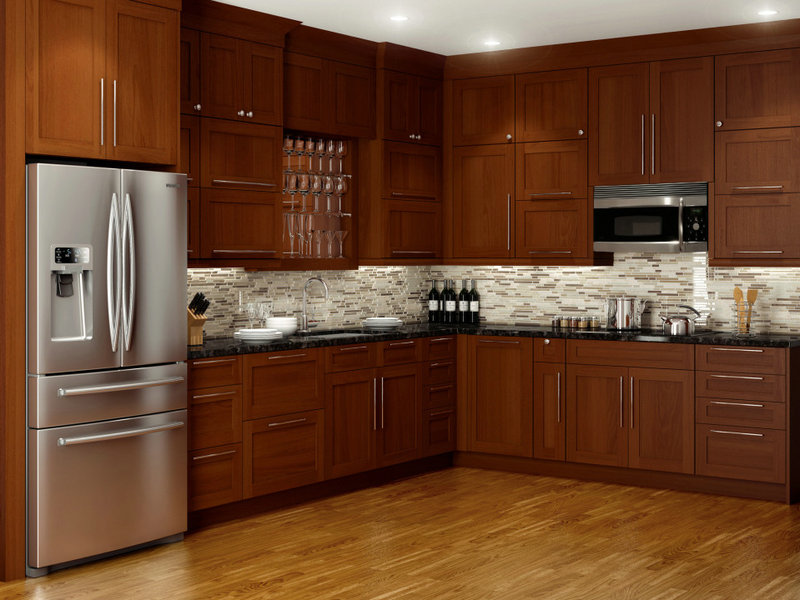
Why Solid Wood Kitchen Cabinets Are the Perfect Choice for Your Home?

When it comes to enhancing the beauty and functionality of your kitchen, choosing the right cabinets is key. One option that stands out is the timeless and durable solid wood kitchen cabinets. With its natural beauty and exceptional craftsmanship,   an excellent choice for homeowners seeking a blend of style and functionality.


Solid wood cabinets exude a unique charm that other materials simply cannot match. The rich, natural grains and warm tones of solid wood create a welcoming and cozy atmosphere in your kitchen. Whether you prefer the classic elegance of oak or the sleek sophistication of cherry, they offer a wide range of wood species and finishes to suit your personal taste and kitchen design.


Investing in wood kitchen cabinets guarantees long-lasting performance and durability. Unlike other materials, the wood cabinets can withstand the demands of a busy kitchen without losing their appeal. Their solid construction ensures that they can handle heavy loads and resist wear and tear over time. With proper care, solid wood cabinets can last for decades, making them a wise investment for your home.


One of the advantages of the cabinets is their versatility. They can be easily customized to fit your unique kitchen layout and design preferences. Whether you need extra storage space, specialized compartments, or unique features like glass panels or ornate carvings, they can be tailored to meet your specific needs. This flexibility allows you to create a kitchen that perfectly reflects your style and enhances your cooking experience.


Such kitchen cabinets have a timeless appeal that transcends trends and fads. They add a sense of luxury and sophistication to any kitchen, making it a focal point of your home. Moreover, they are considered a valuable asset, which can significantly increase the resale value of your property. Potential buyers appreciate the craftsmanship and durability of solid wood cabinets, making them a sought-after feature in the real estate market.


When it comes to kitchen cabinets, they are an excellent choice that combines beauty, durability, and customization options. Their natural appeal, longevity, and ability to enhance your kitchen's value make them an investment that pays off in the long run. Whether you're renovating your kitchen or building a new home, consider opting for these cabinets to create a timeless and inviting space that will continue to impress for years to come.

What Makes Metal Carved Panels the Ideal Choice for Architectural Enhancements?

Metal carved panels have revolutionized the realm of architectural design, providing a perfect blend of visual appeal, durability, and energy efficiency. These panels, such as the metal exterior wall insulation board, insulation decorative integrated board, and external wall insulation composite board, offer a versatile solution for both residential and commercial buildings. In this article, we will explore the various applications and benefits of exterior wall thermal insulation composite board, showcasing their role in transforming the aesthetics and energy efficiency of modern structures.

Elevating Exterior Design:
Brick Grain Cladding Sheet Metal Wall lend a captivating charm to the exterior of any building. With intricate designs and patterns, they add a touch of elegance, sophistication, and uniqueness. external wall insulation and decoration integrated board, featuring exquisite carvings, becomes a statement piece that captures attention and sets the building apart from its surroundings.

Enhanced Thermal Insulation:
One of the key advantages of using metal carved panels lies in their thermal insulation properties. brick grain cladding Sheet metal wall, coupled with advanced insulation materials, acts as a barrier against heat transfer, keeping the building interiors cool in the summer and warm in the winter. This efficient thermal insulation helps reduce energy consumption and lowers heating and cooling costs.

Structural Durability:
Apart from their aesthetic appeal and insulating qualities, metal carved panels offer exceptional durability. The external wall insulation composite board demonstrates excellent structural strength, with the ability to withstand harsh weather conditions. This robustness ensures a long lifespan, reducing maintenance expenses and offering a sustainable solution for building exteriors.

Weather Resistance and Protection:
Metal carved panels act as a protective layer, shielding the building from external elements. The metal exterior wall insulation board safeguards against moisture infiltration, preventing issues such as mold growth and damage to the structure. Additionally, the external wall insulation composite board offers excellent resistance against wind, rain, and UV rays, ensuring the longevity of the building envelope.

Easy Installation and Customization:
Metal carved panels are designed for convenient installation, saving time and resources during the construction process. These panels can be customized according to the specific design requirements of each project, offering architects and designers creative freedom in incorporating unique patterns and motifs.

Metal carved panels, including the metal exterior wall insulation board, insulation decorative integrated board, and external wall insulation composite board, are revolutionizing the architectural landscape. They not only enhance the visual appeal of buildings but also provide superior thermal insulation, durability, and weather protection. With their ease of installation and customization options, these panels offer a perfect solution for achieving both aesthetic excellence and energy efficiency in modern construction. Embrace the beauty and functionality of metal carved panels to transform your building into a captivating masterpiece.

Why Are Light Steel Villas Gaining Popularity in the Housing Market?

As the demand for sustainable and efficient housing solutions continues to grow, more and more people are turning to Light steel villa. But what exactly are Light steel villa, and why are they gaining popularity? In this article, we will explore the concept of Light steel villa and delve into the key advantages they offer.
 
 
Prefabricated steel homes, also known as modular or manufactured homes, are residential buildings constructed using steel as the primary structural material. Unlike traditional construction methods that involve on-site building, Light steel villa are manufactured off-site in a controlled factory environment. The steel components are precisely fabricated and then assembled on-site, resulting in a faster and more efficient construction process.
 
 
One of the main advantages of Light steel villa is their use of assembly-based construction, also known as off-site construction. This method allows for precise manufacturing and quality control, minimizing construction errors and waste. As a result, the construction process is significantly accelerated, saving both time and money.
 
 
Another key advantage of Light steel villa is their durability and strength. Steel is known for its high structural integrity and resistance to adverse weather conditions. Steel structures provide excellent protection against earthquakes, hurricanes, and other natural disasters, offering homeowners peace of mind and security.
 
 
Iight-gauge steel homes are also highly customizable. They can be designed to meet various architectural styles and personal preferences. From sleek and modern designs to traditional and rustic aesthetics, the possibilities are endless. Additionally, the interior layouts can be tailored to suit different needs, accommodating various room sizes and configurations.
 
 
Furthermore, steel structure houses are an eco-friendly choice. Steel is a recyclable material, and the off-site construction process generates less waste compared to traditional methods. These homes can also be designed to incorporate energy-efficient features such as solar panels, efficient insulation, and smart home technologies. This helps reduce energy consumption and lower utility costs for homeowners.
 
 
In conclusion, Light steel villa, also known as modular or manufactured homes, offer a range of benefits that make them the future of construction. With their assembly-based construction, durability, customization options, and eco-friendly features, these homes provide an innovative and sustainable housing solution. Whether you're looking for a stylish and efficient urban dwelling or a peaceful countryside retreat, Light steel villa, also known as assembly-based construction homes, are a compelling choice for homeowners seeking quality, efficiency, and environmental consciousness.

How Thick Should DIY Acoustic Panels Be?

When designing a space with optimal sound quality—whether it's a home studio, office, or commercial setting—acoustic treatment plays a critical role. One common question in DIY acoustics is: “How thick should DIY acoustic panels be?” The answer can vary depending on your acoustic goals, but let’s explore the most effective options.

At Guangdong Liyin Acoustics Technology Co., Ltd.( Leeyin ) , we specialize in high-performance wood slat acoustic panels designed to offer exceptional sound absorption, visual elegance, and environmental sustainability. As a leading manufacturer and exporter in China, we’re proud to support both B2B clients and project contractors worldwide.

Wholesale High-Quality Acoustic Wood Slat Panels


๐Ÿ“ Ideal Thickness for DIY Acoustic Panels

When it comes to sound absorption, thicker panels generally absorb more low-frequency sound, while thinner ones are better for high-frequency noise. Here's a general breakdown:

  • 1 inch (25 mm) – Suitable for basic echo control and high-frequency absorption in smaller rooms.

  • 2 inches (50 mm) – A popular DIY choice, offering a balance between performance and material use.

  • 4 inches (100 mm) – Excellent for broadband absorption, especially effective for bass frequencies.

For most home or studio DIY setups, 2-inch thick panels offer the best mix of acoustic performance and cost-efficiency.


๐Ÿงช Thickness vs. Absorption: What the Science Says

The NRC (Noise Reduction Coefficient) increases with panel thickness. For example:

  • 1" panel: NRC around 0.50–0.60

  • 2" panel: NRC around 0.80–0.95

  • 4" panel: NRC up to 1.0+

Thicker panels, especially when combined with an air gap behind the panel, significantly enhance low-frequency absorption—a critical factor for music studios and media rooms.


๐Ÿชต What Materials Should You Use?

For your DIY acoustic panels, the materials matter just as much as the thickness. At Liyin Acoustics, our panels are made from:

  • PET Felt (Recycled, Eco-friendly, Lightweight)

  • E0 MDF (Formaldehyde-free, Safe for Interiors)

  • Wooden Slats (Decorative + Diffusive)

  • All materials are FSC-certified and meet international acoustic and fire safety standards.

If you're making your own panels, using high-density mineral wool or fiberglass at 2–4 inches thickness is recommended. But if you’re looking for a professional finish, our ready-to-install wooden slat acoustic panels are ideal.


๐Ÿ’ก Why Choose Liyin’s Wood Slat Acoustic Panels?

โœ… Beautiful design with real wood veneer or melamine finishes
โœ… E0-grade MDF + PET backing for high-performance absorption
โœ… Tested sound absorption coefficients
โœ… Quick and easy installation (glue, screw, or mounting track)
โœ… Sustainable and certified materials
โœ… 20,000 m² advanced production facility
โœ… Global B2B export experience to Europe, North America, and Southeast Asia


๐ŸŽฏ Final Thoughts

If you’re planning to build your own acoustic panels, 2 to 4 inches thickness is the sweet spot for excellent results. However, for those looking for aesthetics, durability, and professional-grade performance, Liyin Acoustics' wood slat acoustic panels are the ultimate choice.


Let’s make sound beautiful—both technically and visually.

Is MDF or Plywood Better for Acoustic Panels?

When it comes to designing effective acoustic panels, the material used plays a significant role in both sound performance and aesthetic appeal. Two popular choices for the core material of acoustic panels are MDF (Medium Density Fiberboard) and plywood. Both materials have distinct advantages and disadvantages, which can influence the acoustics and overall effectiveness of the panel. But which one is better? In this article, we’ll compare MDF vs. plywood to help you decide which is the best material for your acoustic panel needs.


CE approved acoustic panels soundproofing


1. What is MDF?


MDF (Medium Density Fiberboard) is an engineered wood product made by breaking down wood fibers into fine particles, which are then combined with resin and compressed under heat and pressure. The result is a smooth, dense, and uniform panel that is relatively inexpensive and widely used in many applications, including acoustic panels.

  • Density: Dense and consistent, which helps with sound absorption.
  • Surface: Smooth and easy to work with for veneer or paint finishes.
  • Durability: While dense, MDF is relatively soft compared to plywood and may dent or scratch easily.
  • Acoustic Benefits: Due to its dense, smooth surface, MDF is excellent at absorbing mid-to-high frequencies and improving overall sound quality.


2. What is Plywood?


Plywood is made by gluing together multiple thin layers of wood veneer, with the grain direction alternating between layers. This construction gives plywood a unique combination of strength, flexibility, and resilience. It is often used for structural applications, but also works well for acoustic panels in some scenarios.

  • Density: Less dense than MDF but more rigid, providing a natural resonance that can work well in certain acoustic environments.
  • Surface: Rougher texture compared to MDF, which can add a natural aesthetic but may need additional surface treatment.
  • Durability: Stronger than MDF and more resistant to damage, especially under varying environmental conditions.
  • Acoustic Benefits: Plywood can offer good sound diffusion, helping with sound reflection and scattering, but may not absorb sound as well as MDF.


Hot Sale acoustic wall panels wood


3. Comparing MDF and Plywood for Acoustic Panels


Sound Absorption


When it comes to sound absorption, MDF generally performs better. Its dense, uniform composition allows it to effectively absorb mid-to-high-frequency sounds, which are commonly responsible for reverberation and echo in spaces. MDF panels will help improve the acoustics of rooms by reducing noise reflections.

Plywood, on the other hand, is less effective at sound absorption. However, its rigidity and layered structure make it good for diffusing sound. Instead of absorbing sound, plywood scatters it, which can help with controlling sound in spaces where sound diffusion is the priority.


Durability


Plywood is more durable and resistant to environmental factors such as humidity, temperature changes, and physical impacts. This makes it a better option for environments that experience frequent changes in conditions, like studios, rehearsal spaces, and theaters.

MDF is more susceptible to moisture damage, which can lead to warping and deteriorating over time. As a result, MDF acoustic panels are best suited for indoor environments with controlled temperature and humidity.


Aesthetic Appeal


Both MDF and plywood have their own unique aesthetic qualities, which can impact the design of the room.

  • MDF is smoother and easier to finish, so it is ideal for painting or laminating with a veneer, such as wood or fabric. It offers a clean, sleek look and can fit into most modern spaces.

  • Plywood has a more textured and natural look, which adds warmth and character to the space. It is ideal for those who want a more rustic or organic feel.


4. Which Is Better for Acoustic Panels?


The answer depends on the specific acoustic needs and environment of the space you are working with:

  • For sound absorption: If your primary goal is to absorb sound and reduce reverberation, MDF is the better choice. Its density allows it to absorb sound more effectively, creating a more controlled and acoustically balanced environment.

  • For sound diffusion and durability: If you need to diffuse sound or are working in an environment where the panels will be exposed to varying temperatures and humidity, plywood may be the better option. It is also a more durable choice in spaces where the panels may be subject to physical wear and tear.


5. Why Choose Liyin’s Acoustic Panels?


At Leeyin (Guangdong Liyin Acoustics Technology Co., Ltd.), we specialize in manufacturing premium wooden acoustic panels that combine the best of both worlds—offering high-quality sound absorption and aesthetic appeal. We use MDF and plywood to provide tailored solutions for a variety of acoustic needs.


Why Choose Us?


  • ๐Ÿญ State-of-the-Art Manufacturing Facility: With over 20,000ใŽก of production space, we ensure that our products meet the highest standards of quality and precision.
  • ๐ŸŒ Global Presence: We are a leading exporter of wood slat acoustic panels, providing customized solutions for clients worldwide.
  • ๐ŸŒฑ Sustainability Focus: Our products are made from sustainable materials such as natural wood and eco-friendly felt.
  • ๐Ÿ“ Custom Solutions: We offer a wide range of sizes, finishes, and textures to suit any design or acoustic requirement.


Conclusion: MDF vs. Plywood for Acoustic Panels


Both MDF and plywood have their own advantages depending on your acoustic and aesthetic requirements. For optimal sound absorption, MDF is generally the superior choice, while plywood excels in sound diffusion and durability. By choosing the right material, you can enhance the acoustics of your space and create a more comfortable, noise-controlled environment.

๐Ÿ”น Interested in custom acoustic solutions? Contact Leeyin (Guangdong Liyin Acoustics Technology Co., Ltd.) today for premium MDF and plywood acoustic panels that will meet your specific needs.

๐Ÿ“ฉ Reach out to us now to get started!

What Kind of Wood to Use for Acoustic Panels?

When it comes to optimizing acoustics in a space, selecting the right materials is crucial. One of the most popular choices for soundproofing and sound enhancement is wood. Not only does it offer natural beauty and aesthetic appeal, but it also plays an important role in improving the acoustic performance of a room. In this article, we will explore the best types of wood used for acoustic panels and how they impact sound quality.


acoustic wood panel for Global Markets


1. Why is Wood Used for Acoustic Panels?


Wood is known for its natural acoustic properties. It is dense, yet not too rigid, which allows it to absorb sound and reduce unwanted reverberation. Its ability to diffuse sound makes it a popular choice for professionals seeking to create a balanced sound environment.

  • Sound Absorption: Wood absorbs mid-to-high frequencies, helping reduce echo and reverberation.
  • Sound Diffusion: It scatters sound waves evenly, preventing them from bouncing back in unwanted directions.
  • Aesthetic Appeal: Wood panels not only enhance acoustics but also add a warm, natural, and sophisticated look to any space.


polyester fiber acoustic panel for Large Orders


2. What Kind of Wood is Best for Acoustic Panels?


When selecting wood for acoustic panels, several factors come into play: density, porosity, and finish. The best wood choices for acoustic performance typically offer a combination of these properties. Below are some of the most common wood types used for acoustic panels:


a. Oak (Natural and Smoked)


Oak is one of the most widely used woods for acoustic panels, particularly due to its excellent sound absorption properties and durability. Both natural oak and smoked oak offer a refined, sleek look while maintaining optimal acoustic performance. Oak’s medium density ensures that it absorbs sound efficiently without distorting the quality of the sound.

  • Advantages: Durable, dense, excellent for sound diffusion and absorption.
  • Best for: Offices, studios, and commercial spaces.


b. Walnut


Walnut is known for its deep, rich color and high density, making it ideal for acoustic panels that need to balance both style and sound quality. It provides a premium finish and is excellent for absorbing mid-to-high frequency sounds. Its higher density ensures better soundproofing compared to lighter woods.

  • Advantages: Dense, sophisticated appearance, great sound absorption.
  • Best for: Home theaters, recording studios, and high-end interior designs.


c. Birch


Birch is another highly regarded wood for acoustic panels. It is lightweight but still provides good sound absorption and diffusion. Birch is often used in more affordable acoustic paneling because it balances cost with quality. Its light, natural color makes it a popular choice for interior design.

  • Advantages: Lightweight, cost-effective, good diffusion.
  • Best for: Residential spaces, schools, and offices.


d. Maple


Maple is known for its stability and consistent texture, making it a reliable choice for acoustic applications. It provides moderate sound absorption while maintaining clarity in the acoustics of the room. It’s commonly used in music studios and spaces where clarity and balance are crucial.

  • Advantages: Stable, versatile, balanced sound absorption.
  • Best for: Music rooms, theaters, and professional recording studios.

3. Why Choose Liyin’s Wood Acoustic Panels?


At Leeyin (Guangdong Liyin Acoustics Technology Co., Ltd.), we specialize in manufacturing high-quality wood acoustic panels, including oak, walnut, birch, and maple. Our panels are engineered to provide superior sound performance and modern aesthetics.


Why Choose Us Leeyin?


  • ๐Ÿญ State-of-the-Art Manufacturing Facility: With a 20,000ใŽก factory, we ensure that our products are made with the highest level of precision.
  • ๐ŸŒ Global Expertise: As a leading exporter of wood slat acoustic panels from China, we supply customized acoustic solutions to customers worldwide.
  • ๐ŸŒฑ Eco-Friendly Materials: We prioritize the use of sustainable materials like natural wood veneers and recycled PET felt for an environmentally responsible solution.
  • ๐Ÿ“ Customization: We offer a range of sizes, finishes, and textures to suit your specific acoustic and design needs.


4. Conclusion: What Kind of Wood Should You Choose for Acoustic Panels?


Choosing the right wood for acoustic panels depends on your specific needs and the acoustics of your space. Whether you prefer oak, walnut, birch, or maple, each type of wood offers unique benefits to improve sound quality and enhance the design of your space. With Liyin’s wood acoustic panels, you get the best of both worlds: excellent sound performance and modern, stylish aesthetics.

๐Ÿ”น Interested in upgrading your space with premium wood acoustic panels? Contact Guangdong Liyin Acoustics Technology Co., Ltd. for custom solutions tailored to your needs!

๐Ÿ“ฉ Get in touch with us today!