Polyurethane Waterproof Coating Ideal for Roof Protection and Maintenance

Polyurethane waterproof coating is one of the best choices for protecting roofs from water damage and leaks. Whether for commercial, industrial, or residential buildings, roofs are exposed to constant weathering, and water infiltration can lead to significant structural damage if left untreated. Polyurethane coatings provide a highly effective, seamless waterproofing solution that prevents leaks and extends the life of roofing systems.

These coatings are ideal for flat and low-slope roofs, where water tends to accumulate and seep into the building. Polyurethane creates a seamless membrane that forms a protective barrier, preventing water from penetrating the roof surface. This is especially important in areas with heavy rainfall or freezing temperatures, where water accumulation can cause leaks and other structural issues.

Another advantage of polyurethane coatings is their energy-saving potential. By insulating the roof, polyurethane coatings help to reduce heat transfer, keeping the building cooler in summer and warmer in winter. This added insulation can improve the energy efficiency of the building, leading to lower utility bills and a more comfortable indoor environment.

In addition to water and temperature resistance, polyurethane coatings are also UV-resistant, ensuring that the roof remains protected even under direct sunlight. For building owners looking to reduce maintenance costs and enhance the durability of their roofing systems, polyurethane waterproof coatings provide a smart and cost-effective solution.
Protect Your Basement with Polyurethane Waterproof Coating A Smart Investment

Basements are often the most vulnerable areas of a home when it comes to water damage. Moisture can seep into basement walls and floors, leading to mold, mildew, and structural issues. Polyurethane waterproof coating offers an effective solution for protecting your basement from water damage and ensuring a dry, healthy environment.

When applied to basement walls and floors, polyurethane forms a strong, seamless membrane that prevents water from penetrating the surface. This helps to control moisture levels in the basement, reducing the risk of mold growth and maintaining the structural integrity of the foundation. Polyurethane coatings also help to prevent cracks in the walls, which can occur when water seeps into the concrete and causes it to expand and contract.

In addition to waterproofing, polyurethane coatings are easy to apply and require minimal maintenance. Unlike other waterproofing solutions, polyurethane does not require frequent reapplication, making it a cost-effective long-term solution for homeowners looking to protect their basements from water damage.

Investing in polyurethane waterproof coatings for your basement is an excellent way to ensure that your home remains dry, safe, and structurally sound for years to come.

The Importance of Waterproof Coatings in Construction


In the realm of construction, one of the most critical considerations is protecting buildings from the damaging effects of water. Water intrusion can cause significant structural damage, leading to costly repairs and compromising the safety and longevity of the building. That's why investing in effective waterproof coatings is paramount. In this blog post, we will explore the importance of waterproof coatings and their role in ensuring the durability and stability of structures.


1. Protection against Moisture:

Waterproof coatings act as a protective barrier against moisture, preventing it from seeping into the building's surfaces. Whether it's rainwater, groundwater, or moisture vapor, these coatings effectively seal off the structure and prevent water penetration. By doing so, they safeguard against problems such as corrosion, mold growth, warping, and deterioration of building materials.


2. Enhanced Durability:

Waterproof coatings significantly enhance the durability of various building components. By forming a seamless and impermeable layer, they act as a shield against water-induced damage. Concrete, for example, is vulnerable to cracking when exposed to prolonged moisture. Applying waterproof coatings not only prevents water ingress but also minimizes the risk of cracks, thus preserving the structural integrity of the building for years to come.


3. Energy Efficiency:

Water intrusion can compromise the thermal performance of a building. Moisture infiltration can lead to increased heat loss, reduced insulation effectiveness, and higher energy consumption for temperature control. Waterproof coatings help maintain a watertight envelope, preventing air and moisture leaks that can undermine the efficiency of heating and cooling systems. By reducing energy wastage, these coatings contribute to a more sustainable and cost-effective building operation.


4. Health and Comfort:

Unaddressed water damage can create a breeding ground for mold, mildew, and other harmful microorganisms. The presence of these pathogens can lead to a range of health issues, including allergies, respiratory problems, and infections. Waterproof coatings prevent moisture accumulation, inhibiting the growth of such microorganisms and ensuring a healthier indoor environment for occupants.


5. Long-Term Savings:

Investing in high-quality waterproof coatings may appear as an additional expense in the short term. However, the long-term benefits far outweigh the initial costs. By mitigating water-related damage, these coatings reduce the need for extensive repairs and replacements. This translates into significant cost savings over the lifespan of the building.


Conclusion:

The importance of waterproof coatings in construction cannot be overstated. They provide a reliable solution for protecting buildings against water intrusion, ensuring their longevity, durability, and efficient operation. By implementing effective waterproofing measures, construction professionals can mitigate the risks associated with water damage, promote occupant health and comfort, and save valuable resources in the long run. Remember, when it comes to building construction, prevention is always better than cure, and waterproof coatings play a crucial role in achieving that goal.

Understanding the Benefits of Polyurethane Waterproof Coating for Building Protection

Polyurethane waterproof coatings are a highly effective solution for building protection, offering superior resistance to moisture and weather conditions. These coatings are widely used in both residential and commercial construction to protect structures from water damage. Unlike traditional waterproofing solutions, polyurethane creates a seamless membrane that can stretch and contract with temperature changes, making it highly durable.

One of the key benefits of polyurethane waterproof coatings is their flexibility. When applied to surfaces such as roofs, basements, or foundations, they form a continuous barrier that prevents water from seeping through. This is especially important in areas that experience heavy rainfall or freezing temperatures, where water infiltration can cause structural damage over time. Additionally, polyurethane coatings provide excellent resistance against UV rays, ensuring that the surface maintains its protective qualities even under direct sunlight.

Another advantage of polyurethane coatings is their ability to enhance the energy efficiency of buildings. By providing an extra layer of insulation, polyurethane reduces heat loss and minimizes the need for additional heating and cooling systems. This can result in lower energy bills and a more comfortable indoor environment.

For builders and property owners seeking a long-lasting, cost-effective waterproofing solution, polyurethane coatings are an ideal choice. Whether used on rooftops, concrete floors, or exterior walls, they offer durable protection that can withstand harsh weather conditions and extend the life of the structure.

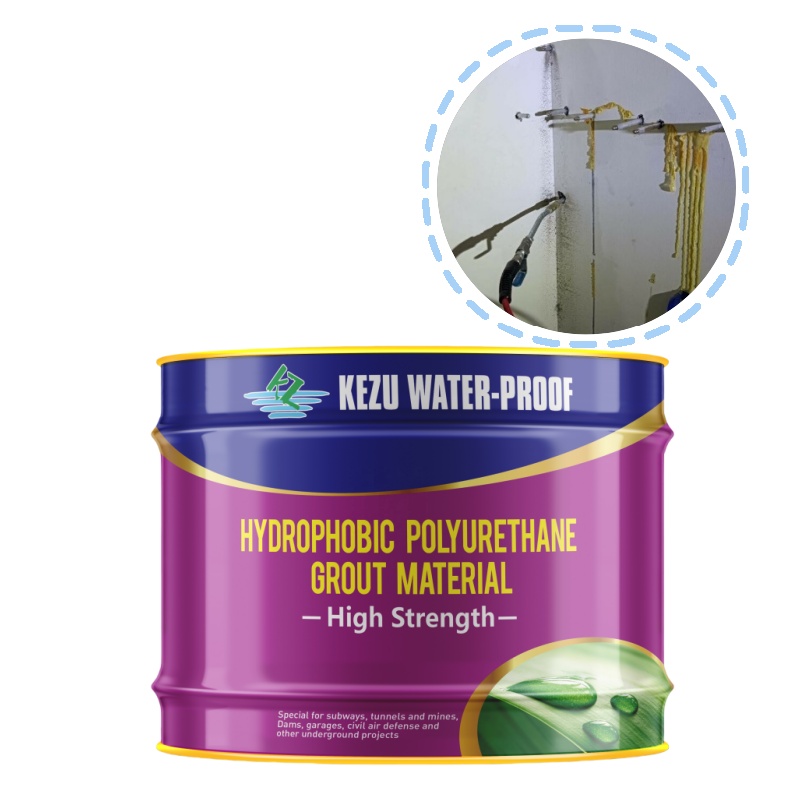
What is injection grouting?

         Grouting is a technique used to repair and strengthen concrete structures. Grouting involves injecting special materials into concrete cracks, voids or pores during construction to fill and strengthen damaged areas. This technology is widely used in fields such as construction, bridges, underground structures and water conservancy projects.Grouting typically uses materials such as cement slurry, polymers or epoxy resins.

The grouting material should have excellent permeability and adhesion to ensure adequate filling of the target area and a strong bond with the surrounding concrete. Grouting can also waterproof the concrete structure and improve the sealing and durability of the structure.

  waterproofing injection grouting

However, grouting technology also has some limitations. For example, in some complex cases, grouting may not completely fill the target area, or may not solve underlying problems with the concrete structure. Therefore, before using grouting technology for repair, detailed structural assessment and design are required to determine the most appropriate repair solution.

Overall, grouting is an effective method for repairing and strengthening cracks and voids in concrete structures. It improves the stability and durability of the structure and extends its service life. When selecting grouting materials and construction methods, environmental protection and sustainability should be considered to ensure that the grouting process meets the requirements of the green ring.

Why Polyurethane Waterproof Coatings Are Essential for Industrial Applications

In industrial environments, machinery, equipment, and concrete surfaces are frequently exposed to moisture, oils, chemicals, and other harsh substances. Polyurethane waterproof coatings offer an ideal solution for protecting these surfaces from damage and ensuring the longevity of critical assets.

Polyurethane coatings are known for their exceptional resistance to water, oils, acids, and alkalis, making them suitable for use in industrial applications such as factory floors, machinery, and storage tanks. By creating a flexible, durable barrier, polyurethane coatings prevent water from infiltrating surfaces, reducing the risk of corrosion, mold growth, and structural damage.

One of the key benefits of polyurethane coatings in industrial settings is their ability to withstand the wear and tear caused by heavy machinery and foot traffic. These coatings provide an additional layer of protection to floors and equipment, minimizing maintenance costs and downtime. Furthermore, they help maintain a clean and safe environment by preventing the buildup of moisture that can lead to slips, falls, and equipment failure.

For industries involved in manufacturing, chemical processing, or food production, polyurethane waterproof coatings are an essential investment in maintaining a safe, efficient, and durable working environment.

Accurately Judging VRLA Battery Health to Ensure the Reliability of Emergency Power Supplies

In modern industry and daily life, the application of VRLA batteries as emergency power sources has become increasingly widespread, such as in elevator power outage emergency leveling devices, brake release power supplies, security power UPS, and other backup power scenarios. These situations demand a high level of reliability from lead-acid batteries, so accurately determining the health status of sla batteries to prevent failure during emergencies is particularly important.

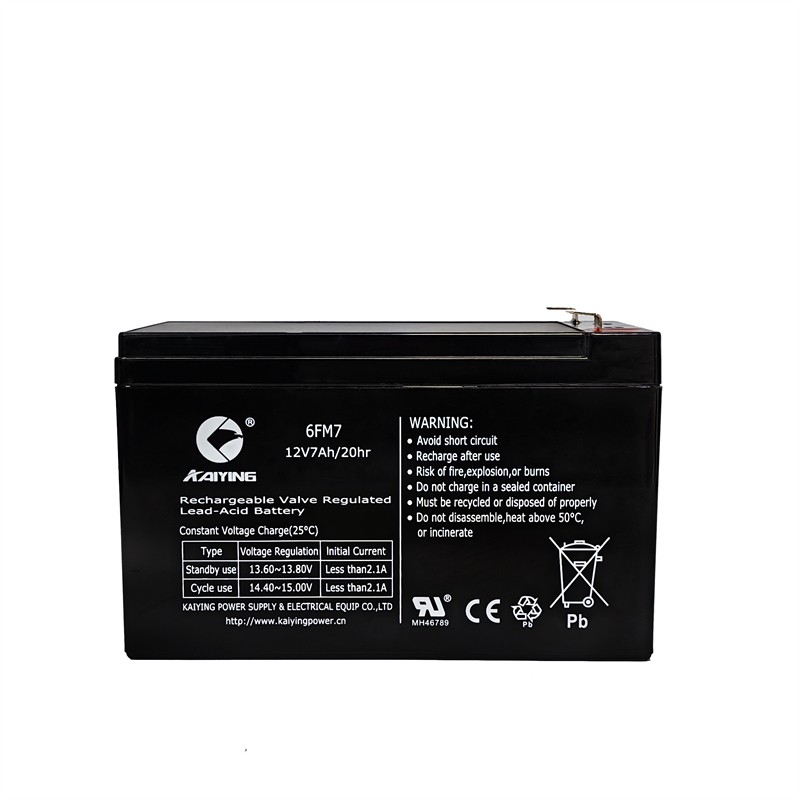
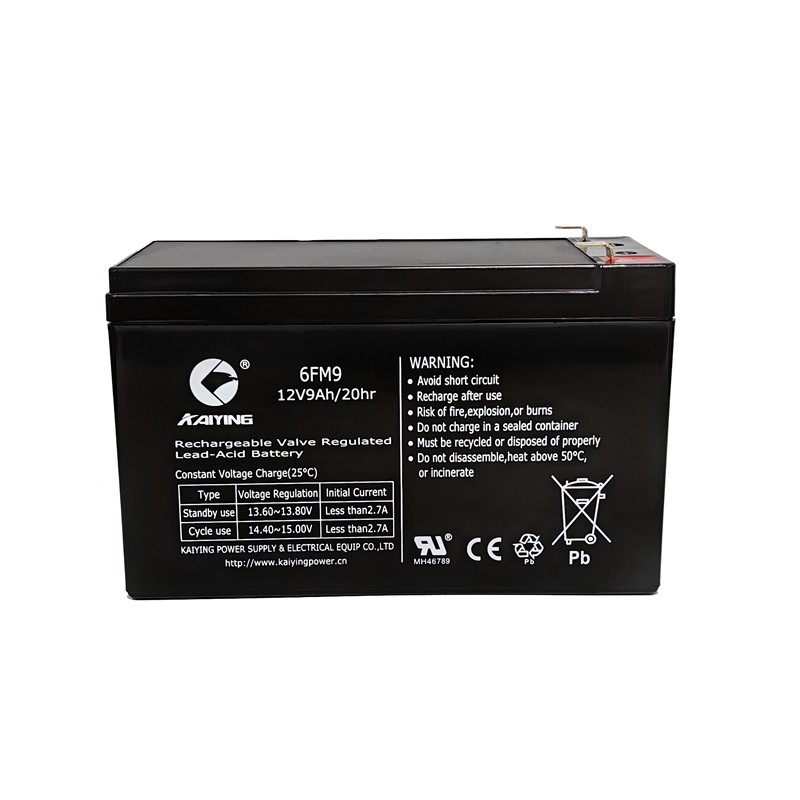
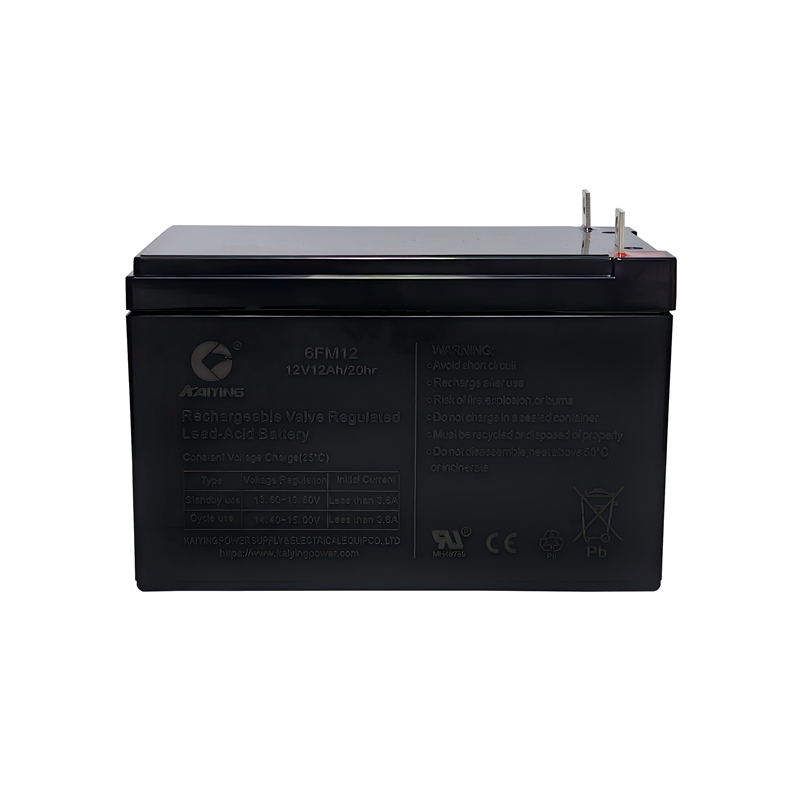
  • SB-1204
     
  • SB-1207
     
  • SB-1209
     
  • SB-1212


Battery Internal Resistance and Health Status:
Battery internal resistance is an important technical indicator for measuring battery performance. Changes in internal resistance are directly related to the health status of the battery. The internal resistance value of a battery is taken as the average value measured within three months after it is put into use as the baseline value. If the internal resistance value is more than twice the baseline value, the battery can be judged as defective. Therefore, regularly measuring battery internal resistance and comparing it with the baseline value is an effective method for judging the health status of the battery.


Best Conditions for Measuring Internal Resistance:

The internal resistance of batteries varies with different manufacturers, different batches, and different storage conditions. To ensure the accuracy of the measurement, it must be done when the battery is in a floating charge state and fully charged, using a calibrated internal resistance meter. This ensures the consistency and reliability of the measurement results.


Internal Resistance Changes and Battery Replacement:

When the battery internal resistance reaches twice the baseline value, the battery life ends; when it reaches 1.5 times, the battery should be replaced. This provides clear guidelines for battery maintenance and replacement.


The Importance of Battery Numbering System:

In actual use, especially in the secondary maintenance market, it is difficult to replace batteries of the same batch and group at the same time. Kaiying Power addresses this situation by assigning a unique number to each battery, allowing maintenance personnel to accurately identify and replace batteries to ensure the performance consistency and reliability of the battery group.


By regularly measuring battery internal resistance and comparing it with the baseline value, the health status of the battery can be effectively judged. Kaiying Power's numbering system facilitates the maintenance and replacement of batteries. These measures together ensure the reliability of emergency power supplies in critical moments, ensuring the safe and stable operation of industry and daily life.

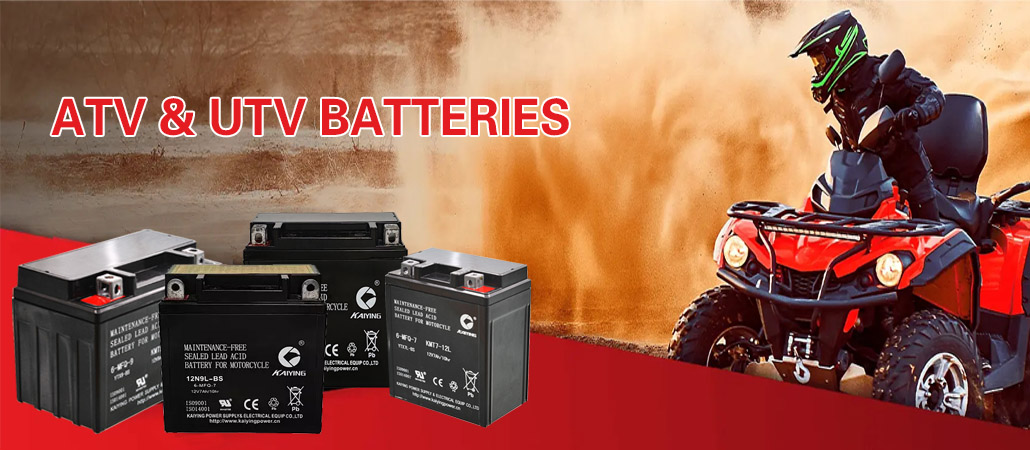
ATV(All-Terrain Vehicle), UTV(Utility Task Vehicle) and Lead-Acid Motorcycle Batteries A Powerful Alliance for Off-Roading

ATV(All-Terrain Vehicle), UTV(Utility Task Vehicle) are the preferred choice for explorers and outdoor enthusiasts due to their superior off-road performance and versatility. These off-road vehicles can conquer not only beaches, riverbeds, forest trails, and streams but also harsh desert terrains. All of this is made possible by their powerful power source — lead-acid batteries. This article delves into the world of ATVs and the lead-acid batteries they rely on for performance and market trends.


ATV & UTV Batteries


The Off-Road Charm of ATVs/UTVs:

ATVs and UTVs offer excellent off-road performance with their wide tires and superior suspension systems. These vehicles provide stable traction and control on various terrains, making them an ideal choice for off-road enthusiasts. The simple and practical design of ATVs allows them to carry passengers and transport goods, making them widely used in agriculture, forestry, and recreational activities.


Lead-Acid Batteries: Reliable Partners for ATVs/UTVs and Product Types:

Lead-acid batteries hold an important position in the global market due to their cost-effectiveness and reliability. Despite the emergence of alternative technologies such as lithium-ion batteries, lead-acid batteries remain the first choice for many ATVs. These batteries not only provide the necessary starting power but also withstand extreme conditions during off-roading, including vibrations and temperature changes.


Valve-Regulated Lead-Acid (VRLA) batteries are becoming the mainstream choice in the global lead-acid battery market due to their sealed design, which reduces maintenance needs and environmental pollution risks. In the field of ATV motorcycle batteries and UTV motorcycle batteries, VRLA batteries are the ideal choice because of their high performance and low maintenance characteristics. VRLA batteries have various advantages, including cost-effectiveness, efficient power delivery, especially reliability in cold weather conditions, and a robust structure that can withstand severe tests.


Global Market Trends:

The demand for ATVs globally is closely related to macroeconomic and regional microeconomic changes. The COVID-19 pandemic in 2020 increased residents' leisure time at home, and the outdoor entertainment and transportation attributes of all-terrain vehicles provided a safe social entertainment distance in the pandemic environment, leading to a rapid increase in the global all-terrain vehicle market scale, with a year-on-year increase of 24.19%.


Regional Market Analysis:

In terms of sales, global all-terrain vehicle sales were about 930,000 units in 2022, a decrease of 10.6% year-on-year. The popularity and significant growth of all-terrain vehicle experience areas in Mexico and South America have driven the expansion of the ATV market. The promotion of adventure tourism has also increased the demand for power sports products. The South American power sports market forecast report points out that the market revenue and forecast of all-terrain vehicles (ATVs) in the region will continue to grow until 2028, showing the importance and growth potential of ATVs and their lead-acid batteries in these areas.


The combination of ATVs/UTVs and lead-acid batteries highlights not only their off-road performance but also the integration of technology and market demands. As technology advances and market needs evolve, the lead-acid battery industry must continuously innovate to maintain its competitive edge and provide robust power support for ATVs and UTVs. Especially in Mexico and South America, the demand for ATVs is growing rapidly, creating new opportunities for the lead-acid battery market. The progress of the global economy and improved consumption levels will further drive the expansion of the ATV/UTV market, bringing more development opportunities for the related industries.


For more info about ATV & UTV Battery Supplier, please visit: www.kaiyingpower.com/motorcycle-battery

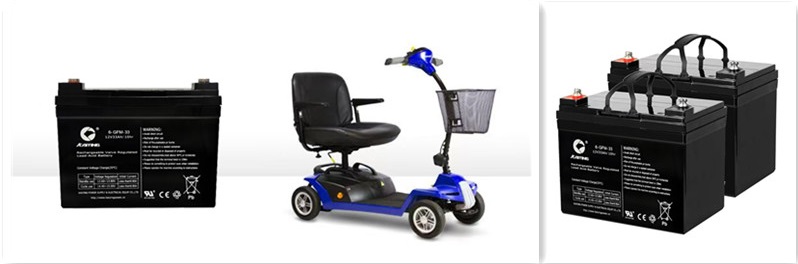
Electric Mobility Scooters with Lead Acid Battery

Electric mobility scooters, as a convenient and environmentally friendly mode of transportation, have seen rapid development globally in recent years.


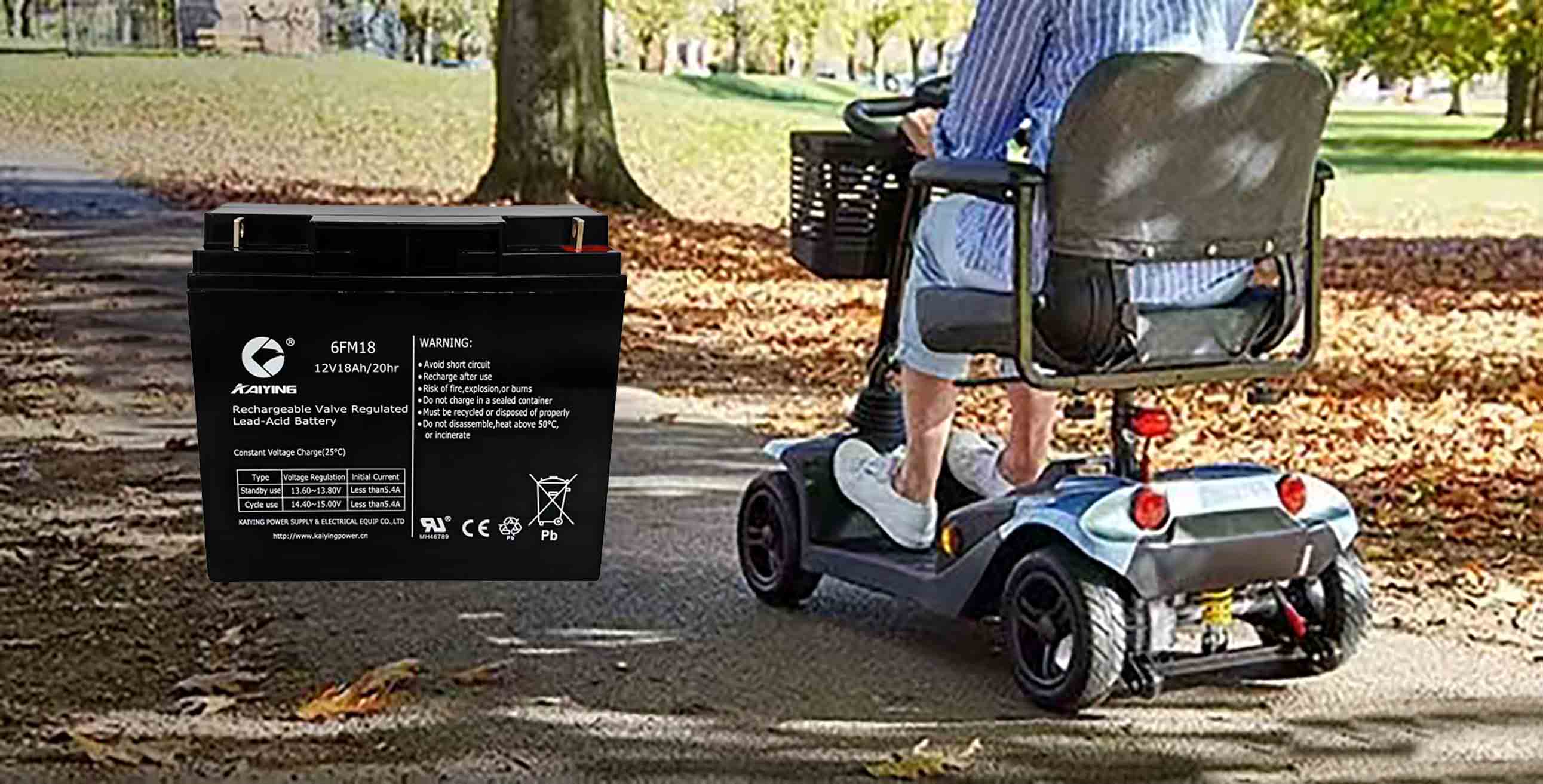
Mobility Scooter Battery 12V18AH


1. Development Background and Market Size

Electric mobility scooters primarily cater to the elderly, people with disabilities, and those with short-distance travel needs. Amidst the intensification of global aging and the rise of environmental awareness, the demand for electric mobility scooters continues to expand. According to Huaon Intelligence Network, the global market size for the electric mobility scooter industry was approximately 735 million USD in 2023, demonstrating the industry's rapid development trend. In China, the market size for electric mobility scooters is also growing, reaching 524 million USD in 2023, with a year-on-year increase of 7.82%.


2. Policy Environment

The Chinese government has implemented a series of policies for energy-saving and emission-reduction green travel, such as the "Green Travel Creation Action Plan," aiming to promote green projects and encourage the use of low-carbon transportation like electric mobility scooters. In addition, the Chinese government has introduced policies for the replacement of old electric bicycles, encouraging consumers to purchase new electric bicycles that meet standards, especially those using lead-acid batteries, to reduce safety risks that lithium batteries might bring.


3. Battery Choice and Safety Considerations

Electric mobility scooters mainly use lead-acid batteries and lithium batteries. Lead-acid batteries are widely adopted due to their high safety and low cost. Although lithium batteries have higher energy density and longer service life, they pose safety hazards such as fire and explosion, especially in cases of overcharging and short-circuiting. Therefore, the Chinese government encourages the use of lead-acid batteries to enhance the safety performance of electric mobility scooters.


4. Market Trends

Technological advancements and changes in consumer demand will continue to drive the development of the electric mobility scooter industry. The global market size is expected to maintain growth, with the Asian market share expected to increase. In China, with policy support, the electric mobility scooter industry will usher in new development opportunities with significant market potential.


Electric mobility scooters, known for their environmental friendliness and convenience, are growing rapidly in the global market, especially in China. Driven by policy and market demand, this industry is expected to continue expanding, offering more safe and efficient travel options.


How To Ship Lead-Acid Batteries Safely?

When handling the shipment of lead-acid batteries in containers for sea freight, the following key guidelines should be followed to ensure safety and compliance:


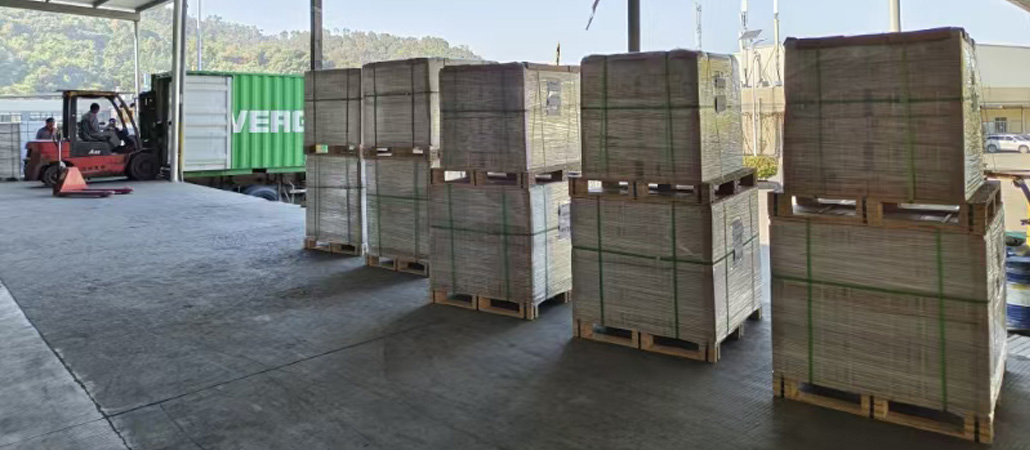
Sla Battery Shipment


1. Document Preparation


Provide the complete set of shipping-related documents, including:

Sea Freight Authorization

Material Safety Data Sheet (MSDS)

Hazard Classification and Identification Report for Goods Transport

Commercial Invoice, Contract, Packing List

Customs Declaration Power of Attorney

Customs Declaration Form

Exit Goods Customs Clearance Form


2. Declaration Information


Ensure accurate declaration details, including: Product name, usage, material brand, model, capacity, whether it contains mercury, rated voltage, volume of the goods.


3. Safety Protection Measures


Short-Circuit Prevention: Batteries must be equipped with short-circuit protection devices.

Tilt Test: Batteries must pass a 45-degree tilt test to ensure electrolyte does not leak.

Packaging and Fixation:

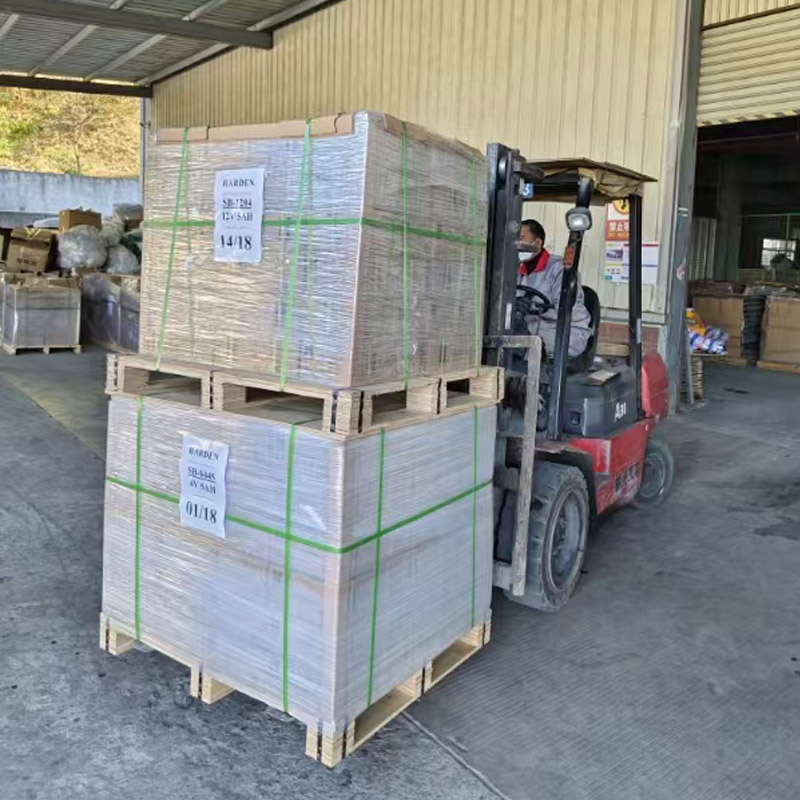
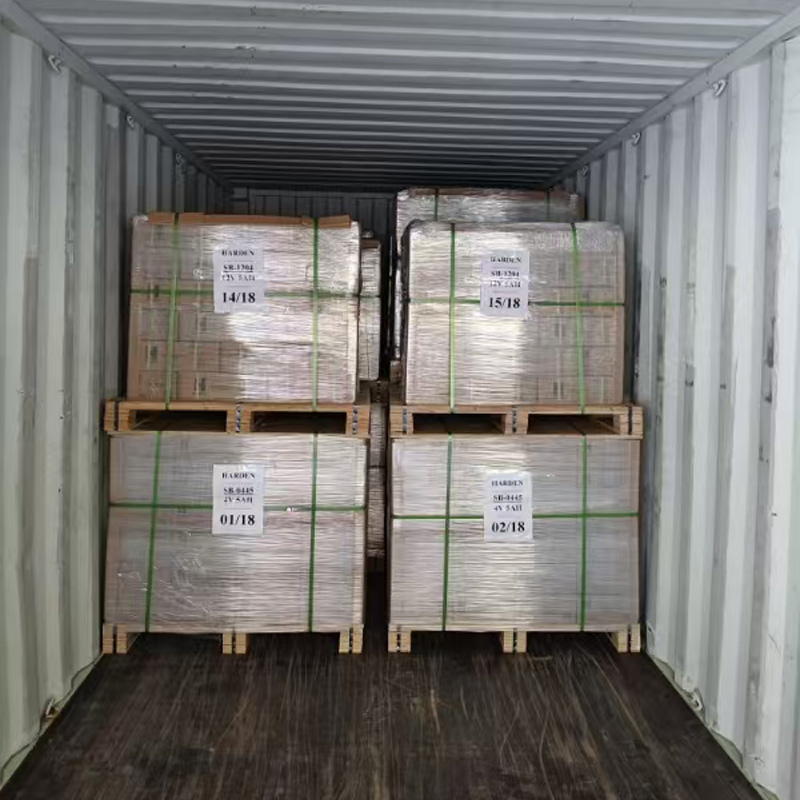
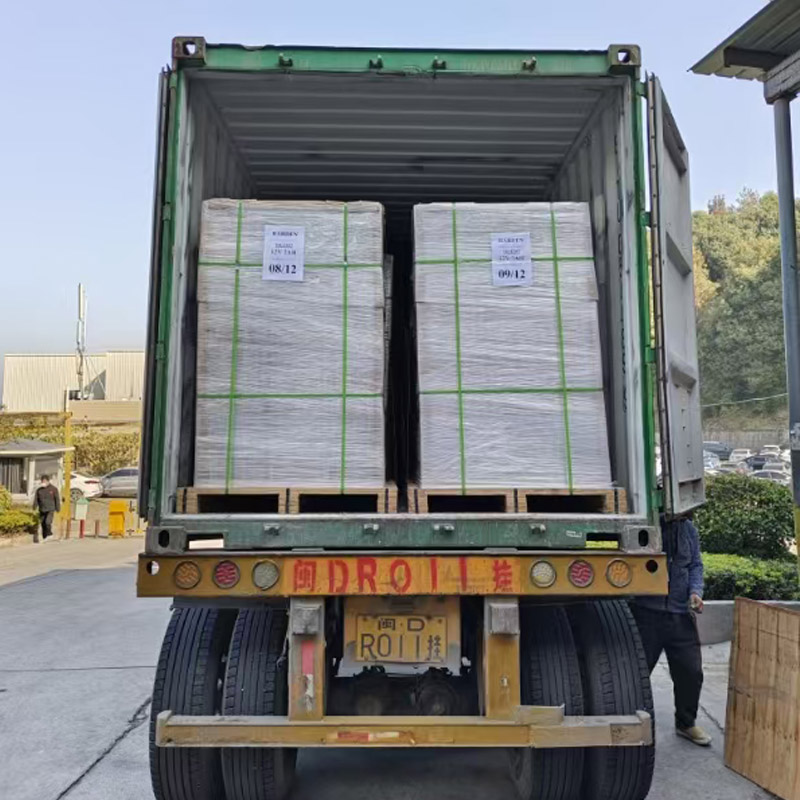
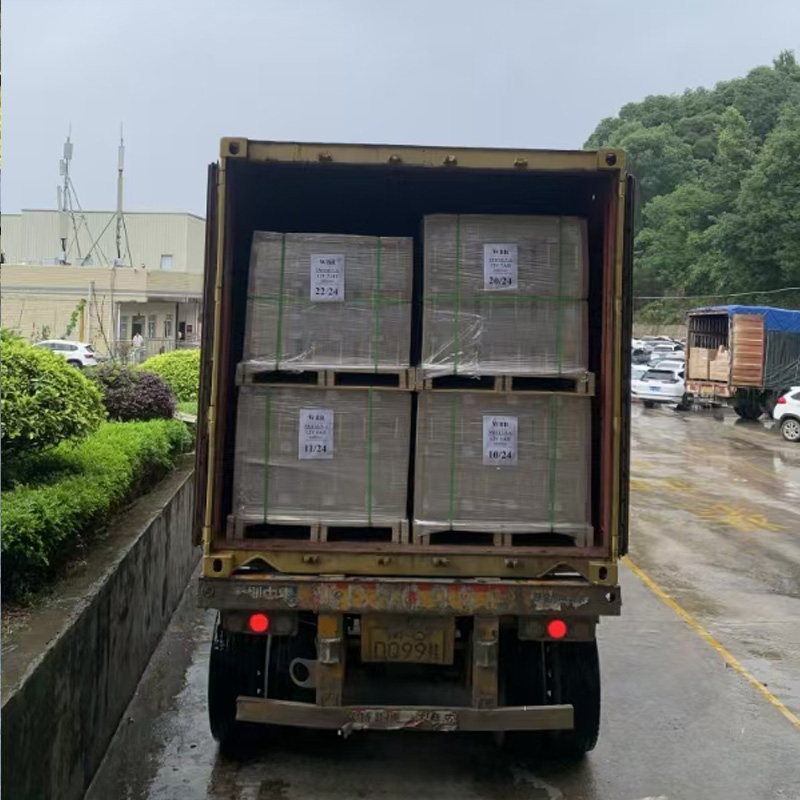
1. Batteries are packed in carton and stacked on pallets, with bumper strips added to all four corners of the pallet.

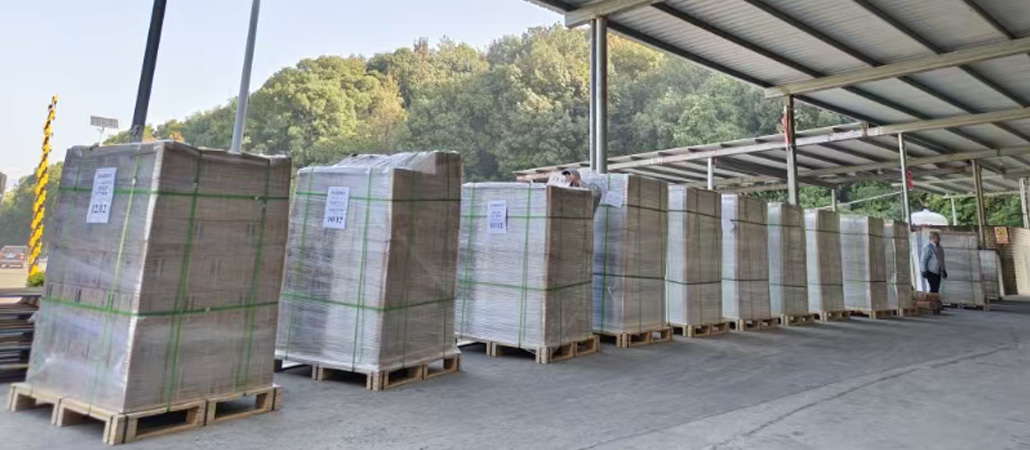
2. After palletizing and securing, wrap the pallets with plastic film to prevent movement or tipping during transit.

3. Maintain a single pallet height of no more than 1.5 meters, with a weight limit of approximately 1.5 tons.

4. If stacking pallets, maintain a single-layer height of no more than 1 meter, with a weight limit of approximately 1 ton, and reinforce the lower pallet with wooden boards to prevent damage from the upper pallet.


Lead Acid Battery Shipping


4. Photo Requirements


Provide the following photos during the loading process: Empty container photo, half-loaded container photo, fully loaded container photo, securing the goods photo, half-closed door photo (showing container number and goods), closed door photo, rear view photo.

  • Kaiying Battery Shipment
     
  • Battery Loading Container
     
  • VRLA Battery Shipment
     
  • Ups Battery Shipment

Adhering to these guidelines ensures the safety and compliance of lead-acid batteries during sea transportation, minimizing risks. Below we shared a clip of a video of how we load the container.