Conquering the Extremes of "Thin" and "Large" Titanium Alloy Seamless Large-Diameter Thin-Wall Pipes

In high-end manufacturing, seamless, large-diameter titanium alloy pipes represent the pinnacle of material and process engineering. However, combining 'large-diameter' (typically ≥Φ300 mm) with 'thin-wall' (wall thickness ≤5 mm, often ≤3 mm) exponentially increases the technical challenges. It's not just about the material; it's a rigorous test of precision manufacturing.


Why is large-diameter, thin-wall so difficult?

Forming dilemma: traditional rolling or extrusion of large-diameter pipes puts immense radial force on the thin walls, causing instability, wrinkling or even tearing.

Uniformity challenge: ensuring millimetre-level consistency in wall thickness across a large cross-section requires highly precise equipment, die design and process control. The slightest deviation creates weak points.

Strength-toughness balance: Thinner walls mean that less material must withstand equal or higher pressures. The core challenge lies in guaranteeing sufficient strength, toughness and fatigue resistance through microstructural control, whilst also achieving weight reduction.


Key Breakthrough Technologies:

'Balanced rigidity and flexibility' forming: This utilises multi-stage, temperature-controlled hot extrusion combined with powerful back-pressure or internal mandrel support, which acts like a 'skeleton' to prevent collapse. This is followed by multi-pass cold rolling/spinning for progressive thinning, enhanced dimensional accuracy and a better surface finish.

NDT's "Eagle Eye": Large-diameter, thin-wall pipes demand zero tolerance for defects. High-precision automated ultrasonic testing (UT) and eddy current testing (ECT) provide full coverage and can detect even the smallest inclusions, micro-cracks or variations in wall thickness, guaranteeing integrity.


Why pursue 'thin' and 'large'?

Ultimate weight reduction: This is crucial for aerospace and deep-sea structures, where saving 1 kg can make a big difference. These pipes can offer up to 40% weight savings compared to conventional solutions, thereby increasing payload and efficiency.

Enhanced flow efficiency: In the chemical and energy sectors, larger diameters enable higher flow rates and throughput, while thinner walls reduce material usage and thermal resistance.


Seamless titanium plate


The manufacturing of seamless titanium alloy large-diameter thin-wall pipes is a symphony of materials science, precision processing and intelligent control. Each successful reduction in wall thickness or increase in diameter represents another leap forward in humanity's extreme manufacturing capabilities. These are not just pipes; they are critical enablers of a lighter, stronger and more efficient future. Emerging technologies such as intelligent shape control and additive-composite integration will continue to push the boundaries of what is possible in terms of "thin" and "large".


NBSM is committed to promoting the development of the titanium product industry and expanding the range of applications for titanium products. As a professional titanium alloy manufacturer, NBSM offers a comprehensive product range, including highly acclaimed titanium plates, titanium rods and titanium tubes. Titanium steel clad plate and nickel steel clad plate have also received positive feedback from the chemical and power plant industries.

5 Common Mistakes to Avoid When Using Self-Leveling Pedestals

Self-leveling pedestals have become a popular choice for raised flooring, rooftop decks, and outdoor tile installations. Their adjustable design and ease of use make them an attractive alternative to traditional methods. However, improper installation or oversight can lead to stability issues, drainage problems, or even premature wear. To help you get the best results, here are five common mistakes to avoid when using self-leveling pedestals.


1. Ignoring Surface Preparation

One of the most critical steps in any pedestal installation is ensuring the base surface is properly prepared. Some installers assume that because pedestals are adjustable, they can compensate for an uneven or unstable subfloor. However, if the ground beneath is soft, sloping, or riddled with debris, the pedestals may settle unevenly over time.


Before installation, always:

  • Clean the surface of dirt, gravel, or loose materials.
  • Check for proper slope (especially for rooftop decks where drainage is crucial).
  • Use a leveling compound if the base has significant irregularities.
  • Skipping this step can lead to shifting tiles, poor drainage, or even structural instability.


2. Overlooking Load Requirements

Not all pedestals are designed for the same weight capacity. A common mistake is assuming that all plastic pedestals can support heavy stone pavers or commercial-grade traffic. Exceeding the recommended load limit can cause pedestals to crack or collapse, especially in freeze-thaw climates.


Always:

  • Check the manufacturer’s weight ratings.
  • Consider dynamic loads (e.g., foot traffic, furniture, snow accumulation).
  • Reinforce high-traffic areas with additional supports if needed.
  • Choosing the right pedestal for your project’s demands ensures long-term durability.


3. Incorrect Pedestal Spacing

Self-leveling pedestals are designed to distribute weight evenly, but placing them too far apart can cause pavers or decking to sag. On the other hand, overcrowding them wastes materials and complicates installation.


A good rule of thumb:

  • For standard pavers (12"x12" or larger), space pedestals 12-16 inches apart.
  • For heavier materials (natural stone, large-format tiles), reduce spacing to 8-12 inches.
  • Always follow the manufacturer’s guidelines for optimal support.
  • Proper spacing prevents flexing and ensures a stable, level surface.


4. Neglecting Expansion Gaps

Outdoor installations are subject to temperature changes, causing materials to expand and contract. If tiles or decking are placed too tightly together, they can buckle or crack under thermal stress.


To avoid this:

  • Leave a 1/8" to 1/4" gap between pavers or tiles.
  • Use spacers during installation for consistent spacing.
  • Ensure perimeter edges have room to expand.
  • This small detail can prevent costly repairs down the line.


5. Skipping a Final Inspection

Once the pedestals and surface material are in place, some installers rush to finish without checking for stability. Over time, minor issues like loose pedestals or uneven tiles can worsen, leading to tripping hazards or water pooling.


Before completing the project:

  • Walk across the entire surface to test for movement.
  • Verify proper drainage by lightly spraying water and observing flow.
  • Re-tighten any loose pedestal adjustments.
  • A thorough final check ensures a safe, long-lasting installation.


Should Acoustic Panels Be Vertical or Horizontal?

When designing an acoustically treated space—whether it’s a home studio, office, theater, or residential interior—acoustic panels play a vital role in controlling sound reflections, echo, and reverberation. One common question we receive is:
“Should acoustic panels be installed vertically or horizontally?”

As a leading Chinese manufacturer and exporter of wooden slat acoustic wall panels, Guangdong Leeyin Acoustics Technology Co., Ltd. is here to guide you through this important design decision with both technical insight and aesthetic consideration.

Top Manufacturer and Wholesaler of Acoustic Wood Slat Panels


🔍 The Short Answer

Both vertical and horizontal installations are effective, but the best orientation depends on:

  • Room size and shape

  • Primary sound reflection points

  • Aesthetic goals

  • Type of space (e.g., home studio vs. living room)

Let’s break it down.


📐 Acoustic Considerations: Vertical vs. Horizontal

Vertical Installation

Best for: Narrow walls, high ceilings, speech clarity

  • Helps absorb reflections at ear level (important in offices, meeting rooms, and studios)

  • Breaks up vertical sound waves traveling from floor to ceiling

  • Enhances room height perception and symmetry

  • Ideal placement behind speakers or workstations

Vertical panels are particularly useful in conference rooms, classrooms, and podcast setups where speech intelligibility matters.

Horizontal Installation

Best for: Large open spaces, low ceilings, home cinemas

  • Helps reduce flutter echoes between long walls

  • Adds a balanced, linear visual effect to wide rooms

  • Ideal for absorbing lateral reflections in home theaters, recording studios, and lounge areas

Horizontal orientation can also emphasize the room’s width, contributing to a more relaxed or modern aesthetic.


🛠️ Functional Tip: Mix Both Orientations

For optimal acoustic performance, a combination of vertical and horizontal panels is often recommended—especially in larger or irregularly shaped rooms.

  • Vertically placed panels can target speech and direct reflections

  • Horizontally placed panels help break up long wall surfaces and tackle mid- to high-frequency reverberation


🪵 Aesthetic Flexibility with Leeyin Panels

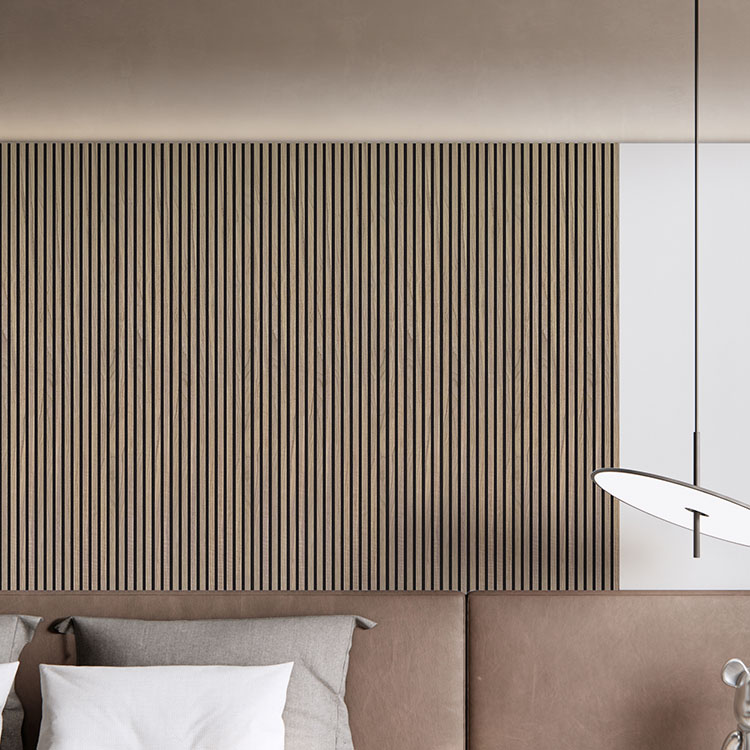
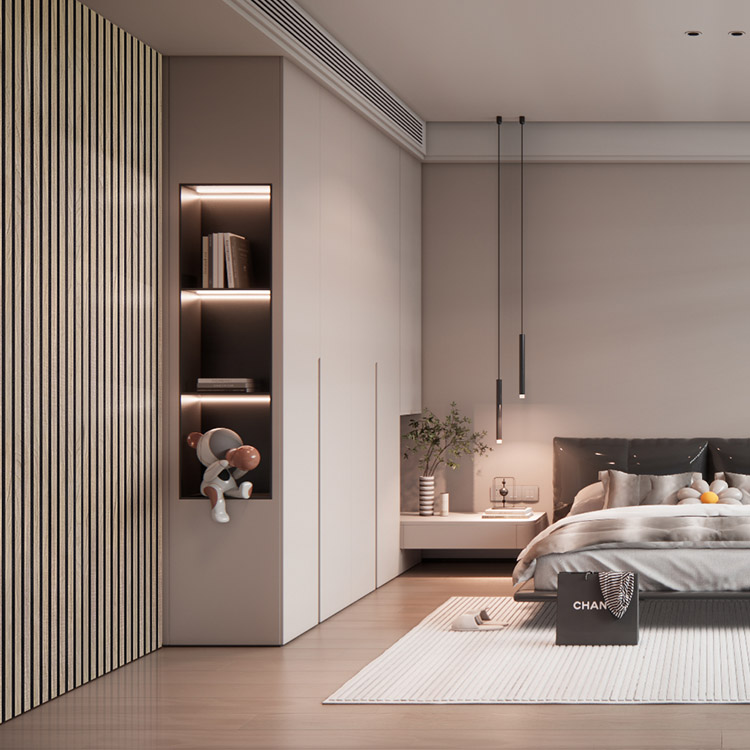
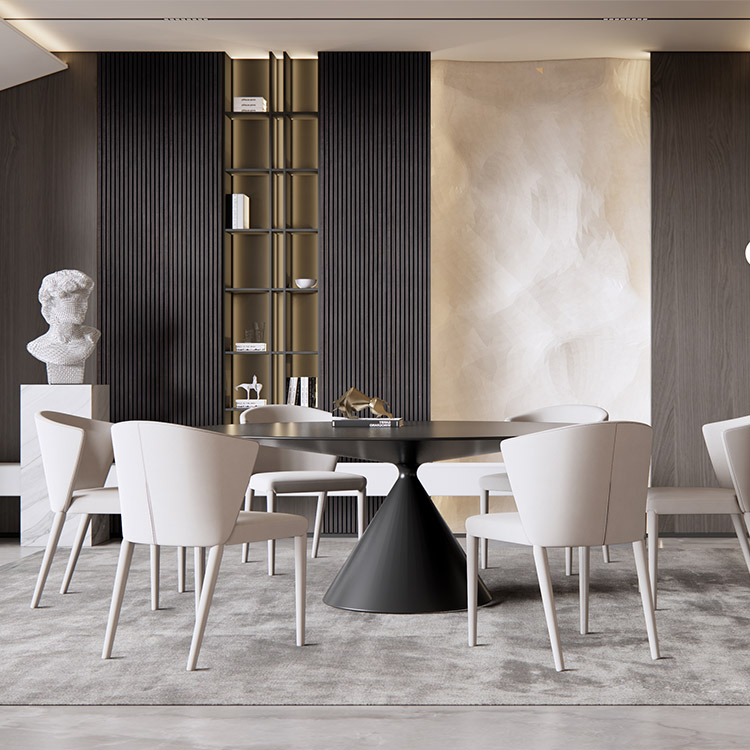
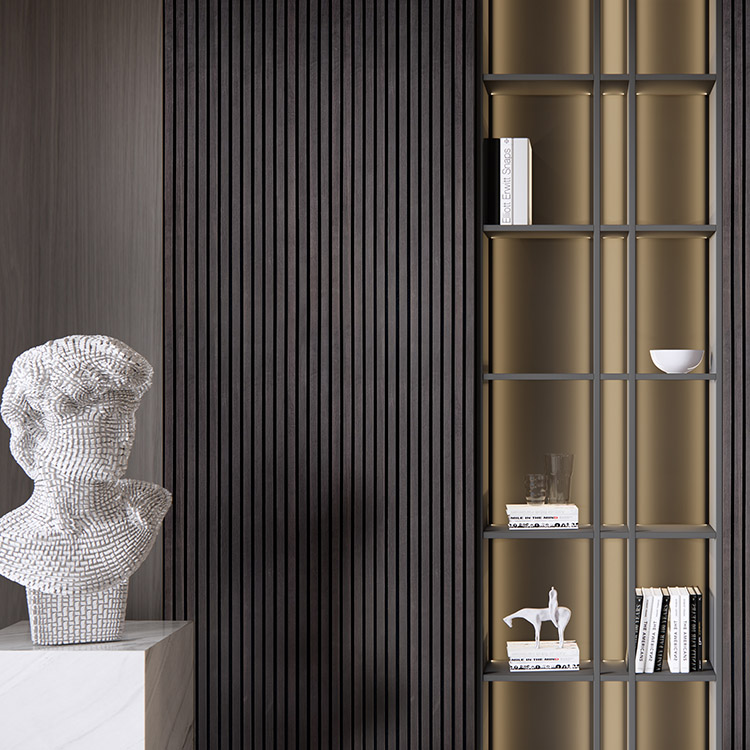
At Liyin Acoustics, our wooden slat acoustic panels are not just acoustically effective—they’re visually stunning. With multiple wood veneers, PET backing colors, and customizable lengths, they can be mounted vertically or horizontally with ease.

Why Our Panels Stand Out:

  • 🌱 Made from FSC-certified wood veneer

  • 🛡️ Manufactured using E0-grade MDF—safe, low formaldehyde

  • 🔥 Fire-resistant and environmentally friendly

  • 🛠️ Easy to cut, install, and maintain

  • 🎨 Compatible with both vertical and horizontal designs


🏭 About Guangdong Leeyin Acoustics

As a pioneer in acoustic wall solutions, Guangdong Liyin Acoustics Technology Co., Ltd. has a:


  • 💼 20,000 m² modern manufacturing facility

  • 🌍 Strong export presence in Europe, North America, and Southeast Asia

  • 🔧 Strict adherence to international quality standards (ISO, FSC, SGS)

  • 💡 Specialized focus on wooden slat acoustic panels for both commercial and residential applications

What is the Life Expectancy of Acoustic Panels?

When investing in acoustic treatments, one of the most common questions we hear is:

"How long do acoustic panels last?"

Whether you're soundproofing a home studio, enhancing a conference room, or designing a peaceful home interior, understanding the durability and longevity of acoustic panels is key to making an informed decision.

Let’s explore the life expectancy of acoustic panels, the factors that affect their lifespan, and why Leeyin Acoustics panels are designed to stand the test of time.

 Customizable Acoustic Wood Slat Panels Supplier


🕒 Typical Lifespan of Acoustic Panels

In general, high-quality acoustic panels can last 10 to 25 years—or even longer—depending on:

  • Materials used

  • Installation environment

  • Exposure to moisture, dust, or direct sunlight

  • How well they are maintained

At Guangdong Liyin Acoustics Technology Co., Ltd., we produce wooden slat acoustic panels that combine natural aesthetics with long-lasting performance. Our panels are built with E0-grade MDF, recyclable PET felt backing, and premium finishes that resist wear and tear.


🪵 Why Leeyin Acoustic Panels Last Longer

Here’s what sets our acoustic panels apart and ensures an extended lifespan:

1. Durable Core Materials

Our panels use high-density E0 MDF, which offers excellent dimensional stability, strength, and low formaldehyde emissions—ensuring safety and structural integrity over time.

2. Eco-Friendly PET Felt

We use recycled PET (polyethylene terephthalate) for the acoustic backing. This material is:

  • Moisture-resistant

  • Mold-resistant

  • Lightweight yet strong

  • Designed to retain its acoustic properties for over a decade

3. Precision Manufacturing

Our panels are produced in our 20,000㎡ state-of-the-art facility, using automated processes and international quality control standards (ISO/FSC certified). This guarantees a consistent and high-end product.

4. UV-Resistant Finishes

The wooden slats are coated with UV-resistant finishes to prevent fading and discoloration over time, even in naturally lit rooms.


🌡️ Environmental Factors That Impact Lifespan

To maximize the life of your acoustic panels, it’s important to consider:

  • Humidity and Moisture: Avoid placing panels in areas with high moisture or poor ventilation.

  • Sunlight Exposure: Prolonged direct sunlight can degrade certain materials.

  • Dust Buildup: Regular light cleaning helps maintain acoustic performance.

  • Installation: Proper mounting ensures the panels remain stable and secure.


🛠️ How to Maintain Your Acoustic Panels

  • Dust regularly with a soft cloth or vacuum with a brush attachment.

  • Avoid harsh cleaners—a damp cloth is usually enough.

  • Check mounting every few years to ensure secure installation.

When well maintained, our panels will deliver reliable acoustic performance and elegant visual appeal for 15–25 years or more.


🏭 Why Choose Guangdong Leeyin Acoustics?

As one of China’s leading manufacturers and exporters of wood slat acoustic wall panels, Guangdong Leeyin Acoustics Technology Co., Ltd. brings together:

20,000㎡ modern production base
Eco-friendly materials that meet E0 and FSC standards
Global export experience across 30+ countries
Strict international quality control
Dedicated R&D and design team for custom solutions

We are committed to delivering acoustic panel solutions that are aesthetically modern, functionally sound, and built to last.

How Many Acoustic Panels Do I Need to Soundproof a Room?

If you're looking to reduce noise in your space, whether for a home office, recording studio, or commercial setting, acoustic panels are an excellent solution. But one of the most common questions we hear is:
“How many acoustic panels do I need to soundproof a room?”

At Guangdong Liyin Acoustics Technology Co., Ltd.( Leeyin ) , we specialize in high-performance wooden slat acoustic panels, and we’re here to help you make the right decision for your acoustic project.

Factory Direct Acoustic Wood Slat Panels


🎯 Understanding the Purpose of Acoustic Panels

Before calculating quantity, it's essential to understand that acoustic panels absorb sound—they don’t completely block it like traditional soundproofing materials. They’re primarily used to:

  • Minimize echo and reverberation

  • Improve sound clarity

  • Reduce noise levels within a room

For full soundproofing, a combination of materials (mass-loaded barriers, insulation, and sealing gaps) may be required. However, strategically placing acoustic panels significantly improves perceived sound quality and reduces noise transmission.


📏 How to Calculate the Right Number of Acoustic Panels

Here’s a basic step-by-step guide:

1. Measure the Room Size

Determine the length × width × height of your room to get the total cubic space.

2. Calculate Wall Surface Area

Focus on the four walls (and ceiling if needed). Remove doors/windows from your calculation.

3. Determine Coverage Percentage

Depending on the purpose, typical coverage recommendations are:

Application Coverage Area Needed
Basic Echo Control 10–20%
Home Office or Meeting Room 20–30%
Recording Studio or Podcast 30–50%
Professional Soundproofing 50–70% or more

4. Standard Panel Size Reference

At Liyin Acoustics, our standard wood slat acoustic panel is typically:

  • Width: 600 mm (23.6")

  • Height: 2400 mm (94.5")

  • Coverage Area per Panel: ~1.44 m²

For example:
If you want to cover 12 m² of wall space, you would need approximately 8–9 panels.


🧠 Expert Tip: Placement Is Just as Important

Rather than covering 100% of the walls, strategic placement helps maximize performance:

  • First reflection points (side walls)

  • Back wall and front wall (behind speakers or workspace)

  • Ceiling if echo is still present


🪵 Why Choose Liyin Acoustic Panels?

As a leading manufacturer and exporter of wood slat acoustic panels in China, Guangdong Liyin Acoustics Technology Co., Ltd. brings professional quality to every project.

🌟 Our Advantages:


  • ✅ 20,000 m² modern factory with precision equipment

  • ✅ PET felt backing for superior sound absorption

  • ✅ Made with E0-grade MDF and FSC-certified wood veneer

  • ✅ Fire-rated and low formaldehyde emissions

  • ✅ OEM/ODM customization for size, color, and finish

  • ✅ Global export reach to Europe, North America, and Southeast Asia

Should Acoustic Panels Be on Walls or Ceilings?

When it comes to improving sound quality in a room—whether it’s an office, studio, home theater, or commercial space—acoustic panels are an essential solution. But one of the most common questions we hear is:
“Should acoustic panels go on the walls or the ceiling?”

The short answer? Both can be effective depending on your acoustic goals. In this blog post, we’ll explore the differences, benefits, and ideal placements of acoustic panels—especially our signature wood slat acoustic panels from Guangdong Liyin Acoustics Technology Co., Ltd.

Leading Distributor of Acoustic Wood Slat Panels


✅ Wall-Mounted Acoustic Panels

📌 Why Install Acoustic Panels on Walls?

  • Primary reflection points: Walls are often the first surfaces where sound waves bounce, creating echoes and muddying audio clarity.

  • Improved speech intelligibility: Reducing side wall reflections makes spoken words more crisp and clear—essential in offices and meeting rooms.

  • Ideal for small to medium-sized rooms: Most sound reflections occur horizontally in typical spaces.

✔ Best Placement on Walls:

  • At ear level in seating positions

  • Behind or beside speakers

  • On opposite walls for balanced absorption


✅ Ceiling-Mounted Acoustic Panels

📌 Why Install Acoustic Panels on Ceilings?

  • Tackling vertical reflections: Ceilings reflect sound waves just like walls, especially in large rooms with high ceilings.

  • Open spaces benefit most: Conference rooms, restaurants, and atriums often require overhead absorption to reduce ambient noise.

  • Better low-frequency control: Hanging baffles or ceiling clouds can improve low-end absorption and reduce flutter echo.

✔ Best Ceiling Applications:

  • Above central seating areas

  • Suspended panels (clouds) for visual effect + sound control

  • In open-plan offices or multi-functional public spaces


🪵 Why Choose Liyin’s Wood Slat Acoustic Panels?

At Guangdong Liyin Acoustics Technology Co., Ltd.( Leeyin ) , we design and manufacture premium wood slat acoustic panels with PET backing—ideal for both wall and ceiling installations.

💼 Our Core Advantages:

  • 🔧 Versatile Application – Easily mounted on walls or ceilings with screws, glue, or mounting rails

  • 🌿 Eco-Friendly Materials – Made with PET felt, E0 MDF, and FSC-certified wood veneer

  • 🔥 Fire-Rated & Formaldehyde-Free – Meets international safety standards

  • 🏢 20,000 m² Production Facility – Backed by modern equipment and efficient logistics

  • 🌍 Global B2B Supplier – Exported to Europe, North America, Southeast Asia, and more

  • 🛠️ OEM/ODM Services – Custom sizes, colors, and finishes for your project needs

Whether you're treating a recording studio wall or creating a stylish sound-absorbing ceiling feature in a hotel lobby, our acoustic panels are engineered for aesthetics and performance.


🎯 Final Takeaway: Walls, Ceilings… or Both?

The best acoustic treatment strategy considers both surfaces. Start with walls for first reflections, then consider ceilings for additional control—especially in large or open rooms.


Liyin Acoustics panels are engineered to perform beautifully on either surface, allowing you to create an environment that both sounds and looks exceptional.


Is an IP67 LED Work Light Explosion Proof? What You Need to Know

When working in hazardous environments—such as oil refineries, mining sites, or chemical plants—lighting isn’t just about visibility; it’s about safety. A common question that arises is: “Is an IP67 LED Work Light explosion proof?” While IP67-rated lights are highly durable and water-resistant, it's essential to understand what "explosion proof" truly means before making safety-critical decisions.


Understanding IP67 and Explosion Proof Standards

An IP67 LED Work Light is designed to withstand dust intrusion and water immersion up to 1 meter for 30 minutes. This makes it ideal for outdoor use, wet environments, and heavy-duty applications. However, IP67 alone does not mean the light is explosion proof.


Explosion proof lighting must comply with rigorous safety standards such as ATEX or UL844. These lights are engineered to contain sparks or flames within the housing, preventing ignition of flammable gases or dust in explosive zones. While an IP67 explosionproof LED Work Light combines both water/dust protection and explosion containment features, not all IP67-rated lights are certified for explosive atmospheres.


Choosing the Right LED Work Light for Hazardous Areas

If you're operating in a high-risk environment, always check for proper explosion-proof certification in addition to IP ratings. Some manufacturers design dual-rated products that serve both purposes, providing waterproof performance and certified explosion safety. A standard LED Work Light may offer high brightness and durability but could fail safety requirements in zones classified as hazardous.


Why Choose Otennlux LED Work Light?

When safety and performance matter, Otennlux LED Work Light products are built to meet industry demands. Otennlux offers a wide range of rugged lighting solutions, including IP67 explosionproof LED Work Light options that are engineered for durability, reliability, and compliance with international safety standards.

Otennlux LED Work Light

Beyond product quality, Otennlux stands out for its commitment to customer satisfaction, fast lead times, and technical support. With years of experience in industrial and commercial lighting, Otennlux delivers reliable lighting solutions for even the most demanding environments.


For durable, safe, and performance-driven lighting—trust Otennlux. Illuminate your workspace with confidence.

Can You Have Too Much Acoustic Panels?

In the world of interior design and acoustic optimization, acoustic panels play a critical role in improving sound quality and reducing echo. But can you overdo it? The short answer is yes—and here’s why balance is the key.

At Guangdong Liyin Acoustics Technology Co., Ltd. ( Leeyin , we are proud to be a leading manufacturer and exporter of wood slat acoustic panels in China. With decades of experience and a 20,000㎡ advanced facility, we help clients worldwide find the right acoustic solutions—not just more of them.

Wholesale High-Quality Acoustic Wood Slat Panels


🎧 What Do Acoustic Panels Do?

Acoustic panels absorb sound waves to reduce noise, echo, and reverberation. They are ideal for:

  • Home theaters

  • Offices

  • Studios

  • Conference rooms

  • Bedrooms

Panels like our E0 MDF + PET felt wooden slat acoustic panels are designed to combine visual appeal with powerful acoustic performance.


🤔 Is There Such a Thing as “Too Much”?

Yes. Too many acoustic panels can lead to an unnatural, overly “dead” room where sound becomes flat and lifeless. This is especially true in:

  • Studios where natural reverberation is needed

  • Living spaces where sound dynamics should feel natural

  • Rooms with limited volume, where too much absorption can dull conversation and music


⚖️ Striking the Right Balance

When planning an acoustic treatment, consider these principles:

1. Coverage Ratio

A general recommendation is to cover 15–30% of the room’s surface area with acoustic panels. This can vary depending on the use case (e.g., recording studio vs. living room).

2. Panel Placement

More important than quantity is placement. Focus on:

  • First reflection points

  • Rear walls

  • Ceiling above listening areas

  • Corners for bass traps

Liyin’s PET-backed acoustic panels offer flexibility in installation—glue, screw, or mounting systems—so you can place them exactly where needed.

3. Room Purpose

Ask yourself: Are you aiming to reduce echo or completely deaden the space? The goal should dictate how many panels you actually need.


🌿 Liyin Acoustics: Acoustic Performance Meets Elegance

At Guangdong Liyin Acoustics Technology Co., Ltd., we specialize in crafting wood slat acoustic panels that do more than absorb sound—they add modern elegance to any interior.

Our panels are:
✅ Made with E0-grade MDF and eco-friendly recyclable PET felt
✅ Compliant with FSC standards
✅ Customizable with OEM/ODM services
✅ Exported to Europe, North America, Southeast Asia, and more
✅ Backed by strict international quality management systems


Whether you're looking to upgrade a music studio or create a serene office space, our panels deliver both function and style.

How Far Off the Wall Should Acoustic Panels Be?

When it comes to optimizing sound quality in a space—whether a studio, office, or home—the installation of acoustic panels is a smart investment. But one often overlooked factor is panel spacing from the wall. So, how far off the wall should acoustic panels be to maximize performance?

At Guangdong Liyin Acoustics Technology Co., Ltd. ( Leeyin , we specialize in producing high-performance wood slat acoustic panels with PET felt backing. As a leading exporter in China with a 20,000㎡ modern facility, we combine craftsmanship and science to help clients around the world enhance their acoustic environments.

Leading Acoustic Wood Slat Panel Manufacturer


🎧 Why Panel Spacing Matters

Most people assume acoustic panels should be mounted flat against the wall. While that’s common, leaving a small air gap behind the panel can significantly improve low-frequency absorption. This method is often used in professional sound treatment applications.


📏 Ideal Spacing: The Magic Number

In general, 2 to 4 inches (5–10 cm) of space behind the panel is ideal. This added distance:

  • Enhances bass absorption

  • Improves overall sound dampening

  • Increases absorption without additional material

💡 Pro Tip: A 2-inch panel with a 2-inch air gap performs nearly as well as a 4-inch panel flat-mounted.


🛠️ How to Mount Panels with a Gap

Here are three popular methods to mount wood slat acoustic panels with air space:

  1. Wooden Furring Strips: Use wood strips to create a frame behind the panel.

  2. Wall Spacers: Install metal or plastic standoffs to keep the panel off the wall.

  3. French Cleat System: Great for adjustable mounting with gap control.

Our Liyin panels are engineered to be easy to install with all three methods—gluing, screwing, or using brackets.


🪵 Why Choose Liyin Acoustic Panels?

Our E0-grade MDF + PET felt wood slat acoustic panels combine beauty and functionality.

✅ Scientifically engineered for acoustic performance
✅ Manufactured using eco-friendly, recyclable PET felt
✅ Meets E0 formaldehyde standards
✅ Certified with FSC-compliant materials
✅ Ideal for walls and ceilings
✅ Customizable sizes and finishes
✅ Exported globally to Europe, North America, and Southeast Asia


🧠 Final Thought: Wall Gap = Smart Sound


Spacing acoustic panels 2–4 inches from the wall enhances their sound-absorbing capabilities, especially for lower frequencies. If you want great acoustics without compromising on style, our wooden slat acoustic panels offer the perfect solution.

How to 100% Soundproof a Room A Complete Guide

Soundproofing a room completely—blocking all unwanted noise from entering or escaping—is a significant challenge. While achieving absolute 100% soundproofing requires extensive construction-level adjustments, you can get impressively close with the right materials, techniques, and product choices.

At Guangdong Liyin Acoustics Technology Co., Ltd. ( Leeyin , we specialize in wood slat acoustic panels and deliver effective sound solutions to clients worldwide. In this guide, we’ll walk you through how to soundproof a room as completely as possible, whether for a studio, office, or private space.

Premium Acoustic Wood Slat Panels Manufacturer


🔍 Understanding True Soundproofing

Soundproofing is different from sound absorption. Soundproofing blocks sound, while acoustic treatment improves sound quality inside the room.

To soundproof a room, you must address all sound pathways:

  • Airborne sound (voices, music)

  • Impact sound (footsteps, vibrations)

  • Structural transmission (through walls, floors, ceilings)


✅ 1. Seal All Air Gaps

Even the smallest gaps let sound leak in or out. Start by sealing:

  • Door frames: Use door sweeps and rubber seals

  • Window edges: Apply acoustic caulk or double-glazed windows

  • Outlets and vents: Cover with soundproofing gaskets or acoustic putty pads

🔧 Use acoustic caulk to seal all perimeter gaps for added noise isolation.


✅ 2. Upgrade Your Walls

Typical drywall transmits sound easily. To soundproof walls:

  • Add mass: Use mass loaded vinyl (MLV) or multiple layers of drywall with Green Glue (a damping compound)

  • Use decoupling techniques: Install resilient channels or staggered studs

  • Install high-density acoustic panels, like our PET-backed wood slat acoustic panels for added absorption and diffusion

👉 Liyin Acoustics' slat wall panels not only enhance aesthetics but contribute to a multi-layered acoustic barrier.


✅ 3. Reinforce Doors & Windows

Standard doors and windows are weak spots.

  • Replace hollow-core doors with solid-core doors

  • Install double or triple-glazed windows

  • Use soundproof curtains or acoustic window inserts


✅ 4. Soundproof the Ceiling

To prevent noise from above:

  • Add acoustic insulation between ceiling joists

  • Use acoustic ceiling panels or suspended ceiling systems

  • Install wooden acoustic ceiling panels from Liyin Acoustics for both style and performance


✅ 5. Treat the Floors

To block footstep noise and vibration:

  • Lay carpet with dense underlay

  • Use soundproofing mats or cork/rubber flooring

  • Seal baseboards with acoustic sealant


✅ 6. Add Absorption Materials

To control echo and improve internal acoustics:

  • Install Liyin’s wood slat acoustic panels

  • Use fabric acoustic panels, bass traps, or corner diffusers

  • Add acoustic foam in key reflection points


🌿 Why Choose Liyin Acoustics?

Guangdong Liyin Acoustics Technology Co., Ltd. is a global leader in manufacturing high-quality wood slat acoustic panels for soundproofing and acoustic treatment.
Here’s why businesses around the world trust us:

✅ Over 20,000㎡ modern production facility
✅ Specializing in E0 MDF + PET felt wall panels
FSC-certified, recyclable, and sustainable materials
OEM/ODM customization available
✅ Strict international quality management
✅ Exporting to Europe, North America, Southeast Asia, and beyond


Our PET-backed wood panels offer excellent sound absorption, enhance visual appeal, and support eco-friendly construction.